 Widya pasha
Fashion accessories have always played a pivotal role in personal style and cultural expression. From ancient civilizations where they served practical purposes to modern times where they are seen as essential elements of aesthetic appeal, these items have evolved significantly. As we delve into the world of fashion accessories, we’ll explore their rich history, their impact on individual identity, and how they continue to adapt to changing trends and technologies.
By understanding the journey of fashion accessories, we can appreciate their significance beyond mere decoration. These pieces allow individuals to communicate their personality, adapt to seasonal trends, and even embrace sustainable practices. Whether it’s a striking piece of jewelry or an innovative smart accessory, the choices we make in accessories reflect our values and creativity.
The Evolution of Fashion Accessories Throughout History
Fashion accessories have played a crucial role in human civilization, reflecting not just personal style but also cultural values and societal norms. From simple adornments to elaborate pieces of art, accessories have evolved significantly over centuries. They serve as markers of identity, status, and even power, showcasing the evolution of fashion in relation to historical contexts and technological advancements.
The origins of fashion accessories can be traced back to ancient civilizations where they often had functional purposes. Items such as belts, brooches, and necklaces were used not only for decoration but also to signify rank or profession. Over time, the shift from utilitarian to purely aesthetic has redefined the role of fashion accessories in society.
Historical Milestones in Fashion Accessories
Understanding the key moments in the history of fashion accessories helps to illustrate their evolution. Here are some pivotal milestones that shaped their development:
- Ancient Civilizations: In Egypt, jewelry made of gold and precious stones signified wealth and divine favor. Similarly, the Romans used brooches not only for fastening garments but also as symbols of status.
- Middle Ages: Accessories became more intricate, with the introduction of elaborate headdresses and jewelry that depicted social class. The use of fabrics and embellishments in clothing complemented these items.
- Renaissance Era: The rise of individualism led to a flourishing of personal style. Accessories like gloves, hats, and elaborate jewelry became expressions of artistic identity.
- 19th Century: The Industrial Revolution made access to fashion accessories more widespread. Mass production allowed for variety, while fashion houses began establishing trends with their signature styles.
- 20th Century: Accessories took on a new role with the advent of celebrities and mass media. Iconic pieces, such as Audrey Hepburn’s pearls or Jackie Kennedy’s sunglasses, became fashion statements, influencing public tastes.
- Contemporary Era: Today, fashion accessories are often used as tools for self-expression. The rise of social media has further accelerated trends, allowing for rapid dissemination of styles and ideas across the globe.
“Fashion accessories are not just adornments; they are reflections of the evolution of culture and identity through time.”
The journey of fashion accessories from practicality to ornamental art underscores their significant role in shaping personal and collective identities throughout history. Through the ages, these items have continuously adapted, reflecting changes in society, technology, and aesthetic values.
The Role of Fashion Accessories in Personal Style Expression
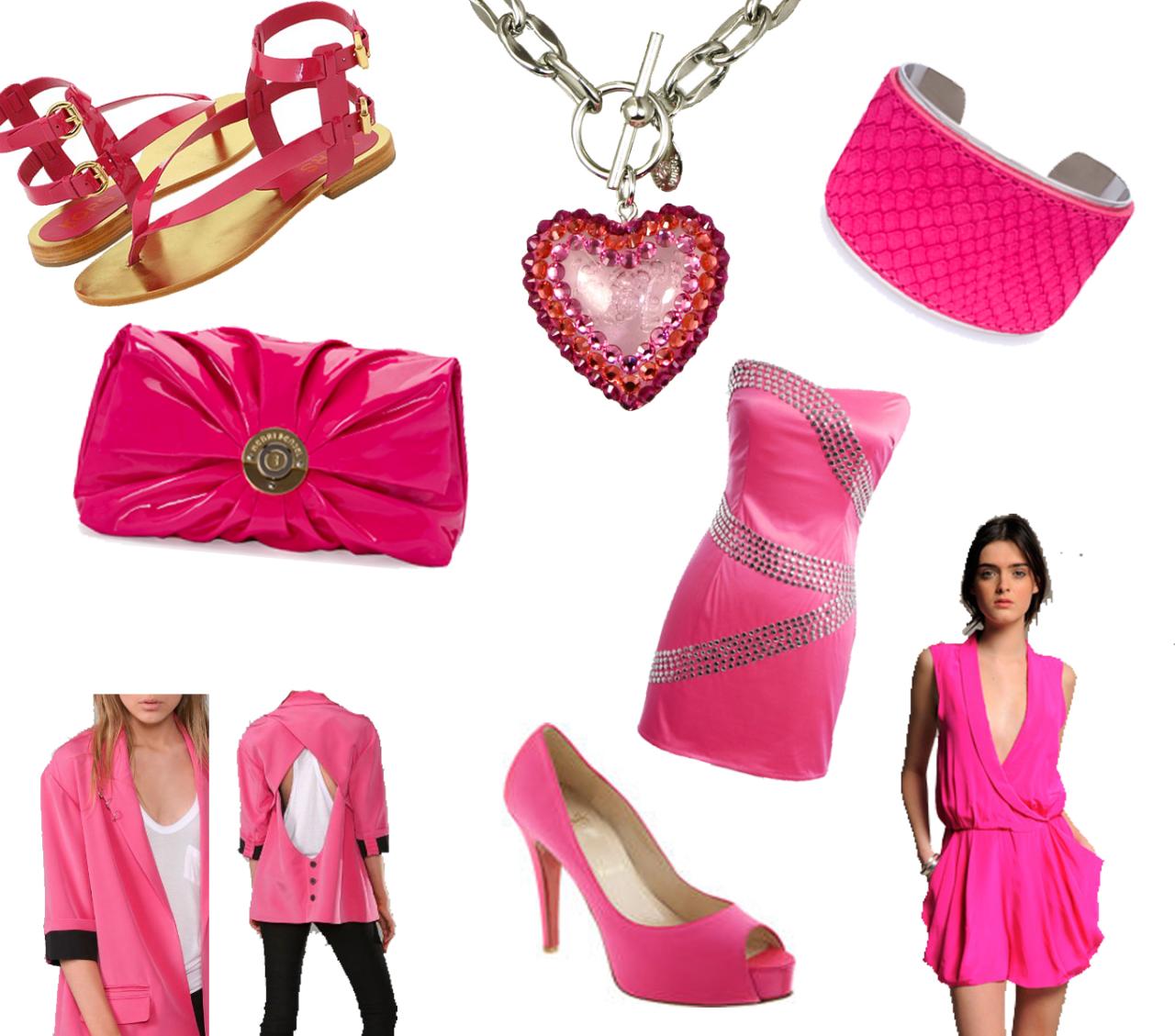
Fashion accessories play a pivotal role in shaping and showcasing personal style. They are the finishing touches that can elevate an outfit from ordinary to extraordinary, allowing individuals to express their unique identities and preferences. Accessories can convey emotions, cultural backgrounds, and social messages, making them powerful tools in personal branding.
Accessories have the remarkable ability to transform an outfit and enhance personal identity. A simple white tee and jeans can become a fashion statement with the right accessories. For instance, a vibrant statement necklace can infuse color and personality into a basic outfit, while a chic belt can cinch the waist, creating a flattering silhouette. Additionally, accessories such as hats, bags, and shoes can reflect not only personal taste but also the wearer’s mood and lifestyle.
Examples of Accessories Conveying Social Messages
Different accessories can convey various social messages based on cultural significance, trends, and personal beliefs. Understanding their implications can help individuals choose accessories that align with their personal style while also conveying the desired message.
– Jewelry: Wearing specific types of jewelry, like peace signs or religious symbols, can indicate one’s values or affiliations. For example, a simple silver cross necklace may express Christian faith, while a beaded bracelet from a fair-trade source can signify support for ethical consumerism.
– Bags: The choice of a handbag can reflect social status or lifestyle. Designer bags often indicate luxury and exclusivity, while eco-friendly totes might suggest a commitment to sustainability.
– Footwear: The type of shoes worn can also send messages. Sneakers might symbolize a casual, laid-back attitude, whereas high heels can project professionalism or sophistication.
– Hats: Different styles of hats can signify various cultural backgrounds or social groups. A fedora might convey a vintage aesthetic, while a baseball cap could represent a more sporty, casual vibe.
Choosing accessories that align with personal style involves a thoughtful approach. Individuals can begin by assessing their preferences and values, considering factors such as lifestyle, occasion, and the message they wish to convey. Here are some strategies for selecting accessories:
– Identify Personal Style: Determine whether your style leans more towards classic, bohemian, modern, or eclectic. This will guide accessory choices.
– Consider Color Palette: Select accessories that complement or contrast with your wardrobe colors to create a cohesive look. For example, pairing earthy-toned accessories with neutral outfits can add warmth and depth.
– Mix and Match: Don’t be afraid to mix different styles or textures. Layering various accessories, like rings or bracelets, can add a personalized touch and showcase creativity.
– Understand Trends vs. Timelessness: While trendy pieces can be fun, investing in timeless accessories ensures longevity in your wardrobe. Classic items like a little black dress or a statement watch can be styled in multiple ways over time.
In summary, fashion accessories are more than mere add-ons; they are essential elements that articulate personal style and identity. Whether through subtlety or bold statements, the right accessories can enhance an outfit and convey meaningful social messages.
The Impact of Seasonal Trends on Fashion Accessories
Seasonal changes play a significant role in the fashion accessories industry, influencing consumer choices and trends. As the weather shifts, so do preferences for colors, materials, and styles, leading to the cyclical rise and fall of various accessory items. Understanding these dynamics is crucial for designers, retailers, and fashion enthusiasts alike, as they navigate the ever-evolving landscape of seasonal fashion.
The selection of accessories goes beyond mere aesthetics; it involves a nuanced understanding of color, texture, and material that resonate with the moods and needs of each season. For instance, warmer months often herald the arrival of lightweight materials and vibrant colors, while colder seasons encourage the use of heavier fabrics and earthier tones. This interplay of elements contributes to a cohesive look that complements the overall seasonal wardrobe.
Seasonal Accessory Trends in Recent Years
Fashion accessory trends have shown fascinating shifts across the seasons in recent years. Here’s a closer look at how different seasons have influenced popular accessory choices:
- Spring: The arrival of spring brings a burst of life, where floral motifs reign supreme. Accessories such as oversized sunglasses, delicate scarves, and pastel-colored handbags become staples. Designers often experiment with floral patterns and light fabrics, inviting a fresh vibe.
- Summer: Summer accessories are heavily influenced by beach culture. Items like wide-brimmed hats, colorful flip-flops, and statement jewelry featuring seashells or bright colors are in vogue. The focus is on breathable materials, with woven bags and lightweight jewelry gaining popularity.
- Autumn: As temperatures drop, the trend shifts to richer colors and textures. Leather handbags, chunky knit scarves, and statement belts become must-have items. The layering of accessories plays a crucial role, allowing individuals to express their style while adjusting to the cooler weather.
- Winter: Winter fashion accessories emphasize warmth and comfort. Items like cozy beanies, thick mittens, and stylish boots are essential. Additionally, the use of luxurious materials such as fur and wool, along with a palette of deep hues, define winter accessories. The trend leans towards functional yet stylish pieces that withstand the elements.
The importance of color, texture, and material selection is paramount in accessory design, as they directly impact the wearer’s experience and overall ensemble. For example, using lightweight fabrics in summer accessories not only enhances comfort but also aligns with the season’s airy aesthetic.
The integration of seasonal trends in fashion accessories bridges the gap between functional needs and stylistic expression, allowing individuals to showcase their personalities through their choices.
In summary, the impact of seasonal trends on fashion accessories is evident in the evolving styles and preferences that emerge throughout the year. By understanding these trends, fashion enthusiasts can make informed decisions that empower their unique expressions while remaining in tune with the seasonal landscapes of fashion.
Sustainable Fashion Accessories and Their Growing Importance
The fashion industry is undergoing a significant transformation as sustainability takes center stage. With increasing awareness about environmental issues, consumers are becoming more conscious of their purchases, especially when it comes to accessories. Sustainable fashion accessories not only cater to this growing demand but also reflect a commitment to ethical practices.
The rise of eco-friendly materials in fashion accessories has gained momentum, driven by innovative alternatives to traditional materials. These include organic cotton, recycled plastics, and vegan leathers, which offer numerous benefits over conventional options. Eco-friendly materials tend to reduce waste and carbon footprints while promoting a healthier planet. By choosing sustainable options, consumers can make a positive impact without compromising on style or quality.
Brands Prioritizing Sustainability in Accessories
Many brands are stepping up to the plate by incorporating sustainable practices into their accessory lines, showcasing that fashion can be both stylish and responsible. Here are some notable examples:
- Stella McCartney: Recognized for her commitment to cruelty-free fashion, McCartney uses organic cotton and recycled materials in her accessories, proving that luxury can align with sustainability.
- Matt & Nat: This brand specializes in vegan handbags and backpacks made from recycled materials, embodying the philosophy that stylish accessories can also be ethical.
- Reformation: Known for its eco-conscious approach, Reformation offers trendy accessories crafted from sustainable materials, emphasizing transparency in sourcing and production.
- Allbirds: Although primarily known for footwear, Allbirds has ventured into accessories using renewable materials like eucalyptus tree fibers, focusing on minimizing environmental impact.
The consumer demand for ethical fashion choices in accessories has surged, with many shoppers actively seeking brands that align with their values. This shift indicates a broader trend where consumers prioritize quality and sustainability over fast fashion. The desire for transparency in sourcing and production methods has led brands to communicate their sustainability efforts more effectively.
“Every small change we make can have a significant impact on our planet.”
This growing trend is not just a passing phase; it’s reshaping the landscape of fashion accessories, encouraging brands to innovate and consumers to embrace a more sustainable lifestyle. With every purchase, individuals are empowered to contribute to a more sustainable industry, making mindful choices that reflect their values.
The Intersection of Technology and Fashion Accessories
The world of fashion accessories is undergoing a remarkable transformation as technology integrates more deeply into the realm of style and personalization. This fusion of fashion and technology is not only enhancing the functionality of accessories but also altering the way we perceive and utilize them. Smart accessories are emerging as a prominent trend, offering a plethora of features that cater to the modern consumer’s needs for connectivity, convenience, and style.
The advent of smart accessories, such as smartwatches, augmented reality glasses, and fitness trackers, has introduced innovative functionalities that go beyond traditional decorative roles. These items are now capable of tracking health metrics, providing notifications, and even facilitating transactions, all while maintaining an aesthetic appeal. This evolution presents new opportunities for designers to create products that are both visually appealing and highly functional, enabling users to integrate technology seamlessly into their daily lives.
Emergence of Smart Accessories
The rise of smart accessories has brought forth a new era in fashion, where technological advancements meet creative design. Notable examples include:
- Smartwatches: These multifunctional devices offer features like heart rate monitoring, GPS tracking, and customizable watch faces, merging technology with traditional watch design.
- Smart Jewelry: Items like rings and bracelets can now track fitness goals or even provide alerts through vibrations, blending seamlessly with everyday wear.
- Augmented Reality Glasses: These glasses provide users with interactive experiences and information overlays without compromising on style, making them a fashionable accessory for tech enthusiasts.
As technology reshapes the design and usability of traditional accessories, it also brings forth challenges and opportunities. Balancing aesthetics with functionality remains a key consideration for designers. The challenge lies in creating products that not only perform well but also maintain the essence of fashion. Moreover, there are concerns regarding privacy and data security, especially as more accessories become connected to the internet.
Challenges and Opportunities in Merging Technology with Fashion Accessories
Integrating technology into fashion accessories presents both hurdles and potential benefits. The challenges include:
- Design Constraints: Ensuring that technology does not compromise the visual appeal of accessories can be difficult, as bulky components may detract from style.
- Consumer Acceptance: Many consumers may be hesitant to adopt smart accessories due to concerns about functionality or the perceived complexity of use.
- Privacy Issues: As accessories collect personal data, questions around user privacy and data security become increasingly significant.
Conversely, the opportunities are abundant:
- Innovation in Design: The incorporation of technology encourages designers to think outside the box, creating innovative and unique styles that appeal to tech-savvy consumers.
- Market Expansion: The growing trend towards wearable technology opens new markets and demographics, particularly among younger consumers who value both style and functionality.
- Enhanced User Experience: By providing added functionalities, such as health tracking and connectivity, smart accessories enhance the overall user experience, making everyday life more convenient.
The integration of technology into fashion accessories is setting the stage for a future where style and practicality coalesce, catering to a generation that values both. As the industry continues to evolve, the interplay between fashion and technology will likely lead to even more innovative solutions that embody both beauty and function.
The Influence of Celebrity Culture on Fashion Accessory Trends
Celebrity culture significantly shapes public perception and the popularity of various fashion accessories. Celebrities, with their vast influence and reach, often serve as trendsetters, inspiring fans and the general public through their unique styles. As individuals aspire to embody the looks of their favorite stars, accessories often become key elements in emulating these sought-after appearances.
The impact of celebrities on accessory trends can be seen through their red carpet appearances, casual outings, and social media posts. When a celebrity is spotted wearing a specific accessory, it often garners immense attention, leading to increased demand and market popularity. This phenomenon is amplified by social media platforms, where influencers and celebrities share their fashion choices with millions of followers, creating a ripple effect that can instantly elevate the status of certain accessories.
Celebrity Fashion Statements and Their Impact
Several iconic fashion moments involving accessories have left lasting impressions, showcasing the influence of celebrity culture. Below are notable examples that illustrate how specific accessories have taken center stage due to celebrity endorsements:
- Lady Gaga’s Statement Masks: Lady Gaga famously wore a unique mask during her performance at the 2020 MTV Video Music Awards, which sparked a trend for bold, creative face coverings that blended fashion with functionality, particularly during the pandemic.
- Rihanna’s Fenty Accessories: Rihanna has consistently made waves with her brand, Fenty, particularly with her line of bold and colorful accessories. Her vibrant sunglasses and statement jewelry have set trends for bold self-expression in fashion accessories.
- Kendall Jenner’s Layered Necklaces: Kendall Jenner has been seen sporting multiple layered necklaces, a trend that has become increasingly popular among young fashion enthusiasts seeking to create a personalized and eclectic look.
- Harry Styles’ Gender-Fluid Accessories: Harry Styles has pushed the boundaries of traditional fashion with his use of pearl necklaces and flamboyant rings, encouraging a more gender-fluid approach to fashion accessories that resonates with a diverse audience.
The rise of social media platforms, particularly Instagram and TikTok, has played a pivotal role in amplifying these trends. Celebrities and influencers share their fashion choices in real-time, which not only highlights new accessories but also allows fans to purchase similar items instantly through tagged links. This immediacy creates a direct line between celebrity style and consumer behavior, fostering a culture where accessory trends can emerge and evolve rapidly.
“What celebrities wear can lead to immediate and profound changes in fashion trends, particularly in the realm of accessories.”
The symbiotic relationship between celebrities, their accessories, and social media ensures that trends continuously evolve, making the world of fashion accessories dynamic and ever-changing. As celebrities continue to explore and redefine personal style through diverse accessories, their influence will undoubtedly shape future fashion trends.
Crafting Your Own Unique Fashion Accessories at Home
Creating your own fashion accessories at home is not just a fun activity; it also allows you to express your individuality and style in a way that store-bought items often cannot. By using common materials, you can design unique pieces that reflect your personality, making your fashion statement truly your own. This DIY approach not only saves money but also brings an element of creativity and fulfillment to your daily wardrobe.
Handmade accessories offer numerous benefits for personal style. They allow you to customize items to suit your preferences, whether it’s the color, texture, or size. Moreover, wearing personalized accessories can ignite conversations and showcase your skills and creativity. Crafting your own pieces fosters a deeper connection to your style, as each accessory tells a story.
Creating Handmade Accessories with Common Materials
Crafting accessories at home can be achieved using materials you likely already have on hand. Here are some techniques and materials you can use to create stylish accessories:
- Beaded Jewelry: Use beads, threads, and clasps to create necklaces, bracelets, or earrings. Mixing different colors and sizes can lead to a stunning piece.
- Fabric Scraps: Transform old clothes or fabric into hairbands, brooches, or bracelets. Simple sewing techniques can turn a scrap into something fabulous.
- Wire and Metal: Craft unique rings or pendants using wire, pliers, and charms. This method allows for intricate designs and a personal touch.
- Natural Elements: Incorporate shells, stones, or wood into your accessories. These materials add an organic feel and can often be found in nature.
To provide a practical example, here’s a step-by-step guide to designing a simple DIY accessory project: a beaded bracelet.
Step-by-Step Guide to Designing a Beaded Bracelet
This project requires minimal materials and can be completed in a short amount of time. Here’s how to create your own beaded bracelet:
- Gather Materials: You’ll need stretchy elastic cord, beads of your choice, and scissors.
- Measure Your Wrist: Cut a length of elastic cord that is about 2 inches longer than the measurement of your wrist.
- String the Beads: Begin threading your chosen beads onto the elastic cord. Mix and match patterns and colors to create a unique design.
- Tie the Knot: Once all beads are strung, tie the ends of the elastic together in a secure knot. Ensure it’s tight enough to hold the beads without slipping.
- Trim Excess Cord: Cut any excess elastic carefully, leaving a small tail to ensure the knot remains secure.
- Wear and Admire: Your handmade bracelet is now ready to wear, showcasing your creativity and personal style.
“Crafting your own accessories is a beautiful way to express your uniqueness and creativity.”
The Future of Fashion Accessories
The fashion accessories industry is poised for a dynamic evolution, driven by various emerging trends that reflect cultural shifts and technological innovations. As consumer preferences change and societal values evolve, the future of fashion accessories will be shaped by unique design elements and functionality that appeal to a modern audience.
Emerging trends in fashion accessories are set to redefine the landscape of personal style. Consumers are increasingly drawn to accessories that not only complement their outfits but also resonate with their values, such as sustainability and individuality. Here are some key trends to watch:
Emerging Trends in Fashion Accessories
Fashion accessories are becoming more than mere embellishments. They are transforming into statements of personal identity and social consciousness. A few significant trends that are likely to gain traction include:
- Sustainable Materials: The trend towards eco-friendly fashion is influencing accessory design, with brands utilizing recycled materials and sustainable practices. For instance, accessories made from vegan leather or reclaimed fabrics are gaining popularity.
- Technological Integration: The incorporation of technology into accessories, such as smart jewelry and wearable tech, reflects a shift towards functionality. Smart rings and fitness trackers that serve both aesthetic and practical purposes are notable examples.
- Personalization: Customization options are becoming a staple in the accessory market. Consumers now seek unique pieces that reflect their individuality, leading brands to offer personalized engraving and bespoke designs.
- Statement Pieces: Oversized and bold accessories are making a comeback, with chunky necklaces and oversized bags becoming focal points of outfits, promoting self-expression and audacity in fashion choices.
- Gender Fluidity: The rise of gender-neutral accessories, such as unisex jewelry and bags, caters to a broader audience, challenging traditional notions of gender in fashion.
Cultural shifts significantly impact accessory design and usage. Today’s consumers are more socially aware and prioritize brands that reflect their values.
Cultural Shifts Impacting Accessory Design
The changing landscape of societal norms influences how accessories are designed and perceived. Key cultural factors include:
- Inclusivity: Brands are increasingly embracing diversity in their marketing and product offerings, leading to accessories that cater to various body types, skin tones, and cultural backgrounds.
- Social Media Influence: Platforms like Instagram and TikTok shape trends in real-time, prompt consumers to seek accessories that align with the latest styles showcased by influencers.
- Minimalism vs. Maximalism: While some consumers gravitate towards minimalist designs, others are embracing maximalism with layered accessories and bold patterns, reflecting personal aesthetics and lifestyles.
Innovation is crucial in shaping the future of fashion accessories. The industry is witnessing a surge in creativity and technology-driven advancements that redefine everyday wear.
Innovation Influencing Future Accessory Trends
Innovation is at the heart of transforming the accessory landscape, leading to a fusion of practicality and style. Significant innovations include:
- 3D Printing: This technology allows for the creation of intricate designs that were previously impossible to manufacture, enabling unique, customizable accessories that cater to individual preferences.
- Smart Fabrics: The development of smart fabrics that can change color or pattern based on the wearer’s mood or environment is pushing the boundaries of traditional accessory design.
- Augmented Reality: AR is reshaping the shopping experience, allowing consumers to visualize how accessories will look before purchasing, enhancing the decision-making process.
As the fashion accessories industry evolves, staying attuned to these trends will be essential for brands aiming to resonate with a modern audience. Embracing innovation, inclusivity, and sustainability will pave the way for a vibrant future in fashion accessories.
Outcome Summary
As we look to the future, the landscape of fashion accessories promises to be as dynamic as ever. The intertwining of technology, changing cultural perspectives, and the growing demand for sustainability will continue to shape how we view and wear our accessories. By remaining open to new trends and ideas, we can ensure that our accessory choices not only enhance our style but also resonate with our personal beliefs and the world around us.
Commonly Asked Questions
What are the essential fashion accessories every person should have?
Key essentials often include a versatile handbag, classic sunglasses, a statement watch, and a few pieces of jewelry that can elevate any outfit.
How can I choose the right accessories for my outfit?
Consider the colors, styles, and occasion of your outfit. Aim for balance; if your outfit is bold, opt for simpler accessories, and vice versa.
Are there specific accessories for different seasons?
Absolutely! For example, lightweight scarves and sunglasses are perfect for summer, while chunky knit hats and gloves are ideal for winter.
How can I make my accessories stand out?
Choose unique pieces, mix textures, or layer different items to create depth and interest. Personalization can also make your accessories one-of-a-kind.
What are some popular sustainable accessory brands?
Brands like Stella McCartney, Veja, and Reformation are known for their commitment to sustainability while offering stylish accessories.