
 Widya pasha
Graphic tees have woven themselves into the fabric of youth culture, becoming not just clothing but a canvas for self-expression and societal commentary. They serve as a reflection of personal identity, trends, and even the broader cultural zeitgeist, often influenced by music, cinema, and social movements. From iconic band tees to those adorned with powerful messages, graphic tees encapsulate moments in time and serve as a testament to the ever-evolving nature of fashion.
As we explore the journey of graphic tees, we’ll delve into their origins, the artistic elements that make them appealing, and how they’ve adapted to reflect changing societal values. With the rise of technology and sustainable practices, graphic tees not only showcase creativity but also symbolize a commitment to the environment and individualism.
Graphic tees as a cultural phenomenon influence youth fashion trends.
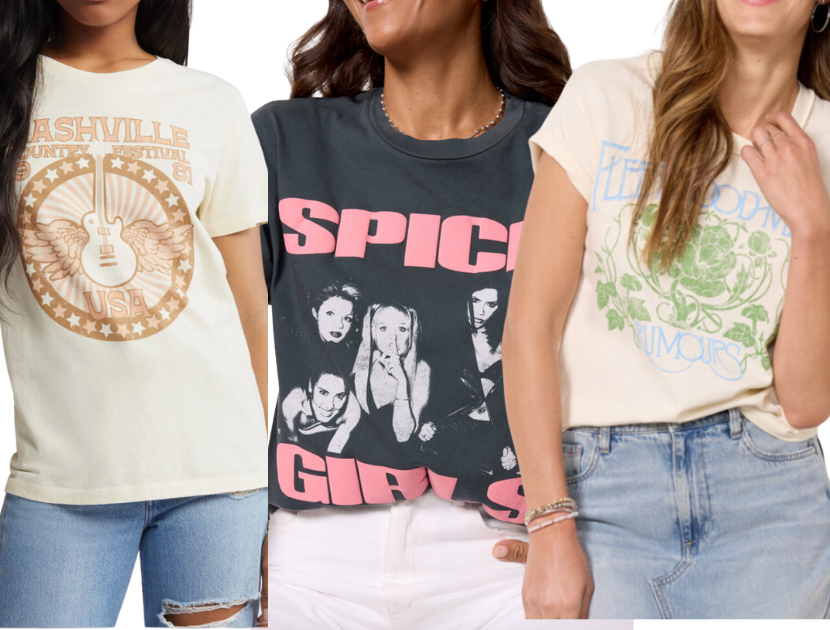
Graphic tees have undergone a remarkable evolution, becoming a vibrant staple in youth culture that reflects the values, beliefs, and trends of each generation. Originally emerging in the 1960s as a practical item of clothing, graphic tees have transformed into a canvas of self-expression and cultural commentary. Today, they are not just a clothing choice but a statement of identity, social awareness, and belonging among the youth. As fashion continues to be influenced by various cultural elements, graphic tees encapsulate the zeitgeist, allowing young individuals to showcase their affiliations, artistic tastes, and perspectives.
The influence of various cultural factors on graphic tee designs is significant. Music, movies, and social movements have all played crucial roles in shaping the styles and messages depicted on these tees. For instance, rock bands in the 70s and 80s helped popularize band tees, which became a way for fans to connect with and celebrate their favorite artists. Similarly, movies have inspired numerous iconic tees, with imagery and quotes from films resonating with audiences. Social movements, too, have embraced graphic tees as a form of activism, with slogans that raise awareness about social justice, environmental issues, and political change emblazoned across the fabric.
Impact of Cultural References on Graphic Tee Designs
The interplay between graphic tees and cultural references is profound, manifesting through various iconic designs that have left a lasting imprint on youth fashion. Below are notable examples and their cultural significance:
- “I ♥ NY” Tee – Created in the 1970s by designer Milton Glaser, this simple yet powerful design became a symbol of pride for New Yorkers and tourists alike, representing resilience and love for the city.
- Metallica’s Band Tee – The heavy metal band’s merchandise, especially the famous “Master of Puppets” shirt, has transcended music culture, often being worn by individuals as a fashion statement beyond its original purpose.
- The “Obey Giant” Tee – Featuring the artwork of street artist Shepard Fairey, this tee became emblematic of the street art movement and political activism, making the statement of questioning authority.
- Graphic Tees from Netflix’s “Stranger Things” – The series has led to a resurgence of 80s nostalgia, resulting in graphic tees that celebrate the era’s pop culture, appealing to both fans of the show and retro fashion enthusiasts.
These examples illustrate how graphic tees serve as more than just fashion items; they are powerful cultural artifacts that resonate with young people and reflect the ever-evolving landscape of youth identity and expression.
The art of graphic design in t-shirt creation showcases creativity and expression.
The world of graphic tees is a vibrant canvas where creativity meets personal expression. Graphic design plays a pivotal role in transforming a plain t-shirt into a unique statement piece. With the right combination of elements, designers can create captivating visuals that resonate with diverse audiences, reflecting their personalities, interests, and lifestyles.
Graphic design in t-shirt creation involves a meticulous blend of typography, color, and imagery. Each of these elements contributes significantly to the overall appeal of the garment. Typography sets the tone and message, while color can evoke emotions and attract attention. Imagery, whether it’s a bold illustration or a subtle pattern, adds depth and context to the design. When harmoniously combined, these elements can produce stunning graphic tees that stand out in any crowd.
Design Elements That Enhance Graphic Tees
The effectiveness of a graphic tee often lies in its design elements. Understanding how typography, color, and imagery work together can elevate a simple t-shirt into a work of art.
- Typography: The font style, size, and arrangement are crucial in conveying the intended message. Bold, sans-serif fonts might evoke a modern feel, while cursive and playful fonts can add a whimsical touch. For instance, a vintage rock band tee typically employs retro typography that resonates with nostalgia.
- Color: Color theory is essential in creating visually appealing designs. A well-chosen color palette can make a graphic tee pop and stir emotions. For example, vibrant hues may appeal to a younger audience, while muted tones might attract a more sophisticated crowd.
- Imagery: The imagery selected for the tee should resonate with the target audience. Iconic symbols, abstract patterns, or detailed illustrations can all serve as focal points. For instance, a graphic tee featuring a minimalist design with geometric shapes can appeal to those who appreciate modern aesthetics.
Graphic Design Techniques for Unique T-Shirt Designs
Various graphic design techniques are utilized to create distinctive t-shirt designs. These techniques not only enhance the visual appeal but also influence how the designs are received by different audiences.
- Screen Printing: This traditional method allows for vibrant colors and detailed designs. It’s ideal for bulk production and is often used for band merch or promotional items.
- Digital Printing: A more modern approach, digital printing offers intricate designs and a broader color spectrum. This technique allows for on-demand printing, making it practical for custom designs.
- Embroidery: While not strictly a graphic design technique, embroidery adds texture and a premium feel to graphic tees. Logos or small designs are often embroidered for added durability.
Diverse Graphic Styles Tailoring to Different Audiences
Graphic styles play a significant role in targeting specific demographics. Designers employ varying techniques to cater to the preferences of different audiences, each with their unique tastes and cultural influences.
- Vintage Style: Often characterized by retro fonts and faded colors, vintage designs appeal to nostalgia enthusiasts or those who appreciate classic aesthetics.
- Modern Style: Clean lines, minimalist designs, and bold color contrasts are hallmarks of modern graphic tees. This style attracts a younger, trend-conscious audience.
- Abstract Style: Using shapes, forms, and colors without strict adherence to realism, abstract designs cater to art lovers and those seeking unique expressions of creativity.
{The role of sustainable practices in the graphic tee production industry is vital for the environment.}
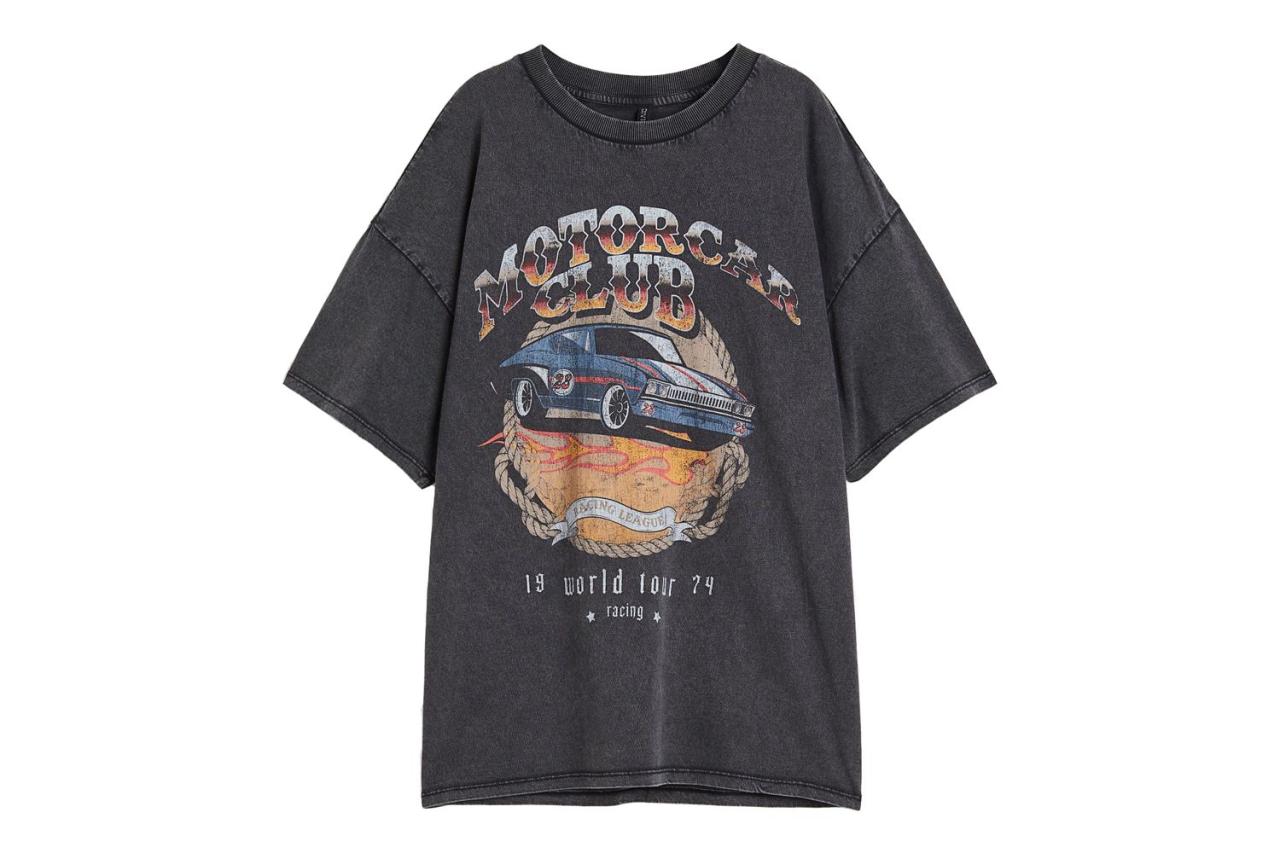
The graphic tee production industry has a significant impact on the environment, making sustainable practices essential for its future. With growing consumer awareness about climate change and environmental degradation, brands are increasingly exploring eco-friendly materials and production methods. This shift not only enhances brand reputation but also contributes positively to the planet, setting a precedent for future manufacturing processes.
Eco-friendly materials play a crucial role in graphic tee manufacturing by minimizing the ecological footprint of these garments. Traditional fabrics, like cotton, often require extensive water usage and pesticides, leading to soil degradation and water scarcity. In contrast, sustainable materials such as organic cotton, recycled polyester, and Tencel are designed to reduce these harmful effects. Organic cotton is grown without synthetic fertilizers or pesticides, promoting healthier soil and ecosystems. Recycled polyester, made from post-consumer plastic bottles, diverts waste from landfills and reduces the energy needed for new polyester production. Tencel, derived from sustainably sourced wood pulp, uses a closed-loop process that recycles water and solvents, further lowering environmental impact.
{Brands Prioritizing Sustainability and Their Production Processes}
Several brands are leading the way in sustainable graphic tee production, adopting eco-friendly practices in their manufacturing processes. These brands not only focus on the materials used but also implement innovative production methods to minimize waste and energy consumption.
Among them:
- Patagonia: Known for its commitment to environmental activism, Patagonia uses organic cotton and recycled materials in its graphic tees. The company also promotes fair labor practices and reduces its carbon footprint through renewable energy sources in its production facilities.
- Everlane: This brand emphasizes transparency in its supply chain, sourcing Tencel and organic cotton while maintaining ethical manufacturing standards. Everlane’s “Radical Transparency” initiative allows consumers to see the true costs behind their products.
- Reformation: A pioneer in sustainable fashion, Reformation utilizes deadstock fabrics and eco-friendly materials. Their production processes are designed to minimize waste, with a focus on using renewable energy in their facilities.
The impact of consumer awareness on promoting sustainable graphic tee options is profound. With more consumers seeking environmentally-friendly products, brands are compelled to adopt sustainable practices to meet market demand. Social media plays a pivotal role in amplifying this awareness, as influencers and eco-conscious consumers share their preferences for sustainable brands. As a result, many companies now highlight their sustainability initiatives, creating a competitive edge while fostering a culture of environmental responsibility among consumers. The collective push for sustainability not only benefits the planet but also encourages innovation within the apparel industry, paving the way for a greener future.
Personalization trends in graphic tees cater to individual styles and preferences.
The rise of personalization in graphic tees reflects a broader trend where consumers seek to express their individuality. Customization has become a key aspect of fashion, allowing individuals to curate their wardrobe in ways that resonate with their unique identities and personal tastes. From choosing designs to selecting fit and fabric, the options for customization are plentiful, making graphic tees a popular canvas for self-expression.
Print-on-demand services have emerged as a significant player in this personalization trend. These services allow consumers to create their own designs or modify existing artwork, producing unique pieces tailored specifically to their preferences. This approach not only reduces waste but also empowers consumers to be creative. With tools available online, customers can upload images, add text, and experiment with colors and layouts. This level of customization is appealing to a wide range of demographics, including millennials and Gen Z, who value authenticity and personal storytelling through fashion.
Customization options that resonate with different demographics
Understanding the various customization options available helps shed light on how graphic tees can cater to diverse tastes and preferences. Each demographic may resonate with different styles and methods of personalization. Here are some popular options:
- Graphic Design Customization: Consumers can choose from an array of graphics or upload their own illustrations, allowing them to showcase personal interests, art styles, or favorite themes. For example, a music lover might opt for a custom tee featuring their favorite band’s logo or an artistic interpretation of an album cover.
- Text Personalization: Adding meaningful quotes, personal slogans, or names can turn a simple tee into a statement piece. This option appeals particularly to younger audiences who want to express their beliefs or humor through fashion.
- Color and Fabric Choices: Beyond design, consumers can select the color and fabric of their tees. Options may range from organic cotton to recycled materials, allowing environmentally conscious consumers to align their fashion choices with their values.
- Fit and Style Variations: Custom sizing options such as tailored fits, cropped styles, or oversized designs can cater to various body types and fashion preferences, promoting inclusivity and body positivity.
The psychological effects of wearing personalized graphic tees are significant. When individuals don clothing that reflects their identity or interests, it can enhance their self-esteem and contribute to a sense of belonging. Wearing a personalized graphic tee can serve as a conversation starter, helping people connect with others who share similar interests or values. This connection fosters a community around shared identity, allowing wearers to feel understood and validated.
In conclusion, the personalization trends in graphic tees are reshaping how consumers interact with fashion. By offering diverse customization options and encouraging self-expression, graphic tees have solidified their place as a staple in contemporary wardrobes, catering to a wide range of styles and preferences.
The marketing strategies used by graphic tee brands create a strong connection with their audience.
The world of graphic tees has evolved significantly, with brands employing innovative marketing strategies to forge deeper connections with their audiences. These strategies not only enhance brand visibility but also foster a sense of community among consumers. By leveraging social media, storytelling, and successful campaigns, graphic tee brands have effectively increased their engagement and sales.
The role of social media influencers in promoting graphic tees and driving sales
Social media influencers play a pivotal role in the marketing strategies of graphic tee brands. By collaborating with influencers who resonate with their target audience, brands can effectively amplify their reach and credibility. Influencers often showcase graphic tees in relatable contexts, which encourages their followers to envision themselves wearing the products.
Influencer partnerships typically involve the following benefits:
- Authenticity: Influencers create authentic content that feels more personal to their followers, making product recommendations more persuasive.
- Targeted Reach: Brands can tap into specific demographics by selecting influencers whose audience aligns with their target market.
- Content Creation: Influencers generate high-quality visuals and engaging content that can be repurposed across various marketing channels.
Notable brands like *Teespring* have successfully utilized influencer marketing to boost sales, reporting increases of up to 200% in certain campaigns when influencers shared their products.
Storytelling in branding enhances customer engagement with graphic tee lines
Storytelling is a powerful tool that graphic tee brands use to enhance customer engagement. By weaving narratives around their designs, brands connect emotionally with consumers, which can significantly influence purchasing decisions. A compelling story can convey the inspiration behind a design, the values of the brand, or the message that the graphic tee aims to communicate.
The impact of storytelling in branding is evident through several key elements:
- Emotional Connection: Stories evoke emotions, allowing consumers to identify with the brand on a personal level.
- Memorability: Engaging narratives make products more memorable, encouraging consumers to share their experiences with others.
- Community Building: Brands that share stories often cultivate a sense of belonging among consumers, encouraging them to be part of a larger movement.
For example, *Threadless*, a graphic tee brand, successfully engages its audience by inviting artists to submit designs based on specific themes. Each design comes with a story, and consumers feel part of the creative process, leading to higher levels of brand loyalty.
Case studies of successful graphic tee marketing campaigns and their outcomes
Successful marketing campaigns in the graphic tee industry highlight the importance of innovative strategies and audience engagement. A few notable case studies demonstrate how brands have effectively captured market attention and driven sales.
One example includes *Hanes*, which launched a campaign featuring limited-edition graphic tees in collaboration with popular artists and designers. The campaign generated buzz on social media platforms and resulted in a 150% increase in direct sales within three months.
Another successful campaign was led by *Redbubble*, focusing on user-generated content. Customers were encouraged to share photos of themselves wearing their graphic tees on social media with a dedicated hashtag. This resulted in organic promotion and a 300% increase in engagement rates. Redbubble effectively harnessed social proof by showcasing real customers, which reinforced trust and drove sales.
These case studies illustrate that through strategic partnerships, community-driven content, and compelling stories, graphic tee brands can create impactful marketing campaigns that resonate with consumers and drive significant results.
The future of graphic tees is shaped by technology and innovation in the fashion industry.
As the fashion landscape evolves, graphic tees are at the forefront of a transformation driven by cutting-edge technology and innovative practices. This evolution not only influences the way these popular garments are designed and produced but also how they reach consumers. With advancements in various technologies, graphic tees are becoming more personalized, sustainable, and integrated into the digital experience.
Emerging technologies in graphic tee production and distribution
The graphic tee market is experiencing a shift with the adoption of several emerging technologies that enhance production processes and distribution methods. These technologies include:
- 3D Printing: This innovative method allows for the rapid production of custom graphic tees with intricate designs, reducing waste and lead times.
- Direct-to-Garment (DTG) Printing: DTG technology enables precise and vibrant printing directly onto fabric, making it easier for designers to create complex graphics and patterns.
- Blockchain Technology: By utilizing blockchain, brands can ensure transparency in their supply chains, allowing consumers to trace the origins of their garments and verify ethical practices.
The integration of these technologies not only streamlines manufacturing but also caters to a growing demand for unique and customized apparel.
Impact of augmented reality and virtual try-ons
Augmented reality (AR) and virtual try-ons are revolutionizing the way consumers interact with graphic tees. These technologies enable customers to visualize how a tee will look on them before making a purchase, bridging the gap between online shopping and the physical experience.
For instance, brands can create AR applications that allow users to see how different graphics and styles appear on their bodies using their smartphones. This capability enhances customer confidence in their choices and reduces return rates, which is a significant challenge in the online apparel market.
Advancements in printing technology and design possibilities
Recent advancements in printing technology are broadening the design possibilities for graphic tees. High-resolution printing techniques can now capture intricate details and gradients, allowing artists and designers to express their creativity more freely.
The introduction of eco-friendly inks and sustainable printing practices is also gaining traction. These advancements not only appeal to environmentally conscious consumers but also align with industry trends emphasizing sustainability.
“Technology is not just changing the way graphic tees are made—it’s redefining the very essence of fashion in a digital age.”
As the intersection of art and technology continues to evolve, graphic tees are set to become more than just a clothing option; they will represent a fusion of innovation, personal expression, and sustainability.
Graphic tees serve as a medium for social commentary and political expression.
Graphic tees have transcended their origins as mere casual wear to become a powerful platform for social commentary and political expression. They encapsulate messages and ideas that resonate with various social justice movements, allowing individuals to voice their beliefs and engage in meaningful conversations. The visual nature of graphic tees makes them an effective medium for conveying complex issues in a straightforward manner, often sparking dialogue and raising awareness among diverse audiences.
Graphic tees serve as a canvas for artists and activists to communicate messages about social justice, activism, and political issues. With their bold designs and striking graphics, these tees can convey powerful statements about critical matters such as racial equality, environmental concerns, and gender rights, often reaching a wide audience without requiring verbal explanation. The impact of wearing a graphic tee with a strong message can be profound, as it can challenge societal norms and provoke thought in ways that other forms of expression might not.
Examples of impactful graphic tees
Several graphic tees have garnered attention and become symbols of larger movements, demonstrating their effectiveness in raising awareness about various issues. Below are some notable examples:
- Black Lives Matter: Tees emblazoned with the phrase “Black Lives Matter” have become synonymous with the fight against racial injustice. These shirts not only promote awareness about systemic racism but also encourage solidarity among supporters.
- Climate Action: Graphic tees that feature slogans like “There Is No Planet B” or “Save Our Planet” have been pivotal in promoting environmental activism. These shirts serve to mobilize community efforts towards tackling climate change and preserving natural resources.
- Women’s Rights: The iconic “The Future Is Female” tee symbolizes the ongoing struggle for gender equality and women’s rights. This message has empowered countless individuals to advocate for social change and march alongside movements like the Women’s March.
The effectiveness of graphic tees as a tool for raising awareness lies in their ability to turn passive observations into active conversations. Wearing a powerful message can invite questions, foster discussions, and even inspire action. When someone sees a provocative graphic tee, it often serves as a catalyst for a deeper understanding of the issues at hand, creating an opportunity for advocates to share knowledge and personal experiences.
“Graphic tees are more than just clothing; they are statements that can drive societal change.”
In essence, graphic tees elevate personal expression to a communal platform, allowing individuals to become walking advocates for the causes they care about. They not only offer a unique form of self-expression but also encourage others to engage in dialogue about pressing social issues, ultimately contributing to a more informed and connected society.
The influence of streetwear culture on the popularity of graphic tees is undeniable.
The rise of streetwear culture has significantly transformed contemporary fashion, particularly in the realm of graphic tees. Initially born from urban youth culture, streetwear has evolved into a global phenomenon, driven by a unique blend of creativity, exclusivity, and a strong connection to music, art, and skateboarding. Graphic tees serve as a canvas for self-expression, allowing individuals to showcase their personalities, affiliations, and attitudes through bold designs and slogans.
The connection between streetwear and graphic tees is deeply rooted in the culture’s emphasis on individuality and authenticity. Graphic tees are often the most accessible and relatable items within a streetwear brand’s collection, making them an essential piece of apparel for fans of the movement. Streetwear brands, such as Supreme, Off-White, and A Bathing Ape, have strategically incorporated graphic tees into their offerings to not only promote their brand identity but to also engage with their audience on a personal level. These tees often feature eye-catching graphics, logos, or collaborations with artists and designers, which resonate with the target audience and foster a sense of belonging within the community.
The role of limited-edition releases and collaborations in driving demand for graphic tees
Limited-edition releases and collaborations have become pivotal in the streetwear landscape, significantly enhancing the desirability of graphic tees. The exclusivity of limited drops creates a sense of urgency among consumers, prompting them to act quickly to secure their desired pieces. This phenomenon has been notably seen with brands like Yeezy and Fear of God, where the anticipation surrounding a new graphic tee can lead to overwhelming demand, often resulting in sell-out situations within minutes.
Collaboration between streetwear brands and influential figures from different domains, such as music icons and renowned artists, further elevates graphic tees into a cultural statement. For instance, the collaboration between Supreme and Louis Vuitton showcased how graphic tees can transcend streetwear and enter high fashion, appealing to a broader audience. The infusion of diverse influences and the limited nature of these collaborations help solidify graphic tees as fashionable collectibles, often leading to significant resale value in secondary markets, which further fuels consumer interest.
Streetwear brands seamlessly incorporate graphic tees into their overall aesthetic by using them as visual narratives that reflect current trends, social issues, or artistic movements. These tees not only serve as a tool for branding but also as a medium through which brands communicate their ethos and connect with their audience. The powerful imagery and thought-provoking statements often featured on these tees create a dialogue beyond mere fashion, situating the wearer within a larger cultural context. This strategy ensures that graphic tees remain a dynamic and integral component of streetwear culture, continually evolving and resonating with both loyal fans and new enthusiasts alike.
Ultimate Conclusion
In conclusion, graphic tees are more than just a staple in modern wardrobes; they are a powerful medium that bridges art, fashion, and social issues. Their ability to convey messages, adapt to trends, and embrace sustainability highlights their enduring relevance. As the fashion landscape continues to evolve, graphic tees will undoubtedly remain a beloved form of expression, offering people a way to wear their beliefs and passions proudly.
User Queries
What materials are commonly used for graphic tees?
Common materials include cotton, polyester, and blends that offer comfort and durability.
How do I care for my graphic tees?
To maintain the design, wash inside out in cold water and avoid direct sunlight when drying.
Can graphic tees be worn for formal occasions?
Yes, they can be styled with blazers or tailored pants for a smart-casual look.
Why are graphic tees popular among younger generations?
They allow for personal expression and often reflect cultural trends and interests.
How do I choose the right graphic tee for my style?
Consider your personal interests, the message you want to convey, and how the design fits within your wardrobe.