
 Widya pasha
Portable speakers have come a long way since their inception, transforming the way we enjoy music on the go. The blend of convenience and technology has allowed these compact devices to deliver impressive sound quality while maintaining portability, making them a must-have for modern lifestyles.
From the early battery-operated models to today’s advanced Bluetooth and Wi-Fi-enabled speakers, portable speakers have evolved dramatically, influenced by technological advancements and user preferences. In this exploration, we’ll delve into their evolution, key features, impact on design, and how they enhance our daily experiences.
The Evolution of Portable Speakers
The journey of portable speakers has been shaped by advancements in technology and changing consumer needs. From bulky designs to sleek, compact models, the evolution of portable audio has transformed how we experience sound on the go. This exploration dives into the historical development, key milestones, and influential brands that have played a pivotal role in this fascinating industry.
The development of portable speakers can be traced back to the 1960s when simple portable radios became popular. These early models were often bulky and relied on battery power, making them less than ideal for outdoor adventures. However, as technology advanced, particularly with the introduction of compact disc players and later digital music formats, the design and functionality of portable speakers began to evolve significantly.
Key Milestones in Portable Speaker Evolution
Several milestones mark the evolution of portable speakers, showcasing technological advancements and shifts in consumer preferences. Each milestone not only reflects technological innovation but also the changing landscape of how music is consumed.
- 1970s – The Birth of Portable Speakers: The first portable speakers emerged alongside portable tape players, allowing users to enjoy sound away from fixed audio systems.
- 1980s – Cassette Boom: With the popularity of cassette tapes, manufacturers began creating more refined portable speaker systems. This decade saw the introduction of stereo sound in portable models, enhancing audio quality.
- 1990s – Miniaturization and Mobility: The advent of the CD player and more compact audio components led to smaller, lighter speakers. Brands like Sony began to release boomboxes that combined the functionality of radios, tape players, and CD players.
- 2000s – Bluetooth Technology: The introduction of Bluetooth technology revolutionized portable speakers, allowing for wireless connections to devices. This era marked the rise of brands like Bose and JBL, which focused on sound quality and portability.
- 2010s – Smart Speakers and Connectivity: The emergence of smart speakers integrated with voice assistants transformed the market. Brands like Amazon with the Echo and Google with the Home made audio experience more interactive.
- 2020s – Compact Powerhouses: Today’s portable speakers are marvels of engineering, offering impressive sound quality, long battery life, and waterproof designs. Brands such as Sonos and Ultimate Ears continue to innovate with multi-room capabilities and rugged designs.
“The evolution of portable speakers illustrates not just technological progress but also the way we connect with music in our daily lives.”
Influential Brands in Portable Speaker Technology
Numerous brands have significantly impacted the design and functionality of portable speakers, driving innovation and setting industry standards.
- Bose: Renowned for exceptional sound quality and design, Bose redefined portable audio with products like the SoundLink series, emphasizing sound clarity and wireless capabilities.
- JBL: Known for durability and vibrant sound, JBL’s Flip and Charge series offer rugged options that cater to outdoor enthusiasts, blending form and function.
- Sony: A pioneer in audio technology, Sony’s portable speakers integrate advanced sound processing, including their EXTRA BASS technology, enhancing the listening experience.
- Ultimate Ears: Focused on creating portable speakers with 360-degree sound and waterproof designs, Ultimate Ears has made a significant mark in the outdoor audio market.
- Sonos: While primarily known for its multi-room audio systems, Sonos has recently ventured into portable speakers with models that offer seamless integration across devices.
The evolution of portable speakers reflects a blend of innovation, style, and functionality, making them indispensable in today’s soundscape. As technology continues to progress, one can only imagine what the future holds for portable audio experiences.
Key Features to Look for in a Portable Speaker
When shopping for a portable speaker, it’s essential to understand the features that will enhance your experience. With various options on the market, identifying the key specifications helps ensure you choose a speaker that meets your needs, whether for casual listening or outdoor adventures. Factors like sound quality, battery life, and durability play pivotal roles in the overall performance and user satisfaction.
Sound quality, battery life, and durability are critical parameters that affect the overall performance of portable speakers. A good sound system should provide clear audio reproduction across different frequencies, ensuring that music sounds vibrant and engaging. Battery life is equally important, as it determines how long you can use the speaker without needing to recharge. Lastly, durability ensures that the speaker can withstand the rigors of travel and outdoor use, making it a reliable companion.
Essential Specifications for Portable Speakers
To make an informed decision when purchasing a portable speaker, consider the following specifications that significantly influence performance:
- Sound Quality: Look for features like frequency range, driver size, and total harmonic distortion (THD). A speaker with a wider frequency range, larger drivers, and low THD typically delivers better sound quality.
- Battery Life: Aim for a speaker with at least 10 hours of playtime. Some high-end models offer up to 30 hours, making them ideal for extended outings without the need for frequent recharging.
- Durability: Speakers with an IP67 rating are both water and dust resistant, perfect for beach days or camping trips. Materials like silicone and rubber can also enhance protection.
- Size and Weight: Consider portability; the best speakers balance sound quality with compact design. Look for options that fit easily in your bag without compromising on audio performance.
Wireless Connectivity Options
Wireless connectivity is a vital aspect that determines how easily and effectively you can connect devices to your portable speaker. Different technologies offer varying advantages:
- Bluetooth: This is the most common form of wireless connection, providing a user-friendly experience with a range typically between 30 to 100 feet. Look for speakers with Bluetooth 5.0 for enhanced connectivity and energy efficiency.
- Wi-Fi: Speakers using Wi-Fi can connect to your home network, allowing for higher-quality audio streaming and multi-room setups. This is ideal for home use, although less common in portable models.
- NFC (Near Field Communication): NFC allows for quick pairing with compatible devices by simply tapping them together. This feature enhances convenience, particularly for users on the go.
- Auxiliary Inputs: While not wireless, having a 3.5mm aux input ensures compatibility with non-Bluetooth devices, providing versatility in audio sources, especially for older models.
The Impact of Portability on Speaker Design
The need for portability in speaker design has dramatically transformed how these audio devices are crafted, focusing on both aesthetics and functionality. As consumers increasingly seek audio solutions that fit into their active lifestyles, manufacturers have embraced innovative design principles that prioritize lightweight materials and compact sizes without compromising sound quality. This shift has paved the way for speakers that not only deliver exceptional audio performance but also boast a sleek, modern look that appeals to a wide range of users.
The emphasis on portability has led to the development of various design features that cater to ease of use and transportability. One notable trend is the introduction of ergonomic shapes that allow for comfortable gripping and carrying. Additionally, many portable speakers now come equipped with features such as waterproofing and rugged exteriors, enabling them to withstand outdoor conditions and enhance their versatility. The integration of Bluetooth technology has also revolutionized the way users interact with portable speakers, allowing for seamless connectivity with smartphones and other devices.
Materials Used in Portable Speakers
To enhance portability without sacrificing sound quality, manufacturers have turned to advanced materials that provide durability while remaining lightweight. The following materials are commonly used in the production of portable speakers:
- Plastic Composites: Often chosen for their lightweight characteristics, these materials are molded into various shapes, allowing for innovative designs that are both functional and visually appealing.
- Aluminum: Popular for its strength and lightweight nature, aluminum provides a robust housing that protects internal components while contributing to a premium aesthetic.
- Fabric: Many portable speakers feature fabric grilles that not only look stylish but also allow sound to pass through while providing additional protection against dust and moisture.
- Rubber Accents: Rubber is frequently used on the exterior of portable speakers to provide grip, prevent slipping, and enhance shock resistance during transport.
- Wood: Some high-end portable speakers utilize wood for its acoustic properties, offering a warm sound quality while still maintaining a lightweight profile.
These materials are vital in creating speakers that are easily portable and capable of delivering rich, high-fidelity audio. Brands have invested in research and development to ensure that while portability is prioritized, the integrity of sound performance remains intact.
Innovative Portable Speaker Designs
The market has seen a range of innovative designs that maximize portability while ensuring high-quality audio performance. Notable examples include:
- BoomBox Style Speakers: Modern versions of the classic boom box are designed with lightweight frames and carry handles, making them easier to transport while still delivering powerful sound.
- Compact Pillar Speakers: These vertical designs maximize sound output in a small footprint, often featuring built-in grips and battery life indicators for convenience on the go.
- Waterproof Speakers: Brands like JBL and Ultimate Ears have created portable speakers that not only resist water damage but also float, making them perfect for poolside or beach outings.
- Wearable Speakers: Some companies have developed speakers that can be worn, like necklaces or wristbands, allowing users to enjoy audio without the need for traditional placement.
These innovative designs not only enhance the portability of speakers but also ensure that users can experience high-quality audio in various environments, from outdoor adventures to intimate indoor settings. The ongoing advancements in technology and materials will likely continue to shape the landscape of portable speakers in the years to come.
Applications of Portable Speakers in Everyday Life
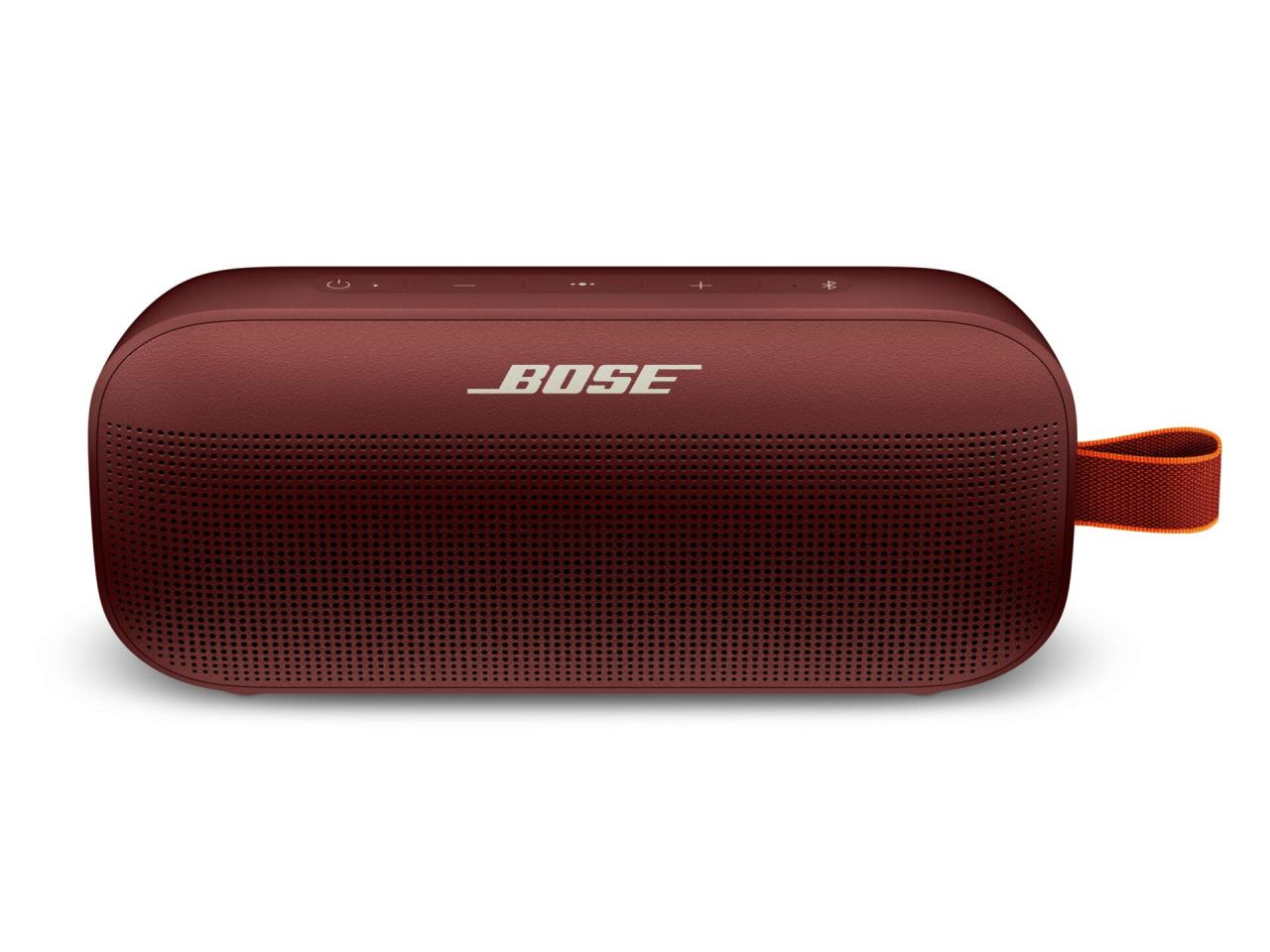
Portable speakers have increasingly become essential gadgets in our daily routines, enhancing the way we experience music and sound across various settings. Their lightweight design and wireless capabilities make them ideal for on-the-go listening, allowing us to enjoy high-quality audio wherever we are. From casual home listening to lively outdoor adventures, portable speakers play a versatile role in our lives, adapting seamlessly to different contexts.
Outdoor Activities
Portable speakers are perfect companions for outdoor activities, allowing users to bring their favorite tunes along for various experiences. Whether it’s a day at the beach, a picnic in the park, or a hike in the woods, these speakers can elevate the ambiance dramatically. Their compact size and often rugged design make them suitable for different environments.
- Beach Parties: Portable speakers can withstand sand and water splashes, making them ideal for beach outings.
- Camping Trips: They provide a soundtrack to campfires, enhancing the overall camping experience.
- Backyard Barbecues: Setting up a portable speaker allows for a lively atmosphere while grilling with friends.
Home Entertainment
In the realm of home entertainment, portable speakers offer a flexible audio solution. They can be easily moved from room to room, allowing users to enjoy music in various areas of their home without the hassle of wired connections.
- Movie Nights: Enhancing the sound quality of films through portable speakers can create a cinema-like experience at home.
- Listening Parties: Hosting a gathering with friends is made better with good music played through a portable speaker.
- Workouts: During exercise sessions at home, portable speakers can boost motivation with high-energy playlists.
Social Gatherings and Events
Social gatherings thrive with the presence of music, and portable speakers play a pivotal role in setting the tone for different events. Their ability to quickly connect to devices via Bluetooth or Wi-Fi makes it easy to share playlists and create a lively atmosphere.
- Weddings: Portable speakers can be utilized for playing music during receptions, allowing for a personalized touch to the celebration.
- Birthday Parties: They can serve as the main audio source for games and dance-offs, keeping guests entertained throughout the event.
- Outdoor Festivals: Many event organizers use portable speakers for announcements or live music, enhancing the overall experience for attendees.
Unique Usage Scenarios
Portable speakers shine in unique scenarios where traditional sound systems may not be feasible. Their versatility allows users to bring music to places that were previously difficult to enjoy with high-quality audio.
- Traveling: Whether on a road trip or exploring new cities, portable speakers provide a soundtrack to adventures, making travel experiences more memorable.
- Fitness Classes: Instructors can use portable speakers for outdoor yoga sessions or group workouts, ensuring everyone can hear the instructions clearly.
- Family Reunions: They serve as a great way to share old family videos with background music, creating a nostalgic atmosphere.
“Portable speakers not only amplify sound but also enhance shared experiences, making moments more enjoyable and memorable.”
Comparing Different Types of Portable Speakers
When it comes to portable speakers, choosing the right type can significantly enhance your listening experience. With options like Bluetooth, Wi-Fi, and wired speakers, each brings unique benefits and challenges. Understanding these differences will help you make an informed decision depending on your needs and use cases.
Different use cases can heavily influence the choice of speaker type. For instance, if you’re looking for convenience during outdoor activities, a Bluetooth speaker might be best. However, if high-quality audio in a home setting is your priority, a Wi-Fi speaker might be more suitable. Below, we’ll compare the three types of portable speakers in detail, focusing on their advantages, disadvantages, and key features.
Comparison of Bluetooth, Wi-Fi, and Wired Portable Speakers
The following table summarizes the key features and performance metrics of Bluetooth, Wi-Fi, and wired speakers. This comparison highlights how each type fits different scenarios and user preferences.
| Feature | Bluetooth Speakers | Wi-Fi Speakers | Wired Speakers |
|---|---|---|---|
| Portability | Highly portable; easy to carry around. | Less portable; usually requires a power source. | Not portable; requires a connection to a device. |
| Sound Quality | Good sound, but can vary by model. | Generally superior sound quality with higher fidelity. | Excellent sound quality, depends on the source. |
| Connection Range | Up to 30 feet (9 meters) typically. | Wider range within the same network, potentially unlimited. | Depends on cable length; usually limited to room size. |
| Setup Complexity | Simple, quick pairing with devices. | Requires Wi-Fi network setup; may need app installation. | Plug-and-play; straightforward setup. |
| Battery Life | Varies; usually several hours of playback. | Depends on device; often requires a constant power source. | No battery; powered by the device it connects to. |
| Use Cases | Ideal for outdoor activities, parties, and casual use. | Best for home use, streaming, and multi-room audio. | Perfect for stationary setups, home theaters, and professional use. |
“Choosing the right type of portable speaker can greatly enhance your audio experience, based on where and how you plan to use it.”
Considering these comparisons, you can select a speaker that aligns with your lifestyle, whether you prioritize portability, sound quality, or ease of use. Understanding these distinctions will enable you to make the most out of your portable speaker choice.
Maintenance and Care for Portable Speakers
Maintaining portable speakers is crucial for ensuring their longevity and optimal performance. By following a few best practices, users can enjoy high-quality sound and a reliable listening experience for years to come. Proper care not only preserves sound quality but also prevents common issues that may arise from neglect.
Best Practices for Maintaining Portable Speakers
To extend the life of portable speakers, adhere to these essential maintenance practices:
- Keep the speakers clean and dust-free by regularly wiping them with a soft, dry cloth.
- Ensure that the speaker’s ports and connectors are free from debris to maintain connectivity.
- Regularly check and update firmware if applicable, enhancing functionality and performance.
- Charge the battery properly using the recommended charger to avoid overcharging or overheating.
Common Issues and Solutions
Users often encounter specific challenges with portable speakers. Understanding these issues and knowing how to address them can significantly enhance the user experience:
- Battery Not Charging: If your speaker fails to charge, inspect the charging cable for damage. Try a different cable or outlet to confirm the issue. If the battery is old, consider replacing it with a new one.
- Poor Sound Quality: Sometimes, sound may distort due to dirt in the speaker grill or low battery levels. Clean the grill and ensure the battery is adequately charged.
- Bluetooth Connectivity Issues: If the speaker has trouble connecting, ensure it’s within range and that no other devices are connected. Restarting both the speaker and the device often resolves this.
Importance of Proper Storage and Handling
Proper storage and handling play a pivotal role in preventing damage to portable speakers. Here are key considerations:
- Store the speaker in a dry, cool place away from direct sunlight to prevent overheating and material degradation.
- Use protective cases or bags when transporting the speaker to shield it from physical impacts.
- Avoid exposing the speaker to extreme temperatures or moisture, which can lead to malfunctions or corrosion.
Following these maintenance tips ensures your portable speaker remains a reliable companion for your audio needs.
Future Trends in Portable Speaker Technology
With the rapid advancement in technology, the future of portable speakers looks promising, with innovations that are set to reshape how we experience sound on the go. The integration of smart features and enhancements in sound systems are just the tip of the iceberg. As consumer preferences evolve, manufacturers are likely to respond with designs that are increasingly user-centric and technology-driven.
Emerging technologies are creating a landscape where portable speakers are not just sound devices but multi-functional gadgets that enhance entertainment and connectivity. The following sections delve into the anticipated developments in smart features, design adaptations influenced by consumer behavior, and breakthroughs in battery technology that will redefine usability.
Emerging Smart Features
The integration of smart technology in portable speakers is expected to revolutionize user interaction. Features like voice recognition, smart home integration, and artificial intelligence are becoming standard. These developments cater to a convenience-oriented consumer base that values seamless connectivity.
- Voice Assistants: The incorporation of devices like Amazon Alexa and Google Assistant allows users to control music, access information, and manage smart home devices through voice commands.
- Multi-Room Connectivity: Future speakers may support mesh networking, enabling users to connect multiple speakers throughout their home for synchronized audio experiences.
- Personalized Sound Profiles: Advanced algorithms may analyze user preferences to automatically adjust sound settings, optimizing the audio experience based on various environments.
Consumer Demand Influencing Design
As consumers become more discerning, their preferences will significantly influence the design and functionality of future portable speakers. Aesthetic appeal, portability, and user experience are becoming crucial in product development.
- Compact and Lightweight Designs: The push for portability will drive manufacturers to create sleeker, lighter designs that maintain high sound quality without compromising on battery life.
- Durability and Weather Resistance: With a growing interest in outdoor activities, future models are likely to feature rugged designs that are waterproof and dustproof, catering to active lifestyles.
- Stylish Customization: Brands may offer customization options, allowing consumers to personalize colors and finishes, reflecting their unique style.
Innovations in Battery Technology
Advancements in battery technology are set to enhance the usability of portable speakers significantly. As battery efficiency improves, speakers will provide longer playtime and faster charging capabilities.
- Solid-State Batteries: These batteries promise greater energy density and safety, leading to speakers that last longer on a single charge without the risk of overheating.
- Fast Charging Solutions: Innovations in charging technology may reduce the time needed to recharge, allowing for more convenient use, especially for those on the go.
- Solar Technology: Incorporating solar panels into portable speakers could provide a sustainable power source, making them ideal for outdoor adventures.
“Future portable speakers will not just be about sound quality but also about smart integration, design aesthetics, and sustainable energy solutions.”
User Experiences and Reviews of Popular Portable Speakers
User experiences provide invaluable insights into the performance and reliability of portable speakers. With the rise in popularity of these compact audio devices, consumers share their stories and feedback, helping others make informed decisions. This collective feedback not only sheds light on individual preferences but also highlights the strengths and weaknesses of various models available in the market.
User feedback plays a critical role in shaping product development and marketing strategies within the portable speaker industry. Manufacturers often analyze reviews to identify trending features that consumers appreciate or aspects they find lacking. By addressing these insights, companies can refine their offerings, ensuring they align better with customer desires and expectations, ultimately enhancing overall satisfaction.
Anecdotes and Insights from Users
User reviews of popular portable speakers reveal a wide array of experiences that can guide potential buyers. It’s important to note the common themes and standout features that emerge from these anecdotes. Here are some key insights drawn from user feedback:
- Sound Quality: Many users emphasize the importance of sound clarity and bass performance, with brands like JBL and Bose frequently receiving praise for their audio fidelity.
- Durability: Customers appreciate speakers that can withstand outdoor usage. Models like the Ultimate Ears BOOM series often get mentioned for their rugged design and water resistance.
- Battery Life: Extended battery life is a recurring theme; users report favorably on models that offer 12 hours or more on a single charge, enhancing portability for long outings.
- Connectivity: Seamless pairing with devices and stable Bluetooth connections are critical to user satisfaction. Brands that offer quick pairing features, such as Anker, are often highlighted.
- Portability: Lightweight and compact designs rank high on user lists, allowing easy transport and fitting into backpacks or beach bags without hassle.
- Customer Service: Positive experiences with customer service can enhance brand loyalty. Brands that quickly address issues or provide easy warranty services gain favorable reviews.
“A portable speaker isn’t just about sound; it’s about the experience it provides whether at home, in the park, or on a camping trip.”
Real-life cases demonstrate how these insights are leveraged. For example, after several customers noted the need for a more rugged model, a certain brand released a waterproof version of their speaker, which quickly gained popularity, reflecting the direct impact of user feedback on product innovation.
Ending Remarks
In summary, portable speakers not only represent a significant technological advancement but also enhance various aspects of our lives through their versatility and convenience. As we look ahead, it’s clear that these devices will continue to evolve, integrating smarter features and improved performance to meet the ever-changing demands of users.
Commonly Asked Questions
What are the main advantages of Bluetooth portable speakers?
Bluetooth portable speakers offer wireless convenience, easy pairing with devices, and portability, making them perfect for on-the-go use.
Can I use portable speakers for phone calls?
Yes, many portable speakers come with built-in microphones that allow you to take phone calls hands-free.
How do I maintain my portable speaker?
To maintain your portable speaker, keep it clean, avoid exposure to moisture, and use proper storage to prevent damage.
What is the average battery life of a portable speaker?
Most portable speakers offer a battery life ranging from 5 to 20 hours, depending on usage and volume levels.
Are there portable speakers that are waterproof?
Yes, many portable speakers are designed to be waterproof or water-resistant, making them suitable for outdoor activities.