
 Widya pasha
Curtains are more than just decorative pieces; they play a vital role in enhancing the aesthetic and functionality of our living spaces. With a myriad of styles, colors, and materials available, choosing the right curtains can be both exciting and overwhelming. This guide will walk you through various types of curtains, their impact on room aesthetics, and how to select the perfect ones for your home.
From energy-efficient options to DIY projects, we’ll explore everything you need to know about curtains, ensuring that your choices reflect your personal style while serving practical purposes. Let’s dive into this fascinating world of window treatments!
Explore the different types of curtains available in the market today
Curtains not only enhance the beauty of your home but also play a significant role in controlling light and privacy. With a myriad of styles, materials, and functionalities available in today’s market, selecting the right curtains can elevate your interior design while catering to your specific needs. Below, we dive into five popular types of curtains, their materials, advantages, and ideal settings for use.
Sheer Curtains
Sheer curtains are lightweight fabrics that allow natural light to filter into a room while providing a level of privacy. They are typically made from materials like polyester or cotton blends, which give them a soft and airy look.
- Material: Typically made from polyester or cotton.
- Advantages: Diffuses sunlight, enhances brightness without sacrificing privacy.
- Functionality: Ideal for living rooms and bedrooms, they create a soft ambiance and are often layered with heavier drapes for added privacy during the night.
Blackout Curtains
Blackout curtains are designed to block out light completely, making them perfect for bedrooms or media rooms. They generally consist of a thicker fabric, often with a special lining that prevents light penetration.
- Material: Usually crafted from polyester or a polyester-cotton blend with a blackout lining.
- Advantages: Excellent light control, helps to insulate against heat and cold, enhances energy efficiency.
- Functionality: Best suited for bedrooms, nurseries, and home theaters where complete darkness is preferable.
Thermal Curtains
Thermal curtains are specifically designed to provide insulation, keeping warmth in during winter and blocking heat out in summer. They are often made from heavy fabrics with a thermal backing.
- Material: Heavyweight fabrics like polyester or velvet with thermal lining.
- Advantages: Energy-efficient, reduces heating and cooling costs, minimizes noise pollution.
- Functionality: Perfect for homes in extreme climates and commonly used in living rooms and bedrooms to maintain a comfortable temperature year-round.
Rod Pocket Curtains
Rod pocket curtains feature a sewn-in pocket at the top through which a curtain rod is inserted. This type of curtain is often made from light to medium-weight fabrics.
- Material: Commonly made from cotton, linen, or polyester.
- Advantages: Easy to hang and create a soft, gathered look; can be easily pulled aside.
- Functionality: Suitable for casual settings like kitchens or dining rooms, providing an effortless aesthetic.
Panel Curtains
Panel curtains consist of various panels that can be drawn open or closed. They can be made from a variety of materials, ranging from lightweight sheers to heavy fabrics.
- Material: Options include cotton, silk, and synthetic blends.
- Advantages: Versatile, available in various styles and colors, enhances design flexibility.
- Functionality: Works well in formal dining rooms or living spaces where a stylish yet functional window treatment is desired.
Discuss the impact of curtain colors and patterns on room aesthetics
Curtains play a significant role in the overall aesthetic of a room, with their colors and patterns serving as vital elements in interior design. The choices made in this aspect can influence not only the visual appeal but also the atmosphere and mood of any space. Understanding how different colors and patterns work can help create a harmonious environment that reflects personal style while enhancing the functionality of the room.
Color influences mood and perception in remarkable ways. For instance, warm colors like reds and oranges can create a sense of warmth and energy, making spaces feel inviting and vibrant. Cool shades like blues and greens promote calmness and relaxation, perfect for bedrooms and serene areas. Neutral tones often lend a touch of sophistication and simplicity, adapting well to various styles and themes without overwhelming the senses.
Popular patterns and their significance in interior design
Patterns can significantly enhance the character of a room, and their selection should align with the overall design theme. Popular patterns include:
- Stripes: Vertical stripes can create the illusion of height, while horizontal stripes can make a room feel broader. They are versatile and can fit both modern and traditional designs.
- Floral: Floral patterns evoke a sense of nature and freshness, making them ideal for creating a cheerful and welcoming atmosphere. They work well in spaces aiming for a vintage or cottage feel.
- Geometric: Geometric patterns bring a contemporary edge to any room. They can add a playful touch and are perfect for modern or minimalist designs.
- Abstract: Abstract patterns provide an artistic flair and can serve as a statement piece in a room. They work best when paired with solid colors to balance the visual appeal.
Selecting colors and patterns that complement existing décor is essential for creating a cohesive look. Consider the following tips when making your choices:
- Analyze the color palette of your room. Choose curtains that either match or contrast tastefully with the furniture and walls to enhance the overall design.
- Think about the mood you want to establish. Use color psychology to guide your selections—soft pastels for calmness or bold colors for energy.
- Consider the size of the room. Lighter colors can make small spaces feel larger, while rich, dark colors can add intimacy to expansive areas.
- Don’t overlook texture. Textured fabrics like linen or velvet can add depth to the design, making even a simple color choice feel sophisticated.
Choosing the right curtain color and pattern is not just about aesthetics but about setting the mood and enhancing the overall environment of your space.
Examine the role of curtains in energy efficiency and insulation
Curtains play a crucial role in enhancing the energy efficiency of homes, serving not only as decorative elements but also as functional barriers that help regulate indoor temperatures. By providing insulation and reducing heat loss, curtains contribute to significant energy savings, making them an essential component for any energy-conscious household.
The effectiveness of curtains in conserving energy largely hinges on their material and design. Thermal curtains, often made from thick or insulated fabric, can dramatically reduce heating and cooling costs. In colder months, they trap warm air inside, while during the summer, they reflect heat away from windows. This dual functionality leads to a more stable indoor climate, reducing the reliance on heating and air conditioning systems.
Materials that enhance thermal insulation
The choice of materials in curtain design plays a pivotal role in their insulation capabilities. Different fabrics can offer varying degrees of thermal performance, impacting energy savings. Below are some materials known for their insulating properties:
- Blackout Fabrics: These are typically made of tightly woven polyester that blocks out light while providing a thermal barrier, making them ideal for energy savings.
- Thermal Linings: Curtains incorporating thermal linings feature an additional layer of insulating material, which enhances their ability to trap heat indoors.
- Heavy Drapery: Thick, heavy fabrics like velvet or thicker cotton can provide substantial insulation by reducing heat transfer through windows.
- Energy-Efficient Blends: Some curtains are made from a blend of fabrics designed specifically for energy efficiency, combining aesthetics with functionality.
Choosing the right material is essential; it not only affects the insulation properties but also the overall aesthetic appeal.
Effectiveness of curtains versus other window treatments in energy conservation
When comparing curtains to other window treatments, such as blinds or shutters, it’s important to consider their relative effectiveness in energy conservation. Curtains often outperform these alternatives due to their ability to create a sealed environment around the window frame.
For instance, while blinds can provide privacy and some light control, they may not offer the same level of insulation as curtains. The gaps often found in blinds can allow air to escape, undermining their energy efficiency. Conversely, curtains can cover the entire window area, minimizing air leaks and thermal loss.
The energy-saving potential of curtains can be significant; studies indicate that properly installed curtains can reduce heat loss by up to 25%.
In terms of practicality, curtains are typically easier to install and maintain than some complex window treatment systems, making them a preferred choice for many homeowners. Overall, when considering energy efficiency and insulation, curtains stand out as a practical and effective solution, often surpassing the energy-saving capabilities of other window coverings.
Selecting the Perfect Curtain for Your Home
Choosing the right curtains can significantly enhance the aesthetic appeal and functionality of your home. With various styles, fabrics, and lengths available, understanding the process of selecting the perfect curtain is essential for achieving a harmonious interior. This guide focuses on measuring your windows accurately, selecting fabrics that suit your lifestyle, and highlighting common pitfalls to avoid during the selection process.
Measuring Windows for Curtain Installation
Accurate measurements are crucial for ensuring that your curtains fit perfectly and operate smoothly. Follow these steps to measure your windows effectively:
- Gather Your Tools: You’ll need a measuring tape, a pencil, and paper for notes.
- Decide on Curtain Style: Determine if you want your curtains to hang above the window frame, at the window sill, or below it. This will influence your measurements.
- Measure Width: Measure the width of the window from one side to the other. For a fuller look, consider adding an additional 4 to 8 inches on each side.
- Measure Height: Measure from the curtain rod’s mounting point down to your desired length. If you want puddling, add an additional 6 to 12 inches.
- Note Down Measurements: Record your findings carefully to avoid confusion later. Double-check your numbers.
Choosing the Right Fabric Based on Lifestyle and Preferences
The fabric of your curtains plays a significant role in both functionality and style. Consider the following factors when selecting fabric:
“The right fabric can enhance a room’s character while catering to practical needs.”
The following points will help guide your fabric choice:
- Light Control: If you prefer darkening a room, opt for heavier fabrics like velvet or blackout materials. For a lighter feel, sheer fabrics allow natural light while offering some privacy.
- Maintenance: Consider your lifestyle. If you have pets or children, choose durable and easy-to-clean fabrics like polyester blends.
- Seasonal Needs: For warmer climates, lightweight fabrics are ideal, while heavier materials provide insulation in colder weather.
- Texture and Pattern: Select textures and patterns that complement your existing decor. For example, a textured fabric can add depth to a monochromatic room.
Common Mistakes to Avoid When Selecting Curtains
When it comes to selecting curtains, certain common errors can lead to dissatisfaction. Being aware of these can save you time and frustration:
“Avoiding common pitfalls ensures a successful curtain selection process.”
Here are some mistakes to watch out for:
- Ignoring Measurements: Failing to measure accurately can lead to curtains that are either too short or too long.
- Choosing the Wrong Fabric: Selecting a fabric that does not fit your lifestyle can result in maintenance challenges and reduced functionality.
- Overlooking Curtain Hardware: The right rods and brackets are essential for proper installation and functionality. Ensure your hardware matches the style of your curtains.
- Not Considering Layering: Neglecting to layer curtains can limit light control and styling options, which can enhance visual interest.
Analyze the historical evolution of curtain designs and their cultural significance
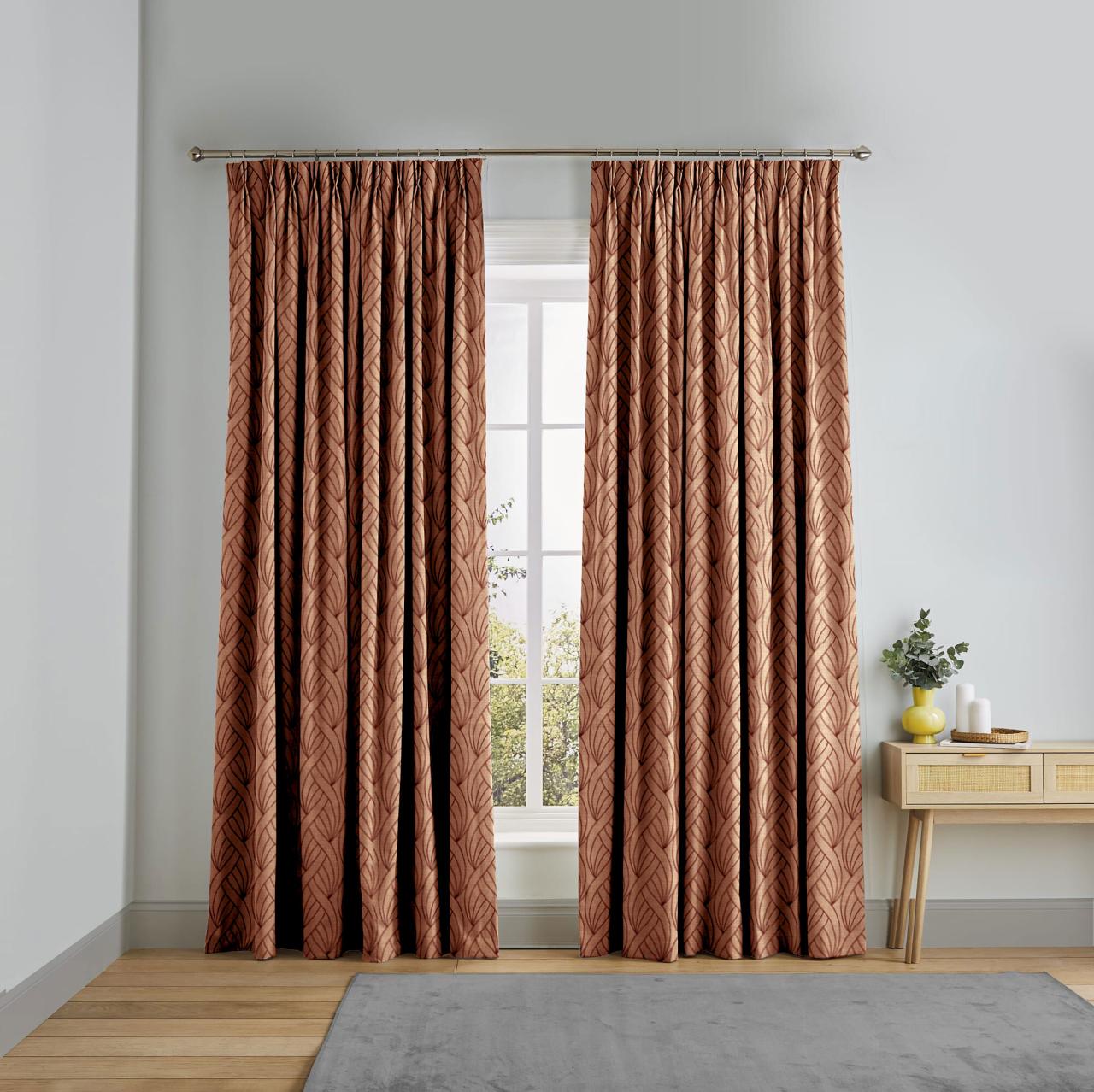
Curtains have long been an integral part of interior spaces, serving both practical and aesthetic purposes. Their designs, materials, and functions have evolved significantly throughout history, reflecting the cultural attitudes and artistic movements of various periods. From simple cloth drapes in ancient civilizations to elaborate, decorative treatments seen in modern homes, curtains are windows into societal values, technological advancements, and artistic trends.
The evolution of curtain designs has been influenced by several major historical periods, which can be traced through various styles and materials used across different cultures. These shifts often mirrored broader changes in society, including economic conditions, technological innovations, and cultural exchanges. The importance of curtains as a decorative element can be seen in how they have reflected the lives and aspirations of the people who used them, revealing much about their cultural significance.
Major Historical Periods Influencing Curtain Styles
Throughout history, curtain styles have transformed dramatically, influenced by key artistic movements and societal changes. Understanding these periods helps to appreciate the diverse fabric of design evolution.
- Ancient Civilizations: Early curtains were primarily practical, made from animal skins or woven fibers. They served as protection from the elements and defined private spaces in homes.
- The Middle Ages: With the rise of feudalism, curtains became symbols of wealth and status. Rich fabrics, such as brocade and velvet, were used in royal palaces and churches, often adorned with intricate patterns and embroidery.
- The Renaissance: This era marked a revival of classical art and architecture, leading to more elaborate and opulent curtain designs. Heavy drapery, often layered, became a hallmark of nobility, showcasing artistic craftsmanship.
- The Industrial Revolution: Innovations in textile manufacturing made curtains more accessible to the general public. Mass production of fabrics introduced new patterns and colors, allowing for personal expression in decor.
- Modernism and Beyond: In the 20th century, curtain designs began to reflect minimalist trends, with a focus on functionality and simplicity. Brands like IKEA popularized clean lines and practical designs, catering to contemporary lifestyles.
Cultural Elements Reflected in Curtain Designs
Curtains often act as a canvas for cultural expression, showcasing regional traditions, beliefs, and aesthetics. Various elements have been represented through curtain designs across different parts of the world.
- Textiles and Patterns: Unique textile techniques and designs are often representative of a culture’s heritage. For instance, the intricate patterns of Indian saris have influenced curtain designs in the region, showcasing vibrant colors and symbolic motifs.
- Symbolism: In many cultures, colors and patterns in curtains symbolize different meanings. For example, red curtains in Chinese culture are believed to bring good fortune, while white curtains may denote purity in Western traditions.
- Functional Design: The use of curtains also reflects practical needs influenced by climate and lifestyle. For instance, sheer fabrics are common in Mediterranean cultures to allow light while maintaining privacy, highlighting a connection to nature.
Impact of Historical Trends on Modern Curtain Choices
The legacy of historical trends in curtain design continues to be relevant in today’s choices, blending traditional elements with contemporary styles.
- Eclectic Styles: Modern designers often incorporate vintage or historical elements in their work, resulting in a fusion of styles that appeal to diverse tastes.
- Material Innovation: The evolution of technology has led to new materials being used in curtains, such as eco-friendly fabrics that reflect a growing awareness of sustainability.
- Personalization: Today’s consumers have access to a plethora of designs, allowing them to curate their spaces with personalized touches that echo historical themes while meeting modern preferences.
“Curtains are much more than just fabric; they weave together history, culture, and personal expression, transforming spaces into reflections of identity.”
Detail the maintenance and care required for different curtain materials
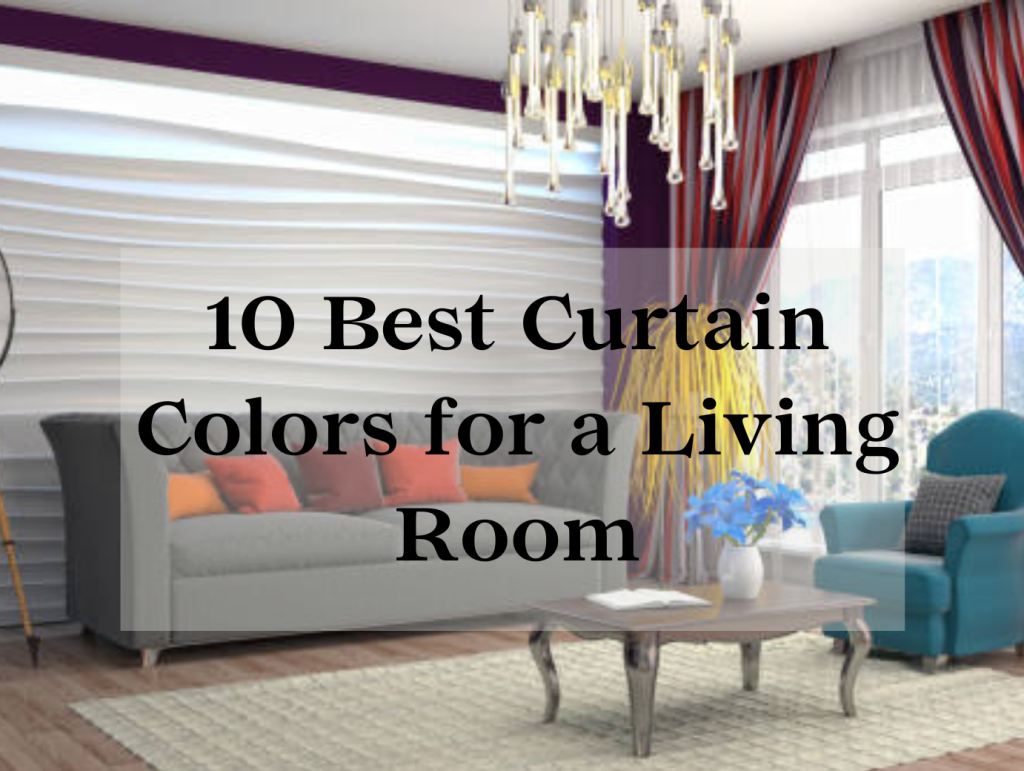
Maintaining and caring for curtains is essential to ensure they continue to enhance the beauty of your living space while also extending their lifespan. Different curtain materials have unique cleaning and care requirements that must be followed to avoid damage. Understanding these can help you keep your curtains looking fresh and vibrant for years to come.
Cleaning and Care for Various Curtain Fabrics
Different fabrics require specific cleaning methods to keep them in optimal condition. Here are guidelines for some common curtain materials:
- Cotton: Cotton curtains are generally washable. Machine wash in cold water on a gentle cycle. For stubborn stains, a mild detergent can be used. Iron on low heat to remove wrinkles.
- Polyester: This durable fabric is easy to care for. It can be machine washed in warm water and dried on a low setting. Avoid high heat, which can damage the fibers.
- Linen: Linen curtains should be dry cleaned to maintain their structure. If washing at home, use cold water and avoid wringing them out to prevent creasing.
- Silk: Silk curtains are delicate and should be dry cleaned only. Avoid exposure to direct sunlight, as this can fade the fabric over time.
- Velvet: Vacuum velvet curtains regularly to remove dust. For deeper cleaning, professional dry cleaning is recommended to avoid damage to the pile.
Common Problems with Curtains and Prevention
Curtains can encounter several issues over time, including fading, sagging, and dust accumulation. Understanding these problems can help you take preventive measures.
- Fading: Exposure to sunlight can cause colors to fade. Use lining behind your curtains or UV-filtering window treatments to protect against sun damage.
- Sagging: Heavy curtains may sag over time. Ensure they are properly hung, and consider using curtain weights to maintain their structure.
- Dust Accumulation: Curtains can attract dust and allergens. Regular vacuuming with an upholstery attachment can help minimize build-up.
- Stains: Accidental spills can lead to stains. Act quickly to blot the stain with a clean cloth and a mild detergent solution, ensuring you test any cleaner on a small area first.
Tips for Prolonging the Lifespan of Curtains
Proper care can significantly extend the life of your curtains. Here are some effective tips to keep them in great condition:
- Regular Maintenance: Schedule regular cleaning based on the material and usage. This prevents dirt and grime from settling in.
- Consider the Environment: Keep curtains away from direct heat sources like radiators or fireplaces to prevent fabric damage.
- Proper Hanging: Use appropriate rods or hooks that can support the weight of the curtains to avoid unnecessary strain.
- Storage: If you plan to store curtains, ensure they are clean and dry. Use breathable storage bags to avoid mildew and mustiness.
Create a guide for DIY curtain-making projects
Creating your own curtains can be an incredibly rewarding experience, allowing you to tailor the exact look and feel you want for your space. Not only does it save money, but it also offers a chance to showcase your personal style. This guide will help you navigate through the necessary materials, tools, and the steps to craft beautiful curtains that enhance your home.
Necessary materials and tools for making curtains at home
Having the right materials and tools is crucial for a successful DIY curtain project. Here’s a list of what you’ll need:
- Fabric: Choose a fabric that suits your style and the purpose of the curtains, such as cotton for casual looks or blackout fabric for privacy.
- Curtain rod: Select a rod that complements your fabric; it should be sturdy enough to hold the weight of the curtains.
- Measuring tape: For precise measurements to ensure your curtains fit perfectly.
- Scissors: A good pair of fabric scissors will help you achieve clean cuts.
- Sewing machine: While hand-sewing is an option, a sewing machine speeds up the process and provides a more professional finish.
- Thread: Use a thread that matches your fabric color.
- Pins: Helpful for holding fabric pieces together while you sew.
- Iron: For pressing fabric before and after sewing to ensure clean lines.
Step-by-step process for creating simple curtain designs
Creating curtains is straightforward if you follow these essential steps.
1. Measure your windows: Start by measuring the width and height of your window. It’s essential to add extra inches for hems and any desired fullness.
2. Cut the fabric: Based on your measurements, cut the fabric, ensuring you leave enough margin for hems.
3. Hem the edges: Fold the edges over twice (about 1 inch each time) to create a clean hem, pin it in place, and sew along the edge.
4. Create a rod pocket: For a simple design, fold over the top edge of the fabric and sew a seam to create a pocket for the curtain rod.
5. Finishing touches: Iron the curtains to remove any wrinkles and hang them on the rod.
Customization options for enhancing DIY curtains
Personalizing your curtains can elevate their aesthetic and make them truly unique. Consider these customization options:
- Fabric patterns: Choose fabrics with different textures, colors, and patterns to match your décor style.
- Trim and embellishments: Add lace, pom-poms, or tassels to the edges for a fun, stylish look.
- Layering: Create depth by layering sheer curtains under heavier drapes. This also allows for more light control.
- Different header styles: Experiment with different styles like grommet, tab top, or pleated headers to change the look of your curtains.
Investigate the psychological effects of window treatments on well-being
The choice of window treatments, particularly curtains, plays a significant role in our mental health and overall well-being. The style, color, and fabric of curtains can influence our mood, relaxation levels, and even our perception of comfort and safety at home. By understanding these effects, individuals can make informed decisions that enhance their living spaces and psychological wellness.
Different curtain styles can profoundly affect mental health and relaxation. For instance, light and airy fabrics, such as sheer or linen curtains, can create a sense of openness and tranquility. In contrast, heavier fabrics like velvet can provide a feeling of coziness and security. The colors chosen also play a crucial role; soft pastels or nature-inspired colors can promote calmness, while bold colors may energize a space.
Relationship between natural light and curtain usage
The interplay between natural light and curtain styles directly impacts our mood and mental state. Natural light has been shown to elevate mood, increase energy levels, and improve focus. Conversely, excessive light can lead to discomfort. The right curtains can manage this balance effectively.
When selecting curtains, consider the following aspects that relate to natural light and its effects:
- Sheer curtains allow natural light to enter while providing some level of privacy, fostering a bright and uplifting atmosphere.
- Blackout curtains are ideal for creating a dark environment, beneficial for sleep, particularly in bedrooms, enhancing relaxation and restfulness.
- Light-filtering curtains offer a middle ground, softening sunlight while still illuminating the room, which can be both energizing and calming.
Curtain choices that create a sense of security and comfort
Curtains contribute significantly to the perception of safety and comfort in a home environment. A well-chosen curtain can create intimate spaces that feel secure and welcoming. The fabric’s texture, the curtain’s weight, and how they frame the window can significantly enhance this feeling.
Consider these elements that contribute to comfort and security:
- Thick, heavy drapes can provide a barrier against the outside world, making a space feel more secure and closed off from potential intrusions.
- Warm colors in curtains can evoke feelings of safety and warmth, while cool colors may promote calmness.
- Layering curtains, such as combining sheer curtains with heavier drapes, can provide flexibility in managing privacy and light, enhancing the comfort of the space.
“The right window treatment can transform a room, affecting not just decor but emotional states and overall well-being.”
Last Word
In conclusion, curtains serve as a fundamental element in home design, influencing both the look and feel of any room. By understanding the different types available, their historical significance, and the psychological effects they offer, you can make informed choices that not only elevate your decor but also enhance your comfort. Embrace the versatility of curtains and let them transform your space into a sanctuary of style and functionality.
FAQ Resource
What are blackout curtains?
Blackout curtains are designed to block out light completely, making them ideal for bedrooms or home theaters.
How can curtains help with energy efficiency?
Curtains provide insulation by reducing heat transfer, helping to keep homes comfortable and potentially lowering energy bills.
What materials are best for curtains in humid areas?
Fabrics like polyester and cotton blends are great for humid areas as they resist mildew and are easy to clean.
How often should I clean my curtains?
It’s recommended to clean curtains every 3-6 months, depending on the material and environment.
Can I use curtains in a small room?
Yes! Light-colored curtains can make a small room feel larger, while hanging them higher can create the illusion of height.