
 Widya pasha
Office furniture isn’t just about function; it plays a pivotal role in shaping the work environment and influencing employee productivity. As we move into 2023 and beyond, current trends showcase a blend of style, comfort, and sustainability that caters to the evolving needs of modern workers.
From ergonomic designs that promote health to customizable options that reflect personal tastes, the landscape of office furniture is rapidly transforming. Additionally, sustainable practices are now at the forefront, ensuring that the choices we make today positively impact both the workplace and the planet.
Office furniture trends shaping modern workspaces
As we navigate through 2023 and beyond, the landscape of office furniture is evolving to meet the needs of modern workspaces. Today’s trends focus on creating environments that enhance productivity while prioritizing employee wellness. With a mix of aesthetics and functionality, contemporary office furniture is designed not just for utility but to inspire and engage workers throughout their day.
Current design trends in office furniture emphasize flexibility and collaboration. The move towards open spaces has resulted in multi-functional furniture that can easily adapt to various tasks and group sizes. Desks that can convert from sitting to standing positions are increasingly popular, as they encourage mobility and reduce the risks associated with prolonged sitting. Additionally, the integration of technology into furniture design, such as desks with built-in charging ports and collaborative tools, is reshaping how we work.
Current Design Trends in Office Furniture
Modern office furniture is reflecting a shift towards minimalism and sustainability, driven by both aesthetic preferences and environmental awareness. The following trends are defining the current landscape:
- Biophilic Design: Incorporating natural elements and greenery into the workspace fosters a connection to nature, which can significantly boost mood and productivity. Think of office layouts featuring plant-integrated workstations or furniture made from natural materials.
- Modular Furniture: Furniture that can be reconfigured easily allows businesses to adapt their spaces quickly. Modular sofas, desks, and meeting pods provide versatility for teams that may expand or require different setups.
- Ergonomic Solutions: Ergonomics is at the forefront, with a focus on furniture that supports body posture and reduces strain. Chairs with adjustable features and desks that accommodate various working positions are prime examples.
Popular Materials in Contemporary Office Furniture
The choice of materials in office furniture is critical, as it affects not only the aesthetics but also the durability and environmental impact of the pieces. Some materials gaining traction include:
- Reclaimed Wood: This eco-friendly option adds warmth and character to modern offices while promoting sustainability. Reclaimed wood pieces often feature unique textures and colors, making each piece distinctive.
- Metal and Steel: Industrial design elements are prevalent, with metal frames providing sturdiness and a modern look. Steel desks and filing cabinets bring a sleek, professional feel to any workspace.
- Recycled Plastics: As companies become more environmentally conscious, furniture crafted from recycled materials is on the rise. These pieces are often lightweight and available in a variety of designs and colors.
Impact of Trends on Employee Productivity and Wellness
The integration of these trends into office furniture design is more than just about aesthetics; it directly influences employee performance and well-being.
- Enhanced Comfort: Ergonomic furniture reduces discomfort and fatigue, enabling employees to focus better on their tasks. Comfortable seating and adjustable desks lead to longer productive hours.
- Improved Collaboration: Modular and flexible furniture promotes teamwork and communication among employees, fostering a sense of community and shared purpose.
- Boosted Creativity: Spaces designed with biophilic elements can inspire creativity, as studies show that natural light and greenery can lead to increased cognitive functions and innovative thinking.
“The right office furniture can transform a standard workspace into an engaging environment that enhances both productivity and employee wellness.”
Ergonomics in office furniture and its importance
The design of office furniture plays a crucial role in creating a productive and comfortable work environment. Ergonomics, the science of designing products to fit the human body and its cognitive abilities, is especially significant in office settings. Proper ergonomic design in office furniture can reduce discomfort, enhance productivity, and promote overall well-being among employees.
One of the primary benefits of ergonomic office furniture is its ability to support the body in a neutral position, which helps to minimize strain on muscles and joints. Features that commonly contribute to ergonomic design include adjustable chairs, desks at appropriate heights, and accessories like keyboard trays and monitor stands. These features enable users to customize their workstations according to their specific needs and body types, thereby enhancing comfort and efficiency during long hours of work.
Features of ergonomic office furniture
Several key features characterize ergonomic office furniture, all of which contribute to a healthier work environment. Understanding these features illuminates their importance:
- Adjustable Chairs: Ergonomic chairs typically offer adjustable seat heights, lumbar support, and armrests, allowing users to find a comfortable seating position that aligns their spine and promotes good posture.
- Height-Adjustable Desks: These desks enable users to alternate between sitting and standing throughout the day, reducing the risks associated with prolonged sitting.
- Keyboard and Mouse Placement: Ergonomic office setups often include adjustable keyboard trays, which help to keep the wrists in a neutral position and reduce the risk of repetitive strain injuries.
- Monitor Stands: Proper monitor placement is essential for reducing neck strain. Adjustable stands allow users to position screens at eye level to maintain a comfortable viewing angle.
- Footrests: These accessories help ensure that feet are flat on the floor, promoting better circulation and reducing fatigue.
The long-term health implications of using non-ergonomic furniture can be significant. Prolonged exposure to poorly designed furniture can lead to chronic issues such as back pain, neck strain, carpal tunnel syndrome, and other musculoskeletal disorders. According to studies, over 40% of workers report discomfort related to their workstations, which can ultimately lead to decreased productivity and increased absenteeism. In contrast, investing in ergonomic office furniture can improve employee satisfaction and reduce healthcare costs for organizations.
“Ergonomics is not just about comfort; it’s about creating a work environment that enhances well-being and productivity.”
Sustainable practices in the office furniture industry
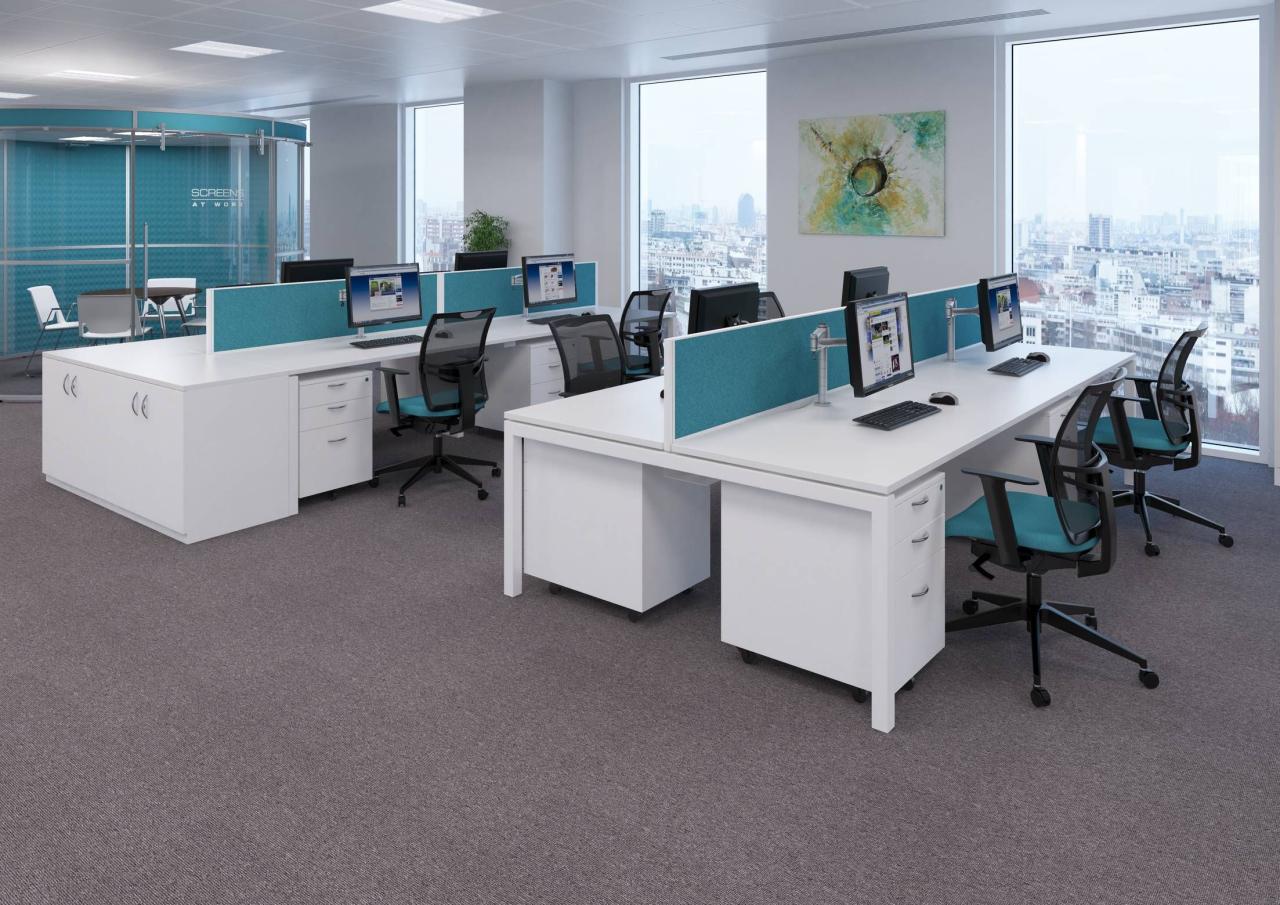
The office furniture industry is increasingly embracing sustainable practices, recognizing the vital role it plays in promoting environmental stewardship. Eco-friendly materials and responsible manufacturing processes are gaining traction, driven by both consumer demand and regulatory requirements. Businesses are finding that investing in sustainable office furniture not only benefits the environment but also enhances their corporate image and operational efficiency.
Sustainable office furniture is crafted from eco-friendly materials that minimize harm to the environment. These materials often include:
- Bamboo: A fast-growing plant that requires minimal resources and absorbs carbon dioxide, making it a sustainable alternative to traditional wood.
- Recycled materials: Furniture made from recycled plastics, metals, and woods reduces waste and the need for new raw materials.
- CertiPUR-US® certified foam: This foam is free of harmful chemicals and made from flexible polyurethane, providing a safer option for office seating.
- Sustainable wood: Timber sourced from responsibly managed forests that adhere to sustainable practices, such as FSC (Forest Stewardship Council) certification.
The benefits of opting for sustainable office furniture extend beyond aesthetics and functionality. Businesses can experience significant advantages, such as:
- Cost savings: Sustainable furniture often has a longer lifespan, reducing the frequency of replacements and associated costs.
- Improved employee well-being: Eco-friendly materials contribute to healthier indoor air quality, promoting a better working environment.
- Enhanced brand reputation: Companies committed to sustainability attract environmentally conscious clients and employees, improving their market position.
Certifications and standards play a crucial role in promoting sustainability within the office furniture sector. Recognizable certifications ensure that products meet specific environmental and health criteria:
- FSC Certification: Ensures that the wood used in furniture comes from responsibly managed forests.
- GREENGUARD Certification: Indicates that products meet strict chemical emissions limits, ensuring better indoor air quality.
- Energy Star: Applies to products that meet energy efficiency guidelines, reducing overall energy use in office environments.
Investing in sustainable office furniture not only contributes to a healthier planet but also fosters a productive and satisfied workforce.
The impact of office furniture on workspace aesthetics
The choice of office furniture plays a pivotal role in shaping the overall aesthetics of a workspace. From the color of the chairs to the style of desks, each element contributes to the visual narrative of the office environment. An inviting and well-thought-out aesthetic not only enhances employee morale but also leaves a lasting impression on clients and visitors. This discussion delves into how furniture choices influence workspace aesthetics, focusing on color, style, and arrangement.
Influence of Color, Style, and Arrangement
The color palette, style, and arrangement of office furniture all intertwine to create a cohesive and visually appealing workspace. Each of these elements has its own unique impact:
- Color: The colors chosen for office furniture can evoke different emotions and set the overall mood of the workspace. For example, cool colors like blue and green can create a tranquil environment, while warm colors such as red and yellow can energize a space.
- Style: The style of furniture—whether traditional, modern, or eclectic—impacts the perception of professionalism and creativity within the office. Traditional wooden desks may suggest stability and reliability, while sleek, modern designs can imply innovation and forward-thinking.
- Arrangement: The way furniture is arranged can enhance or detract from a workspace’s aesthetics. An open layout promotes collaboration and flow, while segmented areas can provide privacy and focus. Thoughtful arrangement can also highlight focal points, such as artwork or greenery, enhancing the visual appeal.
Comparison of Traditional versus Modern Office Furniture Aesthetics
Understanding the differences between traditional and modern office furniture aesthetics reveals how each style affects the workspace atmosphere. Traditional furniture often emphasizes craftsmanship with rich woods and ornate details, creating a sense of formality and elegance.
In contrast, modern office furniture tends to embrace minimalism with clean lines and functional designs. This style promotes a more relaxed atmosphere and encourages creativity.
| Aspect | Traditional Furniture | Modern Furniture |
|---|---|---|
| Material | Mostly wood, leather, and classic upholstery | Metal, glass, and innovative synthetic materials |
| Design | Ornate, detailed, and timeless | Minimalistic, functional, and versatile |
| Color Palette | Rich, deep colors like mahogany, dark green, or navy | Bright, bold colors or neutral tones with pops of color |
| Overall Impression | Classic, formal, and trustworthy | Modern, innovative, and creative |
The choice between traditional and modern office furniture can significantly alter the aesthetic experience of a workspace. By making informed decisions on furniture selection, businesses can not only enhance their productivity but also cultivate a space that aligns with their brand identity and values.
Customization options for office furniture and their benefits
The modern workplace is evolving, and so are the furniture solutions designed to enhance productivity and comfort. Customizing office furniture allows businesses to tailor their environment according to specific needs, which can significantly impact overall efficiency and employee satisfaction. By choosing the right design and functionality, companies can create a workspace that aligns with their organizational culture and operational goals.
Tailored office furniture can cater to diverse requirements such as ergonomics, aesthetics, and functional utility, which ultimately contributes to a more fulfilling work experience. Customization options can range from adjustable desks to modular seating arrangements, allowing a versatile approach to workplace design. This flexibility not only meets individual employee preferences but also fosters collaboration and creativity.
Benefits of Customization
Customizing office furniture provides numerous advantages that contribute to a more effective and enjoyable work environment. Key benefits include:
- Enhanced Comfort: Ergonomic designs can be tailored to fit individual body types, reducing strain and discomfort during long working hours.
- Maximized Space Utilization: Custom layouts ensure that every inch of the office is utilized effectively, accommodating specific workflows and team collaborations.
- Improved Aesthetics: Personalized designs can reflect the company’s brand identity, creating an inviting atmosphere that resonates with employees and clients alike.
- Increased Productivity: A workspace tailored to the employee’s needs can lead to improved focus and efficiency, directly impacting performance metrics.
- Flexibility for Future Needs: Customizable furniture solutions can easily adapt to changes in team size or office layout, ensuring long-term usability.
Examples of Customization Options
Today’s market offers a wide array of customization options for office furniture, allowing businesses to select features that best meet their operational demands. Some popular choices include:
- Adjustable Desks: These desks allow users to switch between sitting and standing positions, promoting better posture and health.
- Modular Workstations: Customizable configurations of workstations can easily be rearranged to meet the changing needs of teams and projects.
- Specialized Storage Solutions: Custom storage options can be designed to fit specific tools and technology, helping to keep workspaces organized and clutter-free.
- Acoustic Panels: Customized office partitions can include sound-absorbing materials to reduce noise distraction, thus enhancing focus.
- Ergonomic Chairs: Chairs can be tailored with specific features, such as lumbar support and adjustable settings to cater to individual comfort preferences.
Impact on Employee Satisfaction and Efficiency
Tailored office furniture can significantly influence employee morale, satisfaction, and efficiency. A workspace that reflects personal needs and preferences not only enhances comfort but also fosters a sense of belonging.
Employees who feel comfortable and valued in their workspace are more likely to engage fully in their tasks and contribute positively to the company culture.
Real-life examples show that companies investing in customized office furniture often see a marked improvement in employee retention and productivity. For instance, a tech company that redesigned its office with collaborative spaces and adjustable workstations reported a 20% increase in employee satisfaction scores. This demonstrates the profound impact that tailored office furniture can have on both individual and organizational success.
The relationship between office furniture and remote work
The shift to remote work has significantly altered how we view and utilize office furniture. As more professionals transition from traditional office environments to home-based setups, the demand for specific types of furniture has evolved to meet their needs for comfort, productivity, and functionality. This transformation is not just about aesthetics; it’s about creating a conducive space that fosters efficiency while working from home.
Remote work has driven a surge in demand for ergonomic office furniture that promotes health and wellness. With many employees spending extended hours at their desks, the focus has shifted towards items that support proper posture and reduce physical strain. Key furniture pieces preferred by remote workers now include adjustable standing desks, ergonomic chairs, and multi-functional storage solutions.
Popular types of office furniture for remote workers
As the remote work trend continues, certain types of office furniture have gained popularity for their practicality and ability to enhance productivity. Here are some key items that every remote worker might consider for their home office setup:
- Ergonomic Chairs: These chairs are designed to support the natural curve of the spine, reducing the risk of back pain during long work hours.
- Height-Adjustable Desks: Allowing users to switch between sitting and standing, these desks promote movement and help combat the negative effects of prolonged sitting.
- Office Storage Solutions: Efficient storage options, such as filing cabinets and shelving units, help keep the workspace organized and clutter-free.
- Task Lighting: Proper lighting is essential for reducing eye strain and creating a focused work environment. Desk lamps with adjustable brightness are highly favored.
- Desk Organizers: To maintain a tidy workspace, organizers help sort stationery, documents, and gadgets, enhancing overall efficiency.
Creating a productive home office environment goes beyond just choosing the right furniture. Here are some tips to optimize your workspace:
- Ensure proper lighting throughout the workspace, utilizing both natural light and supplementary lamps to enhance visibility and mood.
- Position your desk near a window if possible, providing a view of the outdoors, which can increase motivation and reduce stress.
- Incorporate plants or greenery into your office for improved air quality and a touch of nature, which can enhance focus and creativity.
- Keep technology organized and accessible. Use cable management solutions to avoid messy cords that can distract from productivity.
- Personalize your space with motivational quotes or artwork that reflects your personality and inspires productivity.
Creating a dedicated, well-furnished home office can significantly enhance productivity and job satisfaction among remote workers.
Investing in the right office furniture and designing an effective workspace can lead to a more enjoyable and productive remote working experience. With the rise in remote work, adapting to these changes with thoughtful furniture choices is essential for maintaining a healthy work-life balance.
Budget-friendly office furniture solutions
Finding the right office furniture can often feel like a balancing act between style, functionality, and budget. However, there are plenty of options that allow you to create an inspiring workspace without breaking the bank. By exploring alternative purchasing methods and being strategic about your choices, you can furnish your office beautifully and affordably.
When it comes to purchasing office furniture on a budget, quality should never be sacrificed for cost. Fortunately, there are several effective strategies that can help you find high-quality furniture without overspending.
Cost-effective options for purchasing office furniture
Exploring budget-friendly options is essential for any office setup. Consider the following strategies to secure great deals on office furniture:
- Buy from wholesalers: Wholesalers often offer significant discounts on bulk purchases, which can be a smart choice for businesses looking to furnish an entire office.
- Online marketplaces: Websites like Amazon, Wayfair, and Overstock frequently feature sales and clearance sections. This is a great way to discover high-quality items at reduced prices.
- Local furniture stores: Don’t overlook local stores which may offer competitive pricing, especially if they are looking to move out old inventory.
- Seasonal sales: Take advantage of major sales events like Black Friday, Labor Day, and end-of-season sales, where discounts can be steep.
- Negotiate: Don’t hesitate to negotiate prices, especially when purchasing multiple items together. Retailers may be willing to offer a discount for bulk orders.
Tips for finding good deals on office furniture
Finding good deals on office furniture is not just about searching but also about knowing where to look and how to approach the process. Here are some useful tips:
- Set a budget: Establish a budget beforehand to keep your search focused and prevent overspending.
- Research: Spend time researching different brands and their reputations for quality and durability. Read reviews and compare prices across various retailers.
- Check for warranties: Look for items that come with warranties or guarantees, as these can provide peace of mind regarding your purchases.
- Visit clearance sections: Retailers often have clearance or open-box sections where you can find great products at discounted rates.
- Utilize social media: Follow brands on social media for exclusive promotions and offers that may not be advertised elsewhere.
Benefits of opting for second-hand or refurbished office furniture
Choosing second-hand or refurbished office furniture can yield numerous benefits, both financially and environmentally.
- Cost savings: Second-hand furniture is typically much cheaper than new, allowing for significant savings without compromising on quality.
- Unique finds: Vintage or unique pieces can add character to your office space that mass-produced items often lack.
- Eco-friendly choice: Purchasing second-hand furniture is a sustainable option that reduces waste and promotes recycling.
- Immediate availability: Unlike new furniture that may require weeks for delivery, second-hand items are available for immediate use.
- Quality craftsmanship: Many older pieces are often made with superior materials and craftsmanship, giving them a durability that newer alternatives might not have.
The future of office furniture design
The landscape of office furniture design is poised for a significant transformation, driven by advancements in technology and evolving workplace dynamics. As organizations adapt to new ways of working, the furniture that supports these environments will also need to evolve to meet the changing needs of employees and employers alike.
Emerging technologies are set to redefine the aesthetics and functionality of office furniture. Concepts such as augmented reality (AR) and virtual reality (VR) are beginning to influence how companies visualize and interact with workspace design. These technologies allow designers to create immersive experiences that enable clients to visualize office spaces before they are physically constructed. Furthermore, materials such as advanced composites and 3D-printed components are becoming more prevalent, allowing for unique, customized furniture solutions that were not previously feasible.
Smart furniture integration
Smart furniture represents a groundbreaking shift in traditional office environments, integrating technology that enhances user experience and productivity. The following features of smart furniture illustrate their potential impact on the workplace:
- Adaptive workspaces: Smart desks that can automatically adjust height based on user preferences promote ergonomic health, making it easier for employees to switch between sitting and standing throughout the day.
- Connected devices: Furniture equipped with charging ports, wireless connectivity, and integrated sensors allows employees to seamlessly connect their devices, reducing clutter and enhancing workflow.
- Data collection: Smart furniture can gather and analyze data on usage patterns, helping organizations optimize space allocation and improve employee satisfaction by identifying underutilized areas or furniture.
- Personalization: Through user profiles, smart furniture can remember individual settings for lighting, temperature, and layout preferences, creating a more personalized work environment.
As workplace dynamics shift towards flexibility and collaboration, the furniture needs of organizations will also evolve. Open floor plans and co-working spaces are driving demand for modular furniture systems that can be easily reconfigured. These systems encourage teamwork and interaction, aligning with contemporary trends in workplace culture.
“The future of office furniture design is not just about aesthetics; it’s about creating environments that enhance well-being and productivity.”
Incorporating biophilic design elements into office furniture is another trend gaining traction, as companies recognize the benefits of bringing the outdoors inside. Furniture that integrates planters or natural materials can contribute to a healthier work environment, fostering creativity and reducing stress among employees.
As we look forward, the fusion of innovative technology and thoughtful design will shape the future of office furniture, making it more than just functional—transformative in how we experience our workplaces.
Conclusion
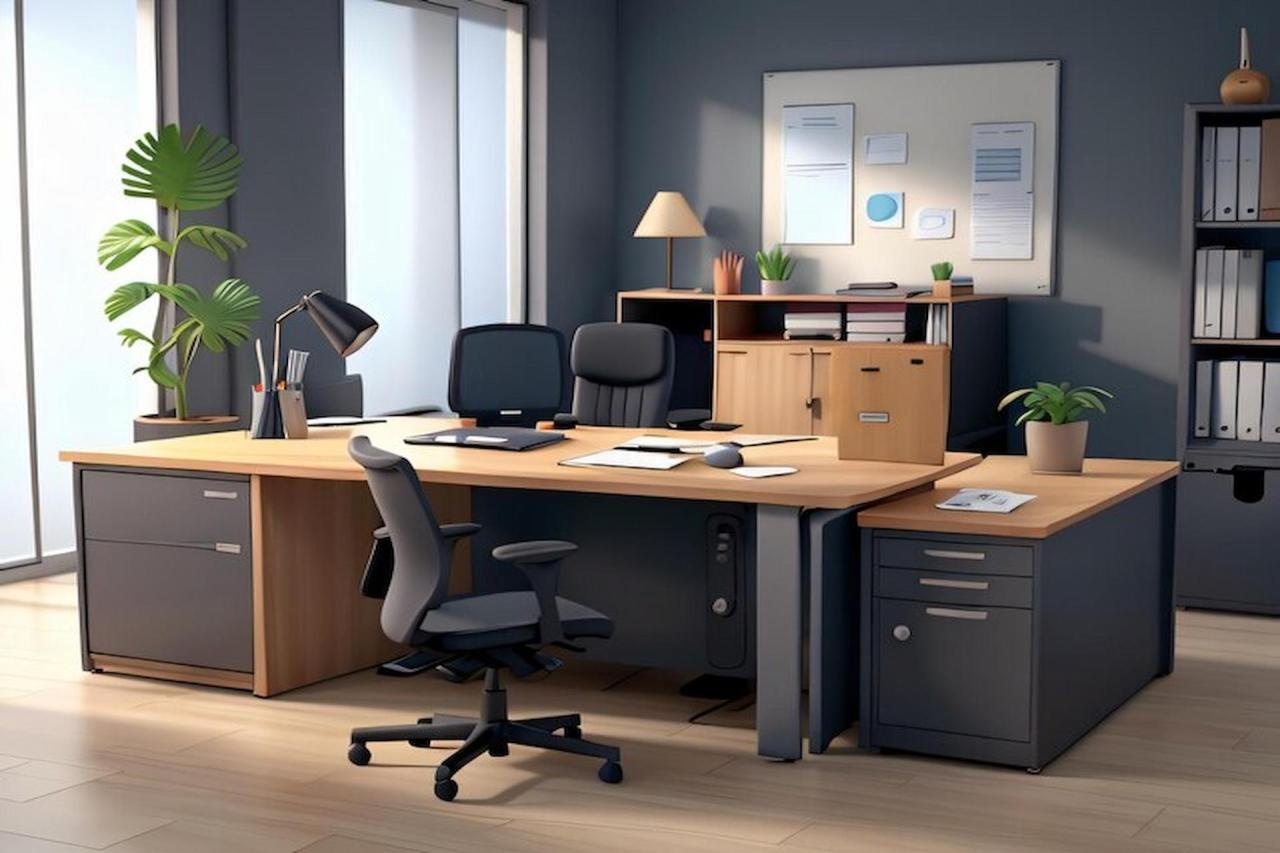
In summary, the evolution of office furniture presents exciting opportunities for enhancing workspaces. By understanding current trends, embracing ergonomic solutions, and opting for sustainable materials, businesses can create environments that not only look good but also contribute to employee well-being and productivity.
Expert Answers
What are the benefits of ergonomic office furniture?
Ergonomic office furniture helps reduce the risk of injuries, improves posture, and enhances overall comfort, leading to increased productivity.
How can I choose office furniture on a budget?
Look for sales, consider second-hand options, and prioritize essential items over luxury brands to find quality furniture at a lower cost.
What materials are commonly used in sustainable office furniture?
Eco-friendly materials include bamboo, reclaimed wood, and recycled metals, which help reduce environmental impact.
How does office furniture affect workplace aesthetics?
The choice of color, style, and arrangement of office furniture significantly influences the visual appeal and atmosphere of a workspace.
What customization options are available for office furniture?
Options may include adjustable height desks, personalized color schemes, and modular designs that fit specific workspace needs.
How has remote work changed the demand for office furniture?
The rise of remote work has increased the demand for home office setups, with workers seeking furniture that balances comfort and functionality.