
 Widya pasha
Storage solutions are more than just a way to manage clutter; they play a crucial role in enhancing the functionality of both homes and businesses. With the right storage strategies in place, spaces can transform into organized havens that promote efficiency and productivity. Whether it’s a small apartment or a bustling office, understanding how to optimize storage can lead to a significant improvement in daily life.
Effective storage not only maximizes available space but also helps maintain an organized environment. Poor storage practices can lead to chaos and inefficiency, causing frustration over misplaced items and wasted time. By implementing tailored storage solutions, individuals and businesses can achieve better space management, ultimately leading to a more streamlined and enjoyable experience.
Understanding the Importance of Storage Solutions
Effective storage solutions play a crucial role in both residential and commercial environments, greatly influencing how space is utilized and managed. In residential settings, proper storage can transform a cluttered home into an organized sanctuary. For businesses, optimized storage is essential for maximizing efficiency, ensuring that resources are readily available and that operations run smoothly.
The significance of effective storage extends beyond mere organization; it directly impacts productivity and overall functionality. Poor storage practices can lead to a myriad of problems, such as wasted time searching for items, increased stress from clutter, and reduced space utility. In homes, this can manifest as overflowing closets, disorganized garages, or chaotic living rooms. In commercial spaces, it can cause delays in operations, hinder collaboration among employees, and even affect customer satisfaction.
For example, businesses that implement efficient inventory management systems can significantly improve their operations. By utilizing vertical storage solutions and clear labeling, a company can reduce the time spent retrieving products, thereby enhancing overall workflow. In a residential context, modular shelving units or under-bed storage can help families reclaim valuable square footage, transforming unused areas into functional spaces.
Implications of Poor Storage Practices
The consequences of inadequate storage solutions can be far-reaching, leading to inefficiencies that hinder both personal and professional lives. Clutter not only takes up physical space but also contributes to mental clutter, making it difficult to focus and work effectively.
– Time Loss: Searching for misplaced items can lead to significant time wastage. Reports indicate that individuals spend an average of 55 minutes each day looking for things they can’t find, which accumulates to over 12 days a year.
– Increased Stress: A cluttered environment can heighten stress levels. Studies have shown that individuals in disorganized spaces report feeling overwhelmed and anxious, as they are consistently reminded of tasks still left undone.
– Space Inefficiency: Poor storage prevents homeowners and businesses from utilizing their space to its fullest potential. For instance, a garage stuffed with unorganized boxes can make it impossible to park a car inside, while a warehouse filled with poorly arranged inventory can lead to excessive rental costs for additional storage.
To illustrate the benefits of optimized storage, consider how a retail shop that organizes its merchandise using clear bins and labeled sections can streamline customer experience. Shoppers can quickly locate items, leading to higher sales and improved customer satisfaction. Similarly, a family that employs multi-functional furniture, such as ottomans with hidden storage, can keep their living space tidy while maximizing functionality.
“Effective storage solutions are not just about finding a place for everything; they enable better decision-making, increased productivity, and ultimately a more satisfying environment, whether at home or work.”
To summarize, investing in effective storage solutions is a crucial step in enhancing organization and efficiency. By recognizing the implications of poor storage and implementing optimized practices, both residential and commercial spaces can achieve significant improvements in functionality and comfort.
Types of Storage Solutions Available in the Market
Various storage solutions cater to different needs, whether it be for home use, office organization, or industrial applications. Selecting the right storage option can significantly enhance functionality and efficiency. In today’s market, a plethora of choices exists, ranging from traditional shelving units and cabinets to innovative smart storage systems that integrate technology to optimize space utilization.
Traditional Storage Options
Traditional storage solutions have stood the test of time and remain popular due to their reliability and ease of use. Options like shelving units, bins, racks, and cabinets are widely utilized across various settings. Here’s a closer look at these options:
- Shelving Units: Ideal for offices and homes, shelving units provide open space for books, decor, and files. They can be easily customized in height and depth to fit specific requirements.
- Bins: Bins are versatile containers used for organizing smaller items. They are particularly effective in workshops or garages for storing tools and supplies, making items easy to locate.
- Racks: Racks are best suited for heavy-duty storage needs, such as in warehouses and retail stores. They support substantial weight and are ideal for pallet storage or bulk goods.
- Cabinets: Cabinets offer secure storage options, often with locking mechanisms for sensitive items. They are commonly used in offices for files and documents, ensuring organization while maintaining confidentiality.
These traditional solutions provide a solid foundation for storage needs, but modern innovations are reshaping the landscape.
Modern Innovations in Storage
The rise of technology has led to the development of smart storage systems that enhance efficiency and user experience. These solutions often incorporate features such as automated inventory management, integrated software for tracking, and smart organization that allows for real-time monitoring.
| Feature | Traditional Storage | Smart Storage |
|---|---|---|
| Manual Inventory Tracking | Required | Automated |
| Accessibility | Physical access only | Remote access via apps or devices |
| Space Optimization | Static arrangements | Dynamic arrangements based on usage |
Smart storage solutions can transform how individuals and businesses manage their space. For example, a smart closet system can automatically arrange clothes by category and suggest outfits, while a smart warehouse can manage stock levels and alert managers when reordering is necessary.
Utilization for Different Needs
Understanding the unique needs of various environments fosters effective storage solutions. Traditional shelving units work well in home offices, while heavy-duty racks are crucial in industrial settings. Smart storage solutions are highly beneficial for businesses that require precise inventory management and space efficiency. By assessing specific requirements, users can choose the appropriate storage system to optimize functionality and maintain organization in their respective environments.
Tailoring Storage Solutions to Specific Needs
In today’s fast-paced world, the demand for effective storage solutions is more crucial than ever. Customizing storage systems to meet individual needs not only maximizes space efficiency but also enhances organization and accessibility. The importance of tailoring storage solutions lies in recognizing that no two spaces or requirements are the same. By considering unique circumstances, individuals can create environments that cater specifically to their needs.
Several key factors influence the selection of suitable storage options, including the size of the available space, the type of items to be stored, and how frequently those items need to be accessed. For instance, a small apartment may require multi-functional furniture that doubles as storage, while a larger garage may benefit from open shelving and designated zones for different types of tools or equipment.
Examples of Tailored Solutions for Different Scenarios
To illustrate the effectiveness of customized storage solutions, here are examples tailored to various environments:
– Offices: In a workspace, the arrangement of file cabinets, shelving units, and desk organizers should reflect the workflow and type of work conducted. For example, an office that frequently handles documents might benefit from a vertical filing system that makes use of limited floor space while keeping important files easily accessible. Ergonomic desk organizers can enhance productivity by keeping essential items at hand without cluttering the workspace.
– Garages: Garages often become dumping grounds for miscellaneous items. By utilizing wall-mounted storage, overhead racks, and pegboards, homeowners can create a structured environment. For instance, using labeled bins can categorize sports equipment, gardening tools, and automotive supplies, ensuring everything has its place and can be found quickly.
– Closets: Customized shelving and hanging systems can transform a closet into a highly efficient storage area. For example, a walk-in closet can have adjustable shelves for shoes, built-in drawers for accessories, and hanging rods at various heights to accommodate different clothing lengths. This tailored approach maximizes vertical space and simplifies outfit selection.
In conclusion, the selection of storage solutions must be meticulously matched to the specific needs and dimensions of each space. Recognizing the unique characteristics of the items being stored and the frequency of access can lead to significant improvements in organization and efficiency.
Innovative Storage Solutions for Small Spaces
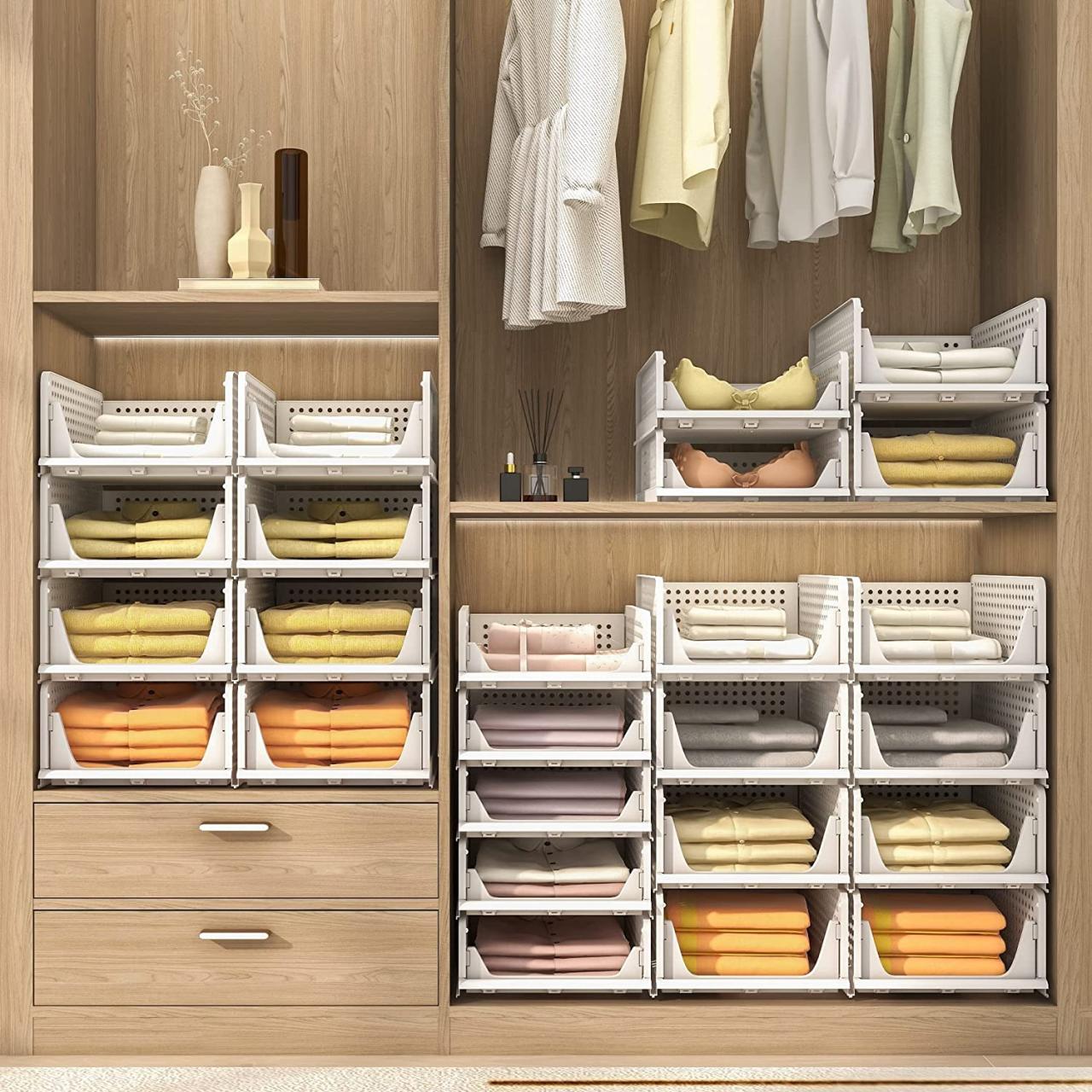
In today’s fast-paced world, many individuals and families find themselves living in compact environments where space is at a premium. Maximizing storage in these smaller areas can be a challenge. However, with a creative approach to organization and design, small spaces can become both functional and comfortable. This discussion focuses on innovative storage solutions that can transform cluttered areas into practical living spaces, ensuring that every square inch is optimized for efficiency.
Vertical Storage Strategies
Utilizing vertical space is essential when it comes to enhancing storage options in small areas. Walls that often go unused can be transformed into valuable storage solutions, keeping items accessible while preserving floor space.
Consider the following techniques for implementing vertical storage:
- Wall-Mounted Shelves: Installing shelves at varying heights allows for the display of decor, books, or plants, while also providing functional storage. This method draws the eye upward, making the room feel more expansive.
- Hanging Organizers: Using pegboards or hooks on walls can facilitate easy access to tools in a workshop or kitchen utensils, effectively reducing clutter on surfaces.
- Over-the-Door Storage: Doors can serve as valuable real estate. Over-the-door organizers for shoes, accessories, or cleaning supplies can dramatically reduce clutter in confined spaces.
Implementing these vertical strategies not only maximizes storage but also adds a stylish element to the overall decor.
Multi-Functional Furniture
Furniture that serves multiple purposes is a game changer in small spaces. This approach allows for the combination of functionality with aesthetics, ensuring each piece contributes to both storage and style.
Here are some excellent examples of multi-functional furniture:
- Sofa Beds: Perfect for accommodating guests, a sofa bed can transform a living room into a guest room without sacrificing space.
- Ottomans with Storage: Ottomans that open up for storage provide a convenient place to store blankets or magazines while also serving as seating or a coffee table.
- Expandable Dining Tables: These tables can be compact for everyday use but can extend to accommodate additional guests, maximizing their utility.
Each of these furniture pieces contributes significantly to space optimization and can enhance the overall aesthetic of a room.
Hidden Storage Solutions
Hidden storage is an ingenious way to keep spaces tidy while maintaining a minimalist look. This concept involves integrating storage into the design of existing features.
Consider the following hidden storage possibilities:
- Under-Bed Storage: Utilize the space beneath beds with rolling bins or drawers to store out-of-season clothing or shoes. This area is often overlooked but can hold a significant amount of organizing potential.
- Built-In Storage: Creating built-in shelves or cabinets that blend seamlessly with the walls can provide ample hidden storage while enhancing the overall decor.
- Staircase Storage: The space beneath staircases can be cleverly utilized by designing cabinets or shelves, allowing for both storage and a unique design element.
Incorporating these hidden storage solutions can effectively declutter a space while keeping essentials within reach and out of sight.
“Effective storage solutions are essential for creating an organized, functional, and inviting living environment, especially in small spaces.”
Decluttering plays a vital role in making the most of any innovative storage solution. Regularly assessing items and determining what is needed versus what is merely taking up space allows for better organization and enhances the functionality of each storage solution. By integrating these innovative strategies, small spaces can be transformed into areas that are not only practical but also aesthetically pleasing.
The Role of Technology in Modern Storage Solutions
Technology has dramatically transformed the landscape of storage solutions, introducing innovative methodologies that streamline both personal and business storage needs. From smart shelves to advanced inventory management apps, technology facilitates more efficient organization, tracking, and utilization of space, which ultimately enhances productivity and fosters better decision-making. The integration of technology into storage solutions not only simplifies the management process but also offers real-time insights that are invaluable in today’s fast-paced environment.
Technological Advancements in Storage Solutions
The influence of technology on storage practices is profound, significantly altering how individuals and businesses manage their space and resources. One of the most notable advancements is the introduction of smart shelves equipped with sensors and RFID technology. These innovative shelves can automatically detect inventory levels and alert users when they are running low on specific items. This not only saves time but also ensures that businesses can maintain optimal stock levels without the risk of over-ordering.
Inventory management applications enhance this capability by offering features such as real-time tracking, barcode scanning, and analytics. These apps enable users to streamline their inventory processes, making it easier to organize, retrieve, and analyze data. For instance, a retail store using such an app can quickly check stock levels, identify best-selling items, and generate reports that assist in future purchasing decisions.
The benefits of integrating technology into storage practices extend beyond mere convenience. For personal storage, tech-enabled solutions like automated garage systems and home inventory apps allow homeowners to keep track of their items efficiently. This is particularly useful for decluttering and maximizing space in urban living environments. For businesses, leveraging technology in storage solutions can lead to significant cost savings, improved accuracy in inventory management, and enhanced customer satisfaction through better service delivery.
- Increased Efficiency: Automated inventory tracking reduces the time spent on manual checks and minimizes human error.
- Real-time Data: Access to up-to-the-minute information helps businesses make informed decisions quickly, improving responsiveness to market changes.
- Space Optimization: Smart storage solutions enable better utilization of available space, leading to an organized and clutter-free environment.
Examples of effective technology-enhanced storage solutions are abundant across various industries. In warehouses, companies like Amazon utilize robotics and AI-driven systems to manage their vast inventory efficiently. These systems can pick and pack items with speed and precision, demonstrating the effectiveness of integrating cutting-edge technology. Similarly, in healthcare, hospitals are employing smart storage cabinets that monitor medication inventory, ensuring that essential supplies are always available when needed.
“The integration of technology in storage solutions is not just about keeping items organized; it’s about transforming storage into a strategic advantage.”
Moreover, the rise of cloud storage solutions for both personal and business needs illustrates how technology can offer versatile and scalable storage options. Users can store vast amounts of data securely and access it from anywhere, facilitating seamless collaboration and data sharing.
In conclusion, technology plays a critical role in reshaping storage solutions, making them more efficient, accurate, and accessible. Whether for personal use or in a business context, embracing these advancements is essential for maximizing space and improving overall management practices.
Eco-Friendly Storage Solutions
As environmental concerns grow, the demand for eco-friendly storage solutions has risen significantly. Sustainable storage options are not only beneficial for the planet but also promote a lifestyle that prioritizes reducing waste and conserving resources. By exploring various materials and practices that contribute to a greener future, consumers can choose storage solutions that align with their values.
One of the primary ways to ensure storage solutions are eco-friendly is through the use of sustainable materials. Recycled and renewable materials significantly reduce the carbon footprint associated with manufacturing new products. Examples include storage boxes made from recycled cardboard, containers crafted from bamboo, and furniture produced from reclaimed wood. These materials not only minimize environmental impact but often provide unique aesthetic qualities, enhancing home decor with their natural and rustic appearances.
Examples of Sustainable Companies and Products
Several companies are leading the charge in providing eco-friendly storage solutions that prioritize sustainability. These businesses focus on innovative materials and practices that encourage recycling and responsible usage. Here are some notable examples:
- Container Store: This company offers a range of storage solutions made from recycled materials. Their products, including bins and organizers, are designed to be both functional and environmentally conscious, promoting a clutter-free and sustainable lifestyle.
- Grove Collaborative: Known for its eco-friendly household products, Grove offers storage options that are made from sustainably sourced materials. Their storage containers are designed to be reusable and recyclable, emphasizing a commitment to reducing plastic waste.
- Simply Tidy: This brand focuses on creating stylish and functional storage solutions. Their products, often made from recycled plastics, are designed to help consumers organize their spaces while minimizing environmental impact.
In addition to the companies mentioned, many local artisans and businesses specialize in handmade storage solutions using upcycled materials. For instance, repurposed wooden crates can serve as both storage and decorative elements in homes, promoting a zero-waste mindset.
Implementing eco-friendly storage solutions not only supports the environment but also encourages a mindful approach to consumption. By choosing products that prioritize sustainability, individuals can make a positive impact on the planet while enjoying practical and stylish storage options.
Organizing Your Storage Space Efficiently
Efficient organization of your storage space can transform chaos into clarity, allowing you to find items easily and maximize the use of your area. Understanding effective methods for organizing not only saves time but also enhances the overall productivity of your space. With the right strategies, maintaining an orderly environment becomes a manageable task, leading to improved accessibility and a more pleasant atmosphere.
Significant components in maintaining organized storage include labeling, categorizing, and conducting regular audits. Labeling items ensures that every box or shelf is easily identifiable, saving time during searches. Categorizing items means grouping similar items together, which not only simplifies retrieval but also helps in identifying what you have at a glance. Regular audits are essential; they help in reassessing your storage needs, removing unnecessary items, and ensuring everything remains in its designated space.
Effective Organization Methods
To create an efficient storage system, consider the following step-by-step procedures:
1. Assess Your Space:
Begin by evaluating the type and size of your storage area. Measure the dimensions and note any peculiarities, such as low ceilings or awkward corners, which may affect storage options.
2. Declutter:
Before organizing, eliminate any items that are no longer needed. Use the “one-year rule”—if you haven’t used an item in a year, consider donating or discarding it.
3. Categorize Items:
Group similar items together. For example, keep seasonal decorations, tools, or sports equipment in their respective categories. This aids in efficient storage and retrieval.
4. Choose Storage Solutions:
Select appropriate containers based on your items. Clear bins are ideal for visibility, while labeled boxes work well for items that are less frequently used. Consider vertical storage solutions like shelves and pegboards to maximize space.
5. Label Everything:
Use clear labels on all boxes and shelves to indicate contents. This will save time and minimize frustration when searching for specific items.
6. Establish a Systematic Layout:
Place frequently used items at eye level and in easy-to-reach locations. Reserve higher shelves for less frequently accessed items.
7. Conduct Regular Audits:
Schedule routine check-ins to reassess your storage. This helps in maintaining organization and making necessary adjustments over time.
By integrating these methods into your storage routine, you’ll achieve a well-organized space that meets your needs and enhances your overall efficiency.
Common Mistakes to Avoid in Storage Solutions
Implementing effective storage solutions is crucial for maximizing space and efficiency, whether in a home, office, or commercial environment. However, many individuals encounter pitfalls that can impede their storage goals. Understanding these common mistakes is key to creating a functional and organized space.
A frequent error made during the implementation of storage solutions is the tendency to overload storage units. Overloading can lead to damage not only to the items being stored but also to the storage furniture itself. This can include anything from shelves collapsing under excessive weight to boxes bursting and creating a mess. It’s essential to adhere to weight limits and distribute items evenly.
Another mistake often overlooked is neglecting accessibility. When items are packed haphazardly or are difficult to reach, it can lead to frustration and inefficiency. If you find yourself rummaging through stacks of boxes or constantly moving items around, it’s a sign that the layout needs reevaluation. Items that are frequently used should be stored in easily accessible locations.
Errors Related to Poor Layout Design
Effective layout design is critical for optimal storage solutions. Poor design can lead to wasted space and can hinder the usability of the storage area. Consider the following points that highlight common errors in layout design:
– Ignoring Vertical Space: Many people fail to utilize vertical space effectively, which can significantly limit storage capacity. Installing shelving units or using stackable bins can help maximize this often-overlooked area.
– Creating Inflexible Configurations: Storing items in a way that doesn’t allow for easy reconfiguration can be problematic, especially if your storage needs change. Modular storage solutions offer flexibility and adaptability.
– Overlooking Item Grouping: Not grouping similar items together can create chaos, making it difficult to find what you need. Keeping like items together not only improves organization but also enhances accessibility.
– Neglecting Labeling Systems: Failing to label storage containers means that you may find yourself lost in a sea of boxes. Implementing an effective labeling system can save time and effort when searching for specific items.
“Successful storage strategies are characterized by thoughtful organization, easy accessibility, and efficient use of space.”
By comparing these pitfalls with successful storage strategies, one can see that a well-planned storage solution not only prevents clutter but also promotes productivity. For example, utilizing a combination of shelving, bins, and clear labeling allows for streamlined organization and easy access. This proactive approach to storage transforms chaotic spaces into well-ordered environments, ultimately enhancing both functionality and aesthetics.
The Future of Storage Solutions
As we look ahead, the landscape of storage solutions is set to undergo significant transformations driven by technological advancements and changing consumer preferences. With the explosion of data generation and the rise of smart technologies, the demand for innovative storage solutions is more critical than ever. From cloud storage to physical spaces, the future of storage will redefine how we manage and interact with our belongings and data.
Emerging technologies and shifting consumer expectations are shaping new trends within the storage solutions industry. One pivotal advancement is the increasing integration of artificial intelligence (AI) and machine learning into storage systems. These technologies can optimize data management by predicting storage needs and automating the organization of files and information. Businesses and individuals can expect a shift toward smarter storage solutions that not only store data but also analyze and enhance usage patterns.
Trends in Smart Storage Solutions
The following trends exemplify the evolving nature of storage solutions:
- Cloud Storage Dominance: Cloud storage continues to gain traction, enabling users to access their data from anywhere in the world. Services like Google Drive and Dropbox are leading the charge, allowing seamless collaboration and data sharing.
- Decentralized Storage: With the rise of blockchain technology, decentralized storage solutions are gaining popularity. These platforms enhance security and privacy by distributing data across multiple nodes, minimizing the risk of central data breaches.
- Smart Home Integration: As homes become increasingly connected, storage solutions that integrate with smart home devices are becoming essential. Products like smart cabinets and automated storage systems enable users to manage their belongings through voice commands or mobile apps.
- Sustainable Storage Options: Consumers are becoming more environmentally conscious, prompting a demand for sustainable storage solutions. Companies are focusing on eco-friendly materials and energy-efficient manufacturing processes, contributing to greener storage practices.
The changing landscape indicates a more customized approach to storage, where consumer preferences significantly impact product development. For example, the popularity of minimalism has led to a rise in multifunctional furniture that offers hidden storage solutions, effectively utilizing space in modern homes. Businesses are also adapting, with many opting for modular storage systems that can be easily reconfigured as needs change.
“The future of storage will not only be about space but also about how we interact with it.”
The rise of the Internet of Things (IoT) is another critical factor influencing storage solutions. IoT devices generate vast amounts of data that need to be stored and processed efficiently. As these devices become more prevalent, the demand for storage solutions that can handle real-time data processing will increase.
In conclusion, the future of storage solutions is characterized by smart technologies, increasing customization, and a growing emphasis on sustainability. These changes will redefine storage practices in homes and businesses, making them more efficient, secure, and user-friendly. As we embrace these advancements, the way we manage our physical and digital spaces will evolve, paving the way for a more organized and accessible future.
Final Conclusion
In summary, exploring various storage solutions empowers us to make informed decisions tailored to our unique needs. From innovative technologies to eco-friendly practices, the storage landscape offers an array of options designed to enhance organization and efficiency. As we embrace these solutions, we pave the way for a future where our spaces are not just functional but also harmonious and sustainable.
FAQ Explained
What are some common storage solutions for small spaces?
Common solutions include vertical shelving, multifunctional furniture, and under-bed storage, which help maximize the use of limited space.
How can I ensure my storage system is efficient?
Regularly auditing your storage, categorizing items, and using clear labeling are key strategies to maintain efficiency.
What factors should I consider when choosing storage options?
Consider the size of the space, the types of items to be stored, and how frequently you need access to those items.
Are there eco-friendly storage options available?
Yes, many companies offer sustainable storage solutions made from recycled materials or designed for minimal environmental impact.
What mistakes should I avoid when organizing storage?
Avoid overloading your storage, neglecting accessibility, and failing to plan for a logical layout to ensure effectiveness.