
 Widya pasha
Smart home devices have become an integral part of our daily lives, reshaping how we interact with our living spaces. These innovative tools leverage advanced technology to enhance comfort, efficiency, and security in our homes. As we delve deeper into this phenomenon, we will explore how these devices work harmoniously to create a more connected and convenient environment.
From smart thermostats that learn our schedules to security cameras that provide real-time monitoring, the evolution of smart home technology has been remarkable. The Internet of Things (IoT) plays a pivotal role in this transformation, enabling seamless communication between devices and users. As smart home devices gain popularity, their features and functionalities continue to expand, making them essential elements in modern living.
The evolution of smart home devices in modern living
The integration of smart home devices into our daily lives marks a significant shift in how we interact with our living spaces. These devices have transformed traditional homes into automated environments that enhance convenience, security, and energy efficiency. As technology continues to evolve, so too does the capability of these devices, shaping the way we experience home life.
The advancements in technology have played a crucial role in the rise and acceptance of smart home devices. Initially, the concept of a smart home was limited to basic automation features, such as programmable thermostats and remote-controlled lighting. However, innovations in wireless communication, processing power, and AI have enabled the development of sophisticated smart devices that are now commonplace. For instance, the advent of Wi-Fi and Bluetooth technologies allows seamless connectivity between devices, making it easier than ever to control home systems via smartphones or voice commands. Additionally, machine learning algorithms enable these devices to learn user preferences, further optimizing their functionality.
The role of the Internet of Things (IoT) in connecting smart devices
The Internet of Things (IoT) serves as the backbone of modern smart home ecosystems, connecting devices and enabling them to communicate with one another. This interconnectedness creates a cohesive network where devices can share data, allowing for a more integrated and intelligent home environment. For example, a smart thermostat can receive temperature data from smart sensors throughout the house, adjusting the heating or cooling system in real-time for optimal comfort and energy savings.
The significance of IoT in smart homes can be illustrated through the following points:
- Data Sharing: IoT devices continuously gather and share data, providing insights into energy consumption patterns and lifestyle choices.
- Remote Access: Homeowners can monitor and control their devices from anywhere, enhancing security and convenience.
- Automation: IoT enables complex automations, such as setting lights to turn on at sunset or automatically locking doors when leaving the house.
- Interoperability: Different brands and devices can work together seamlessly, offering users flexibility in choosing products that suit their needs.
- Scalability: As technology advances, more devices can be added to the network, expanding functionality without major overhauls.
In conclusion, smart home devices, powered by IoT, have revolutionized the concept of home living, making it more efficient, secure, and responsive to our needs. This evolution reflects a broader trend toward a smarter, more connected world.
Key features that define smart home devices
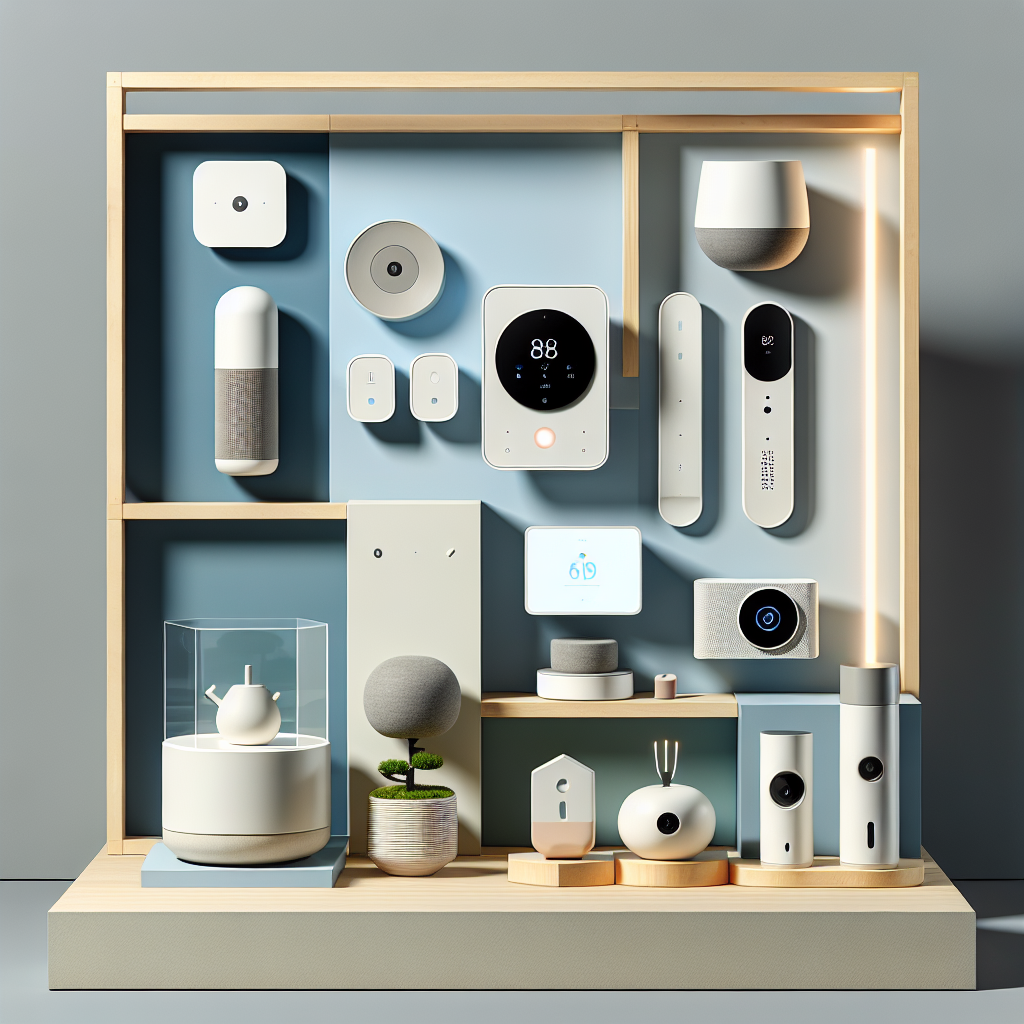
Smart home devices have revolutionized the way we interact with our living spaces. Characterized by their ability to connect and communicate with each other, these devices enhance user convenience through automation and remote management. With the integration of advanced technology, they create a seamless experience that caters to daily needs and preferences.
One of the standout features of smart home devices is their connectivity, primarily through Wi-Fi or Bluetooth. This allows users to control their devices from anywhere, using a smartphone or voice-activated assistants like Amazon Alexa or Google Assistant. Another key feature is automation, which enables devices to perform tasks at scheduled times or in response to specific triggers, enhancing efficiency and convenience. Lastly, compatibility with other smart home devices enhances functionality, allowing for a cohesive smart ecosystem where different devices work together to improve home management.
Connectivity
Connectivity serves as the backbone of smart home technology, enabling devices to communicate with one another and with the user. This feature encompasses both local and remote access to devices, facilitating user control via mobile apps or smart speakers.
- Remote Access: Users can manage home functions from anywhere, ensuring efficiency and security.
- Integration with Voice Assistants: Devices compatible with platforms like Amazon Alexa and Google Assistant offer hands-free operation, catering to user convenience.
- Multi-Device Communication: Devices can relay information to each other, creating a responsive environment. For instance, a smart thermostat can adjust the temperature based on data from a smart weather station.
Automation
Automation in smart home devices allows for predefined actions based on user preferences or environmental changes. This feature significantly improves the overall user experience by minimizing manual input and optimizing daily routines.
- Scheduled Tasks: Users can set devices to perform tasks automatically, such as turning lights on at sunset or preheating the oven while returning home.
- Environmental Adaptation: Smart devices can respond to changes in the environment, like a smart sprinkler system activating based on rainfall data.
- Energy Efficiency: Automation contributes to energy savings, as devices can be programmed to operate only when needed, reducing waste.
Compatibility
Compatibility among smart home devices is essential for creating a unified system that enhances usability and functionality. This feature allows different brands and types of devices to work together, leading to a more comprehensive smart home experience.
- Cross-Platform Functionality: Many smart home devices support multiple ecosystems, allowing users to choose products from various manufacturers without sacrificing functionality.
- Home Automation Hubs: Devices can be connected through hubs that facilitate control and communication, such as SmartThings or Apple HomeKit.
- IoT Integration: The Internet of Things (IoT) allows for continuous updates and improvements in performance, making devices more adaptable over time.
Comparison of Smart Home Devices
To better understand how different smart home devices stack up against each other, the following table highlights their features and functionalities.
| Device Type | Connectivity | Automation Features | Compatibility |
|---|---|---|---|
| Smart Thermostat | Wi-Fi, Bluetooth | Scheduled heating/cooling, Geo-fencing | Works with Alexa, Google Assistant, Apple HomeKit |
| Smart Light Bulb | Wi-Fi, Zigbee | Scheduled on/off, Color changing based on time of day | Compatible with various smart hubs |
| Smart Security Camera | Wi-Fi | Motion detection alerts, Scheduled recording | Works with multiple security systems |
The benefits and challenges of integrating smart home technology
Integrating smart home technology into everyday life brings a mix of compelling advantages and some notable challenges. As homes become more interconnected, it’s essential to understand both sides of the equation.
Smart home devices offer a range of benefits that can enhance convenience, safety, and energy efficiency in daily living. These advancements enable users to manage their home environment more effectively while streamlining tasks that were once time-consuming or complex.
Benefits of Smart Home Devices
The incorporation of smart technology in homes can significantly improve various aspects of daily life. Here are some of the most notable benefits:
- Convenience: Smart home devices, such as voice-activated assistants, smart thermostats, and connected appliances, allow users to control their home environment with ease. For instance, homeowners can adjust their heating or lighting with simple voice commands or through a mobile app, eliminating the need to manually perform these tasks.
- Safety: Many smart devices enhance the safety of a home. Smart security cameras and doorbell cameras provide real-time surveillance and alerts for unusual activity. Additionally, smart locks enable remote access, allowing homeowners to grant entry to visitors without being physically present.
- Energy Efficiency: Smart home systems can optimize energy consumption. Smart thermostats learn user patterns and adjust heating and cooling accordingly, resulting in lower utility bills. For example, a homeowner can program the thermostat to lower temperatures when no one is home, conserving energy and reducing costs.
The integration of these devices leads to a more streamlined and enjoyable living experience, which can be especially beneficial for busy families or individuals seeking to maximize their time.
Challenges of Integrating Smart Home Technology
While the benefits are compelling, users may face several challenges when adopting smart home technology. These can range from technical issues to concerns about privacy and security.
- Technical Complexity: Not all users find it easy to install and integrate smart devices. Technical glitches, compatibility issues between devices from different manufacturers, and the need for regular software updates can be daunting for some. For instance, a user may struggle to connect their smart lighting system with a voice assistant, leading to frustration.
- Privacy Concerns: The interconnected nature of smart home devices raises significant privacy issues. Many devices collect data on user habits and behavior, which can be vulnerable to hacking. Instances of smart cameras being hacked and used for unauthorized surveillance highlight the importance of securing personal data.
- Cost of Investment: Although long-term savings from energy efficiency can be substantial, the initial investment in smart home technology can be high. Homeowners may feel overwhelmed by the upfront costs associated with purchasing multiple devices, installing them, and configuring them to work together effectively.
Real-life scenarios illustrate these challenges as well. A family might enjoy the benefits of a smart thermostat that saves them money, but they could also face difficulties when trying to sync it with a new smart lighting system, leading to frustration. Moreover, when a smart security camera is hacked, the family may experience a significant invasion of privacy, prompting them to reconsider their reliance on such technologies.
Popular smart home devices and their applications
Smart home technology has transformed the way we interact with our living spaces, making our homes more efficient, convenient, and secure. This smart technology utilizes interconnected devices to enhance our daily lives, providing comfort and control at our fingertips. Here, we will delve into some popular smart home devices and their specific applications, showcasing how they contribute to a more intelligent living environment.
Smart Thermostats
Smart thermostats are innovative devices that allow users to control their home temperature remotely through a smartphone app. These devices learn user preferences and adjust heating and cooling systems accordingly to optimize energy efficiency.
- Energy Savings: Smart thermostats can reduce energy consumption by learning your schedule and adjusting the temperature when you’re away, leading to significant savings on energy bills.
- Remote Access: Users can control their heating and cooling systems from anywhere, ensuring their home is always at the desired temperature upon arrival.
- Integration: These devices can integrate with other smart home systems, allowing for coordinated control with lights and security features.
Smart Security Cameras
Smart security cameras provide real-time monitoring of your home, enhancing security and peace of mind. They can be accessed remotely, allowing homeowners to keep an eye on their property from anywhere.
- Real-Time Notifications: These cameras send alerts to your smartphone whenever they detect movement, enabling immediate response to potential security threats.
- Two-Way Audio: Many smart security cameras come equipped with two-way audio, allowing users to communicate with visitors or deter intruders.
- Cloud Storage: Recorded footage can be stored in the cloud, making it easy to review past incidents or share them with law enforcement if necessary.
Smart Lighting Systems
Smart lighting systems offer a flexible and customizable approach to home lighting. These systems can be controlled remotely, allowing homeowners to adjust brightness, color, and schedules with ease.
- Energy Efficiency: Smart bulbs use significantly less energy than traditional bulbs, helping to reduce electricity bills while providing the same brightness.
- Convenience: Homeowners can set lighting schedules or control lights via voice commands or smartphone apps, enhancing convenience and safety.
- Ambiance Settings: Smart lighting can be tailored for different moods or activities, such as dimming for movie nights or brightening for reading.
Smart Speakers
Smart speakers serve as both entertainment hubs and home assistants, enabling voice-activated control over various smart home devices. They act as central control points within a smart home setup.
- Voice Control: Users can control compatible smart home devices, play music, or set reminders using simple voice commands, making daily tasks more effortless.
- Home Automation: Smart speakers can orchestrate entire home automation routines, adjusting temperatures, turning off lights, or locking doors with a single command.
- Information Hub: These devices can provide real-time information, weather updates, news briefings, and answers to general knowledge questions, serving as a functional assistant.
Security considerations for smart home devices
As smart home devices continue to revolutionize our living environments, the importance of security in these systems cannot be overstated. These devices, while designed to enhance convenience and efficiency, can also introduce vulnerabilities that cybercriminals may exploit. Understanding potential security risks and implementing robust mitigation strategies can help protect both personal data and privacy.
Security risks associated with smart home devices largely stem from their connectivity to the internet and each other. Each connected device represents a potential entry point for attackers. Common vulnerabilities include weak passwords, unpatched software, and insecure networks. To mitigate these risks, users must adopt a proactive approach to their smart home security.
Identification of potential security risks
The landscape of smart home devices is diverse, encompassing everything from smart locks to security cameras. Each device carries its own set of vulnerabilities. The following summarizes some of the prevalent security risks:
- Weak authentication protocols: Many devices come with default passwords which are often never changed by users, making them easy targets for hackers.
- Inadequate encryption: Data transmitted between devices and their controlling applications may not be encrypted, exposing sensitive information to interception.
- Outdated firmware: Devices that are not regularly updated may contain known security flaws that could be exploited by attackers.
- Insecure network configurations: Users may fail to secure their Wi-Fi networks, allowing unauthorized access to connected devices.
Best practices for device security
Implementing best practices for securing smart home devices is crucial in safeguarding against cyber threats. The following strategies should be considered:
- Change default credentials: Always change factory-set usernames and passwords to complex, unique combinations.
- Update regularly: Ensure that firmware and software for all devices are kept up to date, as manufacturers frequently release patches to address vulnerabilities.
- Secure your network: Use strong encryption protocols like WPA3 for Wi-Fi networks and create a separate network for smart devices to limit access.
- Enable two-factor authentication: If available, use two-factor authentication for accounts associated with smart devices to add an extra layer of security.
User education in maintaining security
Educating users about the potential risks and best practices for smart home security is vital for comprehensive protection. Users should be aware of how their devices operate and the implications of their settings.
“A well-informed user is the best defense against cyber threats.”
Providing resources and training on recognizing phishing attempts, managing device permissions, and understanding privacy settings can significantly reduce the likelihood of security breaches. Community workshops or online tutorials can empower users to take charge of their smart home security, further enhancing their safety and privacy.
The future of smart home technology
The landscape of smart home technology is rapidly evolving, driven by advancements in artificial intelligence, machine learning, and changing consumer preferences. As we look toward the future, it becomes clear that these innovations will redefine how we interact with our living spaces, making them more intelligent, efficient, and personalized than ever before.
One significant trend shaping the future of smart homes is the integration of artificial intelligence and machine learning. These technologies enable smart devices to learn from user behaviors and preferences, allowing them to adapt and optimize their operations. For instance, smart thermostats can analyze patterns in heating and cooling preferences, automatically adjusting settings to enhance comfort while reducing energy consumption. Such personalization not only improves user experience but also promotes sustainability.
Implications of Artificial Intelligence and Machine Learning
The role of AI and machine learning in smart home technology goes beyond mere automation. These innovations enhance functionalities in ways that were previously unimaginable. Here are key aspects to consider regarding their implications:
- Predictive Analytics: Smart devices equipped with AI can foresee user needs based on past behaviors. For example, a smart refrigerator may monitor food inventory and suggest recipes based on available ingredients, reducing food waste.
- Enhanced Security: AI-powered security systems can differentiate between normal and suspicious activities, providing real-time alerts to homeowners and automatically adjusting security measures to thwart potential threats.
- Interoperability: Machine learning facilitates seamless communication between various smart devices, creating a more cohesive and integrated ecosystem. This means that your smart lighting can adjust based on the presence detected by your smart security system.
- User-centered Design: AI can analyze user feedback and interaction patterns to drive improvements in device design and functionality, ensuring that products evolve to meet consumer expectations.
Another crucial factor influencing the future of smart home technology is changing consumer preferences and lifestyles. As people become more environmentally conscious and seek convenience, smart home devices will need to evolve to meet these demands.
Consumer Preferences and Lifestyle Influence
The increasing interest in sustainability and energy efficiency is likely to drive the development of smart home technology. Consumers are now looking for devices that not only enhance comfort but also contribute to a greener lifestyle. Here are some influencing factors:
- Energy Management: Smart devices that monitor and optimize energy usage are becoming more popular. For instance, energy-efficient appliances that communicate with the home energy management system can help homeowners reduce their carbon footprint.
- Health and Wellness: The rise of health-conscious consumers is pushing manufacturers to introduce smart home technologies that promote wellness, such as air quality monitors and smart lighting that adjusts to circadian rhythms.
- Remote Accessibility: The demand for remote management of home systems is increasing. Homeowners want to control their devices from anywhere, leading to innovations in mobile applications and user interfaces.
- Customization Options: Consumers are looking for configurations that suit their unique lifestyles, prompting companies to offer customizable smart home solutions that cater to individual preferences.
In summary, the future of smart home technology is poised to be shaped by advancements in AI and machine learning, as well as the evolving preferences and lifestyles of consumers. These trends highlight a shift toward smarter, more responsive living environments that prioritize convenience, sustainability, and personalization.
DIY Smart Home Projects for Beginners
Embarking on DIY smart home projects can be an exciting way to enhance your living space while saving money and gaining valuable skills. For beginners, these projects not only make your home more convenient but also teach you about technology and automation. Below, you’ll find two straightforward DIY projects that you can easily tackle, along with a breakdown of the tools and materials needed, costs, and estimated time for completion.
Smart LED Strip Lighting
Transforming your living space with smart LED strip lights is an excellent project for beginners. These lights can be controlled via smartphone apps or voice assistants, allowing you to set the mood in any room.
To complete this project, you will need the following tools and materials:
- LED strip lights (Wi-Fi or Bluetooth-enabled)
- Power supply adapter
- Smartphone (for app control)
- Mounting clips or adhesive tape
- Scissors (for cutting the strip to size)
The estimated cost and time required for this project are Artikeld in the table below:
| Item | Cost | Estimated Time |
|---|---|---|
| LED Strip Lights | $20 – $50 | 1 hour |
| Power Supply | $10 – $15 | Included in installation |
| Mounting Materials | $5 – $10 | Included in installation |
Steps to Complete the Project:
1. Measure the area where you want to install the LED strip lights.
2. Cut the strip to your desired length using scissors, following the designated cut lines.
3. Attach the mounting clips or adhesive tape to the back of the LED strip.
4. Securely mount the strip to the desired location.
5. Connect the power supply to the LED strip and plug it into an outlet.
6. Download the corresponding app on your smartphone and follow the setup instructions to sync your lights.
7. Enjoy your new smart lighting!
DIY Smart Thermostat
A DIY smart thermostat can help you manage your home’s temperature effectively, leading to energy savings and improved comfort. This project allows you to control your heating and cooling systems from your smartphone.
For this project, gather the following tools and materials:
- Smart thermostat kit (compatible with your HVAC system)
- Screwdriver
- Wire stripper
- Drill (if needed for installation)
- Smartphone (for app control)
The estimated cost and time required for this project are shown in the table below:
| Item | Cost | Estimated Time |
|---|---|---|
| Smart Thermostat Kit | $100 – $250 | 2 hours |
| Tools | Free (commonly owned) | Included in installation |
Steps to Complete the Project:
1. Turn off the power to your HVAC system at the circuit breaker.
2. Remove the old thermostat from the wall and disconnect the wires.
3. Follow the installation instructions provided with your smart thermostat, connecting the corresponding wires to the new unit.
4. Mount the new thermostat onto the wall, ensuring it is level.
5. Turn the power back on and set up the device using the smartphone app as instructed.
6. Test the new thermostat to ensure it’s functioning correctly.
These DIY projects not only enhance your home’s functionality but also provide a sense of satisfaction from creating something yourself. With the right tools and materials, you can easily embark on your smart home journey.
Conclusive Thoughts
In summary, smart home devices offer a remarkable blend of convenience and innovation that is transforming our everyday lives. While there are challenges associated with integrating this technology, the benefits—ranging from enhanced safety to energy efficiency—are compelling. As we look to the future, it is clear that smart home devices will continue to evolve and redefine what it means to live in a connected world.
FAQ Guide
What are smart home devices?
Smart home devices are electronic gadgets that connect to the internet and can be controlled remotely, enhancing home automation.
How do smart home devices improve energy efficiency?
They optimize energy usage by allowing users to schedule and remotely control devices, reducing unnecessary consumption.
Are smart home devices safe from hacking?
While no device is completely immune to hacking, following best practices like strong passwords and regular updates can enhance security.
Can I control smart home devices with my phone?
Yes, most smart home devices can be controlled through dedicated mobile apps or voice assistants from your smartphone.
What is the cost range for smart home devices?
The cost varies widely depending on the device type and features, with basic devices starting at around $20 to more advanced systems costing several hundred dollars.
Do I need a smart hub for all smart devices?
Not all smart devices require a hub; many connect directly to Wi-Fi, but a hub can enhance compatibility between different brands.