
 Widya pasha
Minimalist decoration offers a refreshing approach to interior design, embracing simplicity and functionality. This style, characterized by clean lines and a lack of clutter, invites peace and tranquility into living spaces. As we explore the principles of minimalist decoration, we’ll uncover its rich history, essential elements, and the psychological benefits it brings.
The evolution of minimalist decoration reflects a journey through various cultures and time periods, influenced by notable figures and design movements. Today, this aesthetic continues to resonate, transforming contemporary interiors into serene havens that promote mental clarity and emotional well-being.
The history and evolution of minimalist decoration is a fascinating journey
Minimalist decoration has a rich history that reflects the shifting values and aesthetics of various cultures throughout time. Initially emerging in the early 20th century, minimalist design was heavily influenced by movements such as the Bauhaus in Germany and De Stijl in the Netherlands. These movements sought to strip away ornamentation and focus on functionality, which laid the groundwork for what we now recognize as minimalist decor. Influential figures like Ludwig Mies van der Rohe and Donald Judd championed simplicity and the use of industrial materials, encouraging a break from traditional design norms.
The minimalist aesthetic has transformed significantly in contemporary interior design. While the roots of minimalism focused on functionality and the elimination of excess, modern interpretations embrace a broader emotional spectrum, incorporating warmth and personality while still valuing simplicity. Today, minimalist design is characterized by open spaces, clean lines, and a neutral color palette, often enhanced by the strategic use of natural light. This evolution reflects a societal shift toward mindfulness and sustainability, where spaces are curated to foster tranquility and intentionality.
Principles of minimalist decoration
The principles that underpin minimalist decoration are foundational in various design disciplines, influencing architecture, graphic design, and product design alike. These principles emphasize the importance of space, light, and the thoughtful selection of materials. Below are key principles that define minimalist decoration:
- Functionality: Every element within a minimalist space serves a purpose, eliminating unnecessary items that contribute to visual clutter.
- Balance: Achieving a harmonious relationship among furniture, architecture, and decor ensures that no single element overwhelms the others.
- Color Palette: Minimalist designs often utilize a subdued color scheme dominated by whites, grays, and earth tones, promoting a sense of calm.
- Natural Influences: The integration of natural materials like wood, stone, and plants bridges the gap between indoor and outdoor spaces, enhancing the organic feel of the environment.
- Decluttering: A key aspect of minimalism involves clearing out non-essential items, leading to a more serene and focused living space.
These principles not only guide the aesthetic choices of designers but also resonate with individuals seeking to create more meaningful and less chaotic environments. As a result, minimalist decoration transcends mere visual appeal, becoming a lifestyle choice that prioritizes clarity, purpose, and tranquility in both private and public spaces.
Essential elements of minimalist decoration can create a serene environment
Minimalist decoration emphasizes simplicity, functionality, and harmony while stripping away excess. This design philosophy promotes an uncluttered environment that fosters calmness and clarity, making it ideal for modern living spaces. By focusing on essential elements, minimalist decoration can transform any area into a serene retreat.
The key components that define minimalist decoration include a carefully curated color palette, the choice of materials, and the simplicity of forms. Neutral colors like whites, grays, and beiges are prevalent, creating a backdrop that enhances tranquility. Natural materials such as wood, stone, and metal contribute warmth and texture without overwhelming the senses. Additionally, the use of clean lines and geometric forms reinforces a sense of order and peace.
Importance of space and light in minimalist environments
Space and light play crucial roles in creating a calming atmosphere in minimalist design. Embracing open layouts allows for unobstructed movement and fosters a sense of freedom. Large windows and strategically placed mirrors are effective in maximizing natural light, which contributes significantly to the ambiance.
A well-lit room, with ample daylight, can enhance mood and well-being, making it essential for a serene environment. For instance, a living room with floor-to-ceiling windows not only invites sunlight but also connects the indoor space with the outdoor landscape, blurring the boundaries and promoting a feeling of expansiveness.
Must-have items that embody minimalist philosophy for home decoration
Incorporating specific items into your decor can help embody the minimalist philosophy. These essentials are functional yet aesthetically pleasing, contributing to a harmonious living space.
Consider adding the following items to achieve a minimalist look:
- Neutral-colored area rugs that define spaces without adding visual clutter.
- Simple, well-designed furniture pieces that serve multiple functions, like a coffee table with storage.
- Quality lighting fixtures with clean lines, such as pendant lights or wall sconces that provide illumination without visual noise.
- Plants for a touch of nature, which can enhance air quality and add a pop of life while maintaining simplicity.
- Art pieces with minimalistic designs, such as abstract prints or monochromatic photography that adds character without distraction.
- Functional storage solutions like sleek shelving units that keep items organized and out of sight.
In conclusion, the essential elements of minimalist decoration create a serene environment by focusing on simplicity and functionality. By understanding the significance of space and light, and incorporating key items into your decor, one can establish a calming atmosphere that promotes relaxation and clarity.
The psychological benefits of adopting a minimalist decoration style are often underestimated
Minimalist decoration goes beyond just aesthetic appeal; it significantly impacts our mental and emotional well-being. By simplifying our surroundings, we create spaces that promote calmness and clarity, often leading to transformative experiences in our lives. Embracing minimalism can be a powerful tool to mitigate stress and enhance our daily living.
Research shows that clutter can be a major source of stress, making it difficult to concentrate and find inner peace. Minimalist spaces foster an environment that encourages mindfulness and reduces distractions. By focusing on essential elements and eliminating the non-essential, individuals often report feeling lighter, both mentally and emotionally. This shift towards simplicity can lead to improved mental clarity and a sense of control over one’s environment.
Impact of ‘Less is More’ on Emotional Well-being
The phrase “less is more” embodies the core philosophy of minimalism, suggesting that simplicity can lead to greater satisfaction and tranquility. Here are some key points illustrating this concept:
-
Clutter reduction fosters a sense of calm.
A less cluttered space promotes relaxation and reduces anxiety, allowing individuals to feel more at ease in their surroundings.
-
Enhanced focus and productivity.
With fewer distractions, individuals often find it easier to concentrate, leading to improved performance in both personal and professional tasks.
-
Encouragement of mindfulness practices.
Minimalist environments can inspire individuals to engage in mindfulness, as they cultivate a space conducive to reflection and presence in the moment.
Personal experiences further highlight the transformative power of minimalist decoration. One individual shared that after decluttering their home and adopting a minimalist approach, they felt a profound shift in their overall mindset. They described waking up each day to a serene environment, resulting in increased motivation and creativity. Another testimonial mentioned that the act of simplifying their living space led to a clearer understanding of their priorities and desires, ultimately enhancing their quality of life.
As the minimalist movement continues to gain traction, it becomes increasingly clear that the psychological benefits of such a lifestyle are not merely a bonus, but a vital component of holistic well-being. Embracing minimalism can provide individuals with the clarity and peace of mind needed to thrive in today’s fast-paced world.
Techniques for decluttering and organizing spaces reflect the minimalist ethos
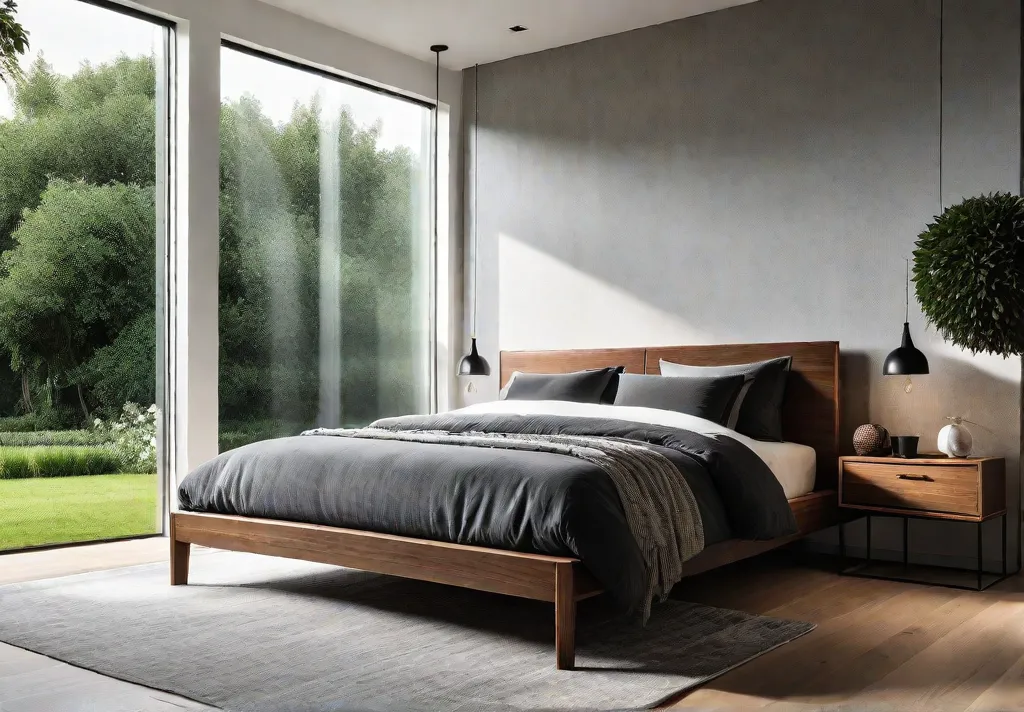
Embracing minimalist decoration hinges significantly on the principles of decluttering and organization. The essence of minimalism is not just about having fewer possessions but also about creating harmonious spaces that promote peace and functionality. This section delves into effective methods for decluttering and organizing your living spaces while adhering to the minimalist aesthetic.
A well-decluttered space is not merely devoid of items; it reflects intentional choices that contribute to a tranquil environment. The following methods focus on removing unnecessary clutter while emphasizing the beauty of simplicity in design.
Evaluating Items for Necessity and Emotional Value
When decluttering, it’s essential to evaluate each item based on its necessity and emotional value. This process involves looking beyond the physical presence of objects and considering their relevance in your life. The following steps can guide you in this evaluation:
1. Identify Categories: Begin by categorizing your belongings into groups such as clothing, kitchenware, books, and sentimental items. This makes it easier to assess the items within a specific context.
2. Ask Key Questions: For each item, ask yourself:
– Have I used this in the past year?
– Does it serve a purpose or function in my daily life?
– Does it bring me joy or hold significant emotional value?
3. Create Keep, Donate, and Discard Piles: As you assess each item, create three distinct piles—one for items you wish to keep, another for those to donate, and a final one for things that should be discarded.
4. Limit Sentimental Items: If you have several items with sentimental value, consider limiting yourself to a few that truly represent those memories. This helps preserve the emotional connection without overwhelming your space.
The goal is to curate a collection of items that reflects your life and values, rather than accumulating possessions.
Maintaining a minimalist home involves consistent organization practices that ensure your space remains clutter-free. One effective strategy is the ‘one in, one out’ rule. This approach encourages mindful consumption by requiring you to remove an existing item from your home whenever you acquire something new. Below are additional strategies to keep your minimalist home organized:
Strategies for Maintaining an Organized Minimalist Home
Implementing the following strategies can help maintain the orderliness of your minimalist space while fostering a lifestyle that appreciates simplicity:
– Establish Designated Spaces: Assign specific areas for each category of items, ensuring that everything has a home. This makes it easier to locate things and return them to their rightful place.
– Regular Check-ins: Schedule regular times (monthly or quarterly) to reassess the items in your home. This helps to catch any accumulation of unnecessary items before it becomes overwhelming.
– Adopt a Minimalist Mindset: Cultivate a mindset that values quality over quantity. Before purchasing new items, consider their long-term usefulness and impact on your living space.
– Use Multi-functional Furniture: Invest in furniture pieces that serve multiple purposes, such as a coffee table with storage or a bed with drawers underneath. This maximizes space without adding clutter.
By integrating these techniques into your routine, you can foster an organized, serene environment that embodies the minimalist ethos, allowing you to enjoy the beauty of simplicity in your living spaces.
Common misconceptions about minimalist decoration can lead to misinterpretation
Many people hold misbeliefs about minimalist decoration that can deter them from exploring its vast potential. The idea that minimalism is synonymous with coldness or a lack of personality is a prevalent misconception. In reality, minimalist design is about creating spaces that are not only functional but also inviting and aesthetically pleasing, allowing for a deep connection with the environment. By debunking these myths, we can appreciate the richness that minimalist decoration offers.
There is often confusion regarding the characteristics of minimalist decoration in comparison to other design styles. Minimalism is defined by its emphasis on simplicity, functionality, and sustainability, while other styles may prioritize elaborate details or ornamentation. Understanding these distinctions helps clarify how minimalism can be both stylish and practical in our everyday lives.
Misconceptions about Minimalism
Several myths surrounding minimalist decoration can lead to misinterpretations that hinder individuals from fully embracing the style. Here are some prevalent misconceptions:
-
Minimalism is cold and uninviting.
In truth, a minimalist space can evoke warmth and comfort through thoughtful use of textures, natural materials, and subtle color palettes that promote a welcoming atmosphere.
-
Minimalism means sacrificing comfort for aesthetics.
On the contrary, minimalism encourages a balance between functionality and aesthetic appeal, allowing for comfortable furniture and cozy elements that enhance the living experience.
-
Minimalist spaces are boring and lack personality.
Minimalism allows for personal expression through chosen decor, art, and arrangements, which can add character without overwhelming the space.
-
Minimalism requires extreme simplicity.
While minimalism values simplicity, it does not necessitate an austere environment. One can incorporate essential items that reflect personal style while maintaining a clean and uncluttered look.
Balancing functionality and aesthetic appeal within a minimalist framework is essential for creating a harmonious environment. This balance is achieved by selecting furniture that serves a purpose while also contributing to the overall design aesthetic. For instance, a beautifully crafted wooden table can become a focal point while offering practical use during gatherings. Additionally, incorporating plants or art pieces can add visual interest without cluttering the space, making it feel vibrant and alive.
In summary, addressing and correcting these misconceptions can open the door for more people to experience the benefits of minimalist decoration. Understanding its unique characteristics and the balance it promotes can lead to well-designed, inviting, and functional spaces that truly reflect individual styles and needs.
Integrating personal style into minimalist decoration allows for creative expression
Minimalist decoration is often characterized by simplicity and functionality, but it doesn’t have to be devoid of personality. Adding personal touches can transform a minimalist space into a unique reflection of one’s style without overwhelming its inherent simplicity. This approach balances aesthetics and functionality, making the space both inviting and distinctly yours.
Incorporating personal elements into minimalist design requires a thoughtful selection of items that complement the overall theme while enhancing individual expression. To achieve this, it is essential to choose decor that aligns with minimalist principles—favoring quality over quantity and ensuring that each piece serves a purpose or tells a story. Elements such as art, textiles, and even furniture can enhance a minimalist environment without cluttering it.
Incorporating personal touches through art and decor
Art and decor play a pivotal role in personalizing minimalist spaces. Choosing the right pieces can enhance the aesthetic while keeping the design uncomplicated. Here are a few ways to effectively incorporate art and decor while adhering to minimalist principles:
1. Select Statement Art Pieces: A large canvas or a striking sculpture can serve as a focal point in a minimalist room. For example, a single abstract painting in bold colors can add vibrancy to a neutral palette without overwhelming the space.
2. Utilize Natural Elements: Incorporating plants can bring life to a minimalist environment. A single tall plant in a sleek pot can enhance the natural beauty of the space while remaining unobtrusive.
3. Choose Textured Fabrics: Layering different textures can add depth without clutter. A soft wool throw or a linen cushion can introduce warmth and comfort. For instance, a simple monochromatic sofa adorned with a textured blanket creates a cozy yet minimal look.
4. Display Personal Collections Sparingly: A small collection of cherished items, like vintage books or handmade pottery, can be showcased on a single shelf. Limit the display to a few well-chosen pieces that resonate with your personality to maintain the minimalist ethos.
5. Incorporate Meaningful Objects: Items with sentimental value can personalize a space significantly. A travel souvenir or a family heirloom, when placed thoughtfully, can narrate your story without crowding the environment.
Creating a cohesive look that marries minimalism with individual personality involves a few key guidelines:
– Choose a consistent color palette that reflects your style while adhering to minimalist tones—neutral shades often work best.
– Limit the number of decorative items to maintain openness and balance; ensure each piece can stand out.
– Be intentional about placement, ensuring that each item has a purpose or connection to your story.
– Aim for a mix of materials and shapes that add interest without creating visual chaos.
By following these principles, you can effectively integrate your personal style into a minimalist decor scheme that is both visually appealing and uniquely yours, demonstrating that less can indeed be more.
Sustainable approaches to minimalist decoration promote eco-friendly living
Minimalist decoration not only emphasizes simplicity but also aligns with sustainable living by advocating for reduced waste and resource consumption. By focusing on the essentials, minimalism encourages individuals to make intentional decisions about the materials they use, ultimately promoting a lifestyle that respects the environment.
The connection between minimalism and sustainability is rooted in the reduction of excess. When individuals embrace a minimalist aesthetic, they tend to buy fewer items, which translates to less waste generated from discarded products and packaging. This conscious consumption helps minimize the carbon footprint associated with manufacturing and disposing of goods. Furthermore, this ideology supports a lifestyle that seeks longevity over novelty, reinforcing the importance of quality in the items we choose to surround ourselves with.
Eco-friendly materials and practices in minimalist decoration
Integrating eco-friendly materials and sustainable practices into minimalist decoration not only enhances the aesthetic appeal but also fosters an environmentally responsible mindset. Here are some materials and practices that resonate with minimalist design while being conscious of the planet:
- Bamboo: Known for its rapid growth and renewability, bamboo is a versatile material used for furniture, flooring, and decorative accents, providing a sustainable alternative to traditional hardwood.
- Recycled metals: Using recycled metals for fixtures and décor reduces waste and energy consumption from newly extracted materials, making it a stylish yet eco-friendly choice.
- Natural fibers: Fabrics such as organic cotton, linen, and hemp not only offer a minimalist aesthetic but also are biodegradable and free from harmful chemicals, contributing to a healthier indoor environment.
- Low-VOC paints: These paints minimize harmful emissions while maintaining a clean and fresh look, aligning with the minimalist principle of simplicity and health-conscious living.
Incorporating these materials not only aligns with minimalist principles but also promotes a sense of responsibility towards the environment. The fusion of aesthetics and sustainability creates spaces that are not only beautiful but also nurturing for both occupants and the planet.
Case studies of successful minimalist designs exemplifying green living principles
Several inspiring examples highlight how minimalist design can promote sustainable living. These case studies showcase how innovative approaches can lead to harmonious living spaces that are both functional and environmentally friendly.
One such example is the *Tiny House Movement*, which emphasizes compact living spaces designed with minimal waste and maximum efficiency. These homes often utilize reclaimed materials and energy-efficient systems, showcasing how less can truly be more. The minimalist design allows for a smaller physical footprint, encouraging a lifestyle that prioritizes experiences over possessions.
Another notable case is the *Helsinki Central Library Oodi* in Finland, a structure that embodies sustainable architecture while providing a minimalist aesthetic. It utilizes sustainable building materials and advanced energy-efficient technologies, emphasizing natural light and open spaces. Oodi serves as a public space that fosters community interaction while maintaining a commitment to eco-friendly practices.
These case studies illustrate that minimalist decoration can serve as a catalyst for sustainable living, proving that a commitment to reduced consumption and thoughtful design can create impactful change in our environments and lifestyles.
Future trends in minimalist decoration can shape upcoming design philosophies
The evolution of minimalist decoration continues to be influenced by a multitude of factors, including technological advancements and changing cultural perspectives. As we look ahead, several emerging trends are poised to redefine minimalist design, making it not only a style choice but a reflection of our evolving lifestyles and values.
Emerging trends in minimalist decoration
The integration of technology into minimalist design is becoming increasingly prominent. Smart home technology allows for a seamless blend of functionality and aesthetics, enabling spaces that are intuitive and efficient without compromising the minimalist ethos. For instance, homes equipped with smart lighting systems can adjust ambiance based on mood or time of day, creating a versatile living environment. Additionally, the rise of multifunctional spaces reflects the need for adaptability in urban living.
Urban environments, characterized by limited space, are leading to innovative designs that prioritize versatility. This shift encourages the use of furniture that serves multiple purposes, such as a sofa that converts into a bed or a table that expands for dining. Such designs not only maximize space but also align with the minimalist principle of reducing clutter.
Cultural shifts influencing minimalist design
Cultural attitudes towards consumption and sustainability are significantly shaping the future of minimalist decoration. As individuals become more conscious of their ecological footprint, there is a growing preference for sustainable materials and practices. This shift manifests in the use of recycled materials or locally sourced items that support the environment while maintaining a clean, minimalist aesthetic.
Furthermore, the influence of global cultures leads to a fusion of styles within minimalist design. For example, Scandinavian design principles emphasize simplicity and functionality, which resonate well with contemporary preferences for uncluttered spaces. The result is a dynamic evolution where minimalist design is not static but rather an amalgamation of diverse influences that reflect our interconnected world.
Comparing past minimalist movements with current trends
Historically, minimalist design has been marked by stark simplicity and a focus on essential forms, as seen in the Bauhaus movement and Japanese Zen aesthetics. However, contemporary trends are characterized by a more personalized approach, where individuals infuse their unique identities into minimalist spaces. This shift indicates a move away from the purely functional towards a balance of personal expression and simplicity.
Current trends also emphasize the importance of emotional well-being in design. The notion of “biophilic design,” which incorporates natural elements into interiors, is a testament to this. By integrating natural light, plants, and organic materials, spaces become more inviting while adhering to minimalist principles.
The future of minimalist design is not just about less; it’s about more meaningful interactions with our environments.
The juxtaposition of past and present minimalist movements reveals a trajectory towards a more holistic and user-centric approach. As we look to the future, the intertwining of technology, culture, and personal expression will undoubtedly continue to shape the minimalist aesthetic, making it a responsive and relevant choice for modern living.
Final Summary
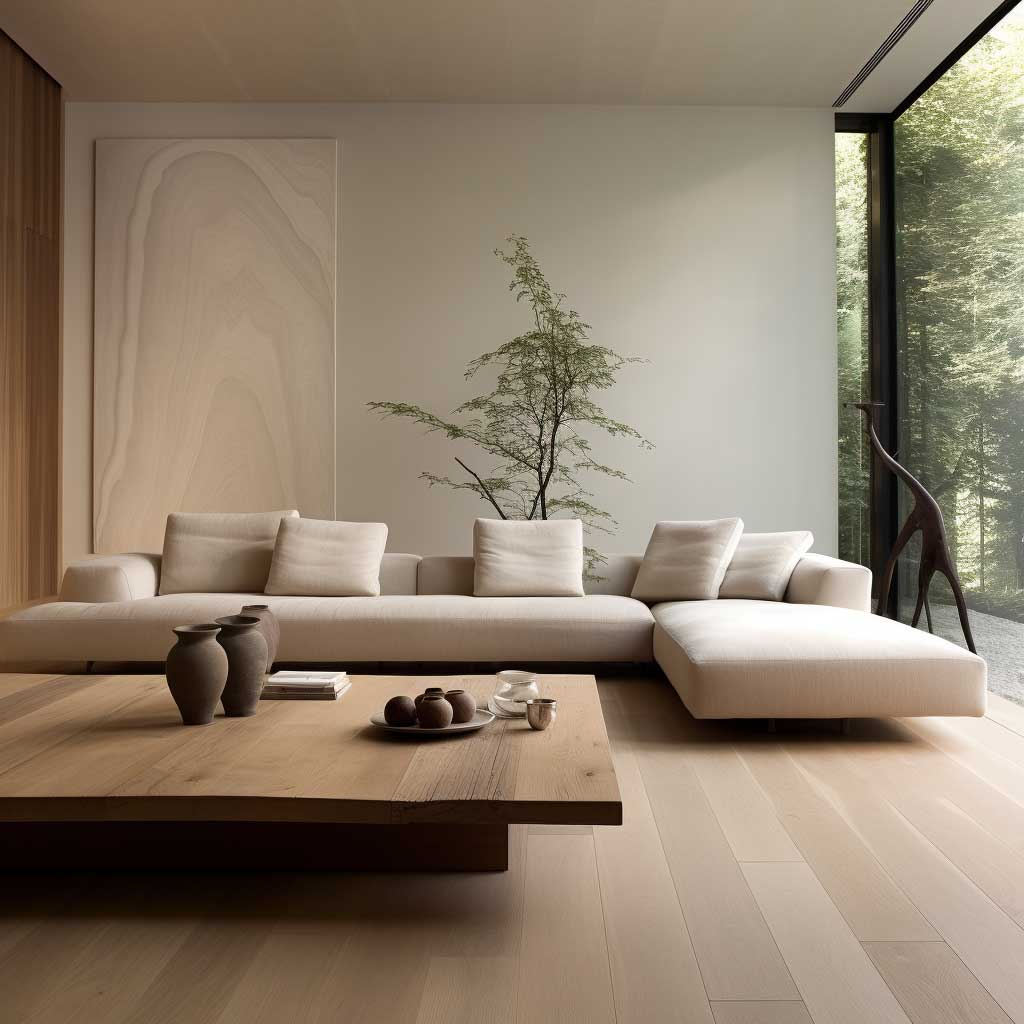
In summary, embracing minimalist decoration can lead to a more serene and sustainable lifestyle. By decluttering our spaces and focusing on the essentials, we not only enhance our surroundings but also improve our mental state. As we look toward the future, minimalist decoration will continue to adapt, blending personal style with eco-friendly practices and innovative design trends.
Essential FAQs
What are the key principles of minimalist decoration?
The key principles include simplicity, functionality, and the use of neutral color palettes, emphasizing open space and light.
Can minimalist decoration work in small spaces?
Yes, minimalist decoration is particularly effective in small spaces as it creates a sense of openness and reduces visual clutter.
How can I incorporate personal style into a minimalist space?
Personal style can be added through carefully selected art or decor items that complement the minimalist aesthetic without overwhelming it.
Is minimalist decoration expensive to implement?
Minimalism can be budget-friendly, focusing on quality over quantity, and encourages repurposing or upcycling items instead of buying new.
What are some common misconceptions about minimalism?
A common misconception is that minimalism is cold and uninviting; however, it can be warm and personal when executed thoughtfully.