
 Widya pasha
Interior design isn’t just about making spaces look pretty; it’s about crafting environments that enhance our daily lives. By understanding the fundamentals of design, we can create spaces that reflect our personalities while also serving functional purposes. From the interplay of colors to the selection of furniture, every decision counts in achieving a harmonious balance.
This field encompasses a variety of styles ranging from minimalism to bohemian, each offering unique characteristics and aesthetic appeal. Moreover, interior design involves critical components like space planning and lighting, which significantly influence how we experience our surroundings. Whether it’s optimizing a small apartment or enhancing a commercial space, the principles of interior design play a pivotal role in shaping our interactions with the environments we inhabit.
Understanding the Fundamentals of Interior Design
Interior design is both an art and a science, combining creativity with practical considerations to create functional, aesthetically pleasing spaces. Understanding the core principles of interior design is essential for achieving a harmonious environment that reflects personal style while catering to everyday needs. Key principles such as balance, harmony, and proportion play critical roles in shaping design decisions and enhancing the overall experience of a space.
Core Principles of Interior Design
Balance in interior design refers to the distribution of visual weight within a space. It can be achieved through symmetrical arrangements, where elements are evenly distributed on either side of an axis, or asymmetrical arrangements that create a more dynamic look. Harmony involves creating a cohesive environment where all elements function together seamlessly, while proportion pertains to the size relationships between objects. For instance, pairing a large sectional sofa with understated side tables can achieve a pleasing proportional balance.
Color theory is pivotal in creating a cohesive space, influencing moods and perceptions. By carefully selecting color palettes, designers can evoke emotions and set the tone for a room. A monochromatic palette, using variations of a single color, can create a serene atmosphere, while complementary colors, such as blue and orange, can add vibrancy and interest to a space. For example, a living room adorned with soft grays and blues can evoke calmness, while the strategic use of bright accents, like a sunny yellow throw pillow, can infuse energy and warmth.
Functionality and aesthetics are two sides of the same coin in interior design. Functionality ensures that spaces can be utilized effectively, while aesthetics cater to the visual appeal. A kitchen designed for efficiency may prioritize layout and storage solutions, incorporating elements like deep drawers and an island for prep work. In contrast, the selection of materials and finishes—like sleek quartz countertops and stylish pendant lights—enhances the visual allure. For instance, a family-friendly living room might combine a durable, stain-resistant fabric for the sofa with elegant decorative cushions and a low-maintenance coffee table that is both stylish and practical.
In essence, the fundamentals of interior design encompass a thoughtful approach, blending balance, harmony, proportion, color theory, functionality, and aesthetics to create spaces that are not only beautiful but also liveable.
Exploring Different Interior Design Styles
Interior design is a multifaceted discipline that reflects personal taste and cultural influences. As we delve into various styles, we discover how they express unique identities and aesthetics. Understanding these styles can help both homeowners and designers create spaces that resonate with their vision.
Distinct Interior Design Styles
There are several prominent interior design styles that have gained popularity, each with its unique characteristics and appeal. Below are five distinct styles:
- Minimalism: This style emphasizes simplicity and functionality, featuring clean lines, open spaces, and a monochromatic palette. Furnishings are kept to a minimum, and every element serves a purpose, promoting a sense of calm and order.
- Bohemian: The Bohemian style is known for its eclectic mix of colors, patterns, and textures. It often incorporates vintage furniture, artisanal decor, and a variety of cultural elements, creating a laid-back, personalized environment that reflects the homeowner’s travels and experiences.
- Industrial: Characterized by raw materials and an urban feel, the Industrial style showcases exposed brick, metal fixtures, and reclaimed wood. It often draws inspiration from warehouses and factories, creating a chic, edgy vibe that appeals to modern urban dwellers.
- Scandinavian: Rooted in functionality and simplicity, Scandinavian design features light colors, natural materials, and minimalistic furnishings. The focus is on creating a cozy and inviting atmosphere, often enhanced by natural light and greenery.
- Mid-Century Modern: This style celebrates the design innovations of the mid-20th century, combining organic forms with functional design. It includes iconic furniture pieces, bold colors, and an emphasis on simplicity, encapsulating a sense of nostalgia while being remarkably contemporary.
Comparison of Traditional and Contemporary Interior Design Elements
The distinction between traditional and contemporary interior design lies in their aesthetic principles and target audiences. Traditional design often features classic furniture, ornate details, and rich textures, appealing to those who appreciate history and timeless elegance. In contrast, contemporary design embraces a more fluid approach, characterized by innovative materials, bold colors, and an emphasis on sustainability. This style resonates with a modern audience seeking comfort blended with current trends.
Cultural Influences on Interior Design Styles
Cultural backgrounds play a significant role in shaping interior design styles around the globe. Each region’s unique traditions, materials, and crafts influence how spaces are decorated.
- Japanese Zen: Japanese design emphasizes simplicity, natural elements, and a connection with nature, often utilizing sliding doors and tatami mats to create tranquil spaces that promote mindfulness.
- Mediterranean: This style draws from coastal regions, featuring warm colors, terracotta tiles, and wrought iron accents. The architecture often includes arches and courtyards, creating inviting outdoor spaces.
- African Tribal: African design incorporates vibrant colors, intricate patterns, and handcrafted artifacts. Textiles and sculptures reflect the rich cultural heritage, creating spaces that tell stories and celebrate community.
- Indian Traditional: Indian interior design is characterized by ornate carvings, rich textiles, and bold colors. These elements reflect the country’s diverse culture and traditions, creating warm and inviting atmospheres.
- Scandinavian Hygge: Emphasizing coziness and well-being, Scandinavian Hygge design focuses on comfort and warmth, incorporating soft textiles, warm lighting, and natural elements to create a homely environment.
Understanding various interior design styles can significantly enhance one’s ability to create spaces that not only look good but also feel right.
The Role of Space Planning in Interior Design
Space planning is a critical aspect of interior design that focuses on the arrangement and functionality of a space. It allows designers to maximize the use of available square footage, ensuring that each room serves its intended purpose efficiently. Effective space planning considers human interactions within the space, ensuring that movement flows seamlessly while the aesthetics are also taken into account. This thoughtful approach not only enhances the functionality of a room but also enriches the overall user experience.
Proper space planning involves various methods for creating efficient layouts that align with the needs of the occupants. One of the key methods is the use of zoning, which involves dividing a room into functional areas based on usage. For instance, in a living room, you might have distinct areas for seating, entertainment, and reading. This zoning ensures that each area is tailored to its function, allowing for better organization and accessibility. Another important method is the consideration of traffic flow, ensuring that pathways are clear and unobstructed, which enhances comfort and usability.
Step-by-Step Guide to Creating a Floor Plan
Creating a floor plan is an essential step in space planning, providing a visual representation of the layout of a room. Here’s a straightforward guide to developing an effective floor plan:
1. Measure the Space: Begin by accurately measuring the dimensions of the room—length, width, and height. Use a tape measure, and don’t forget to measure doorways, windows, and any architectural features that may impact layout.
2. Draft a Rough Sketch: On graph paper or using software, sketch the basic shape of the room. Include all fixed features like windows, doors, and utilities.
3. Consider Functional Zoning: Identify how you want to use the space. Allocate areas for different functions, keeping in mind the activities that will take place in each zone.
4. Place Furniture: Start placing furniture in your plan, ensuring that the arrangement supports comfortable movement and flow between areas.
5. Check Traffic Flow: Ensure there are clear pathways for movement. Typically, a minimum of 24 inches of clearance is recommended for pathways.
6. Revise and Iterate: Make adjustments as necessary, testing different configurations until you find one that maximizes usability and aesthetic appeal.
Accurate measurement is key to a successful floor plan. Utilize the following tips for effective measuring:
– Measure from the furthest corners to avoid inaccuracies.
– Record measurements in a consistent unit (inches or centimeters).
– Double-check measurements before drafting to prevent errors.
Utilization of Virtual Design Tools
Incorporating technology into space planning can significantly enhance the design process. Virtual design tools allow for effective space planning and layout visualization, providing a platform to experiment with different configurations without physical alterations. These tools often offer features such as 3D modeling, which enables designers and clients to visualize the space from various angles.
Popular virtual design tools include software like SketchUp, RoomSketcher, and AutoCAD. These tools facilitate the following:
– 3D Visualization: Users can create realistic 3D models, helping to visualize how furniture and decor will look in the space.
– Drag-and-Drop Functionality: Most tools allow for easy manipulation of furniture and fixtures to test different layouts quickly.
– Real-Time Editing: Changes can be made instantly, enabling faster revisions and more collaboration between designers and clients.
– Integration with Augmented Reality: Some advanced tools allow users to project their designs into real-world environments using AR, creating a more immersive experience.
In essence, space planning is not merely about making a room look good; it is about creating spaces that function effectively and cater to the needs of those who inhabit them. By implementing strategic planning methods and utilizing modern design tools, interior designers can craft environments that are not only aesthetically pleasing but also highly functional.
The Impact of Lighting on Interior Spaces
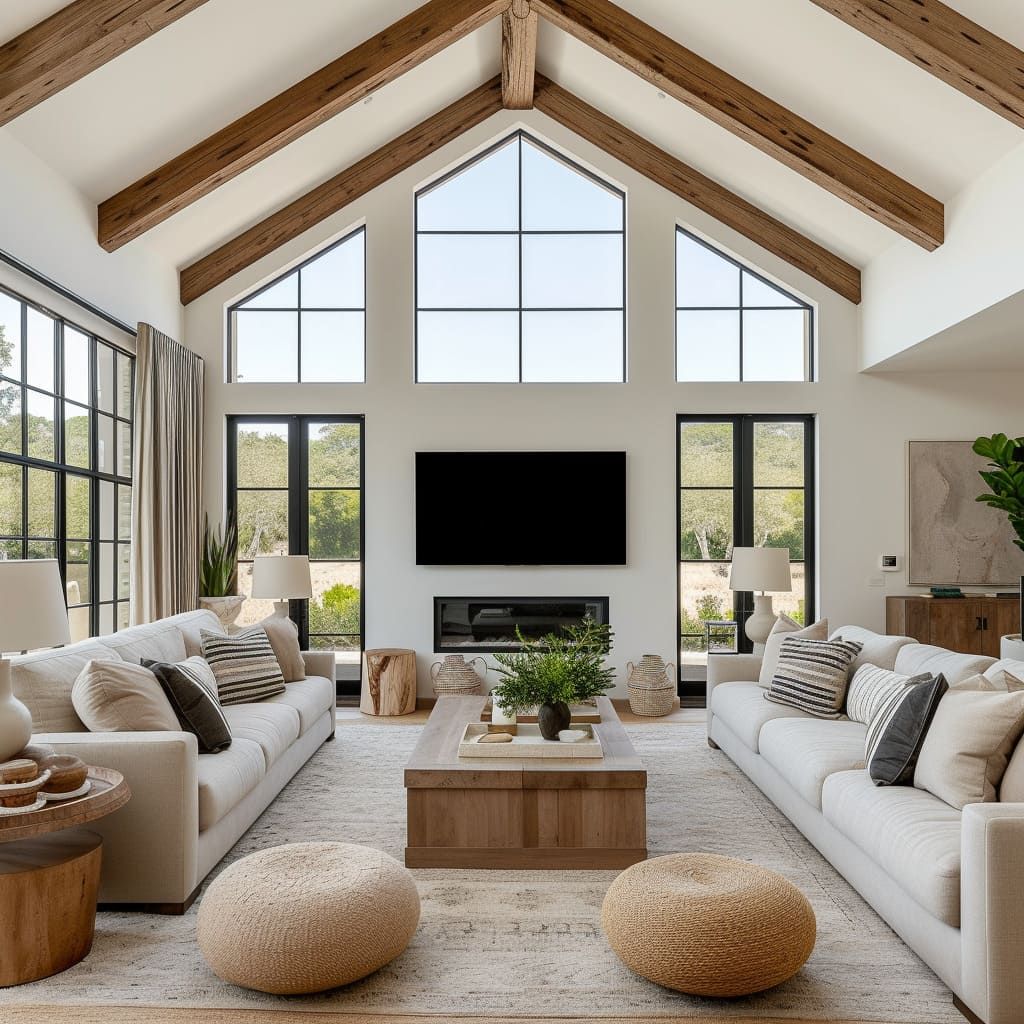
Lighting is a critical element in interior design that goes beyond mere functionality. It shapes the way we experience a space, influencing mood, functionality, and aesthetics. By understanding the different types of lighting and how to harness both artificial and natural light, designers can create spaces that not only look appealing but also feel inviting and comfortable.
Lighting can be categorized into three main types: ambient, task, and accent. Each type serves a distinct purpose within interior spaces. Ambient lighting is the foundational layer of light that fills a room, providing a general illumination that allows occupants to navigate safely. This type can be achieved through ceiling fixtures, wall sconces, or even large windows that let in natural light. Task lighting, on the other hand, is focused on specific activities, such as reading, cooking, or working. Desk lamps, under-cabinet lights, and pendant fixtures above work areas are examples of effective task lighting. Lastly, accent lighting is used to highlight particular features in a room, such as artwork, architectural details, or plants. Spotlights, track lighting, and decorative wall-mounted fixtures are common choices for accent lighting. Together, these three types create a balanced lighting scheme that enhances both the functionality and visual appeal of a space.
Harnessing Natural Light
Natural light is an invaluable asset in interior design, contributing to energy efficiency and the overall ambiance of a space. Proper window design can significantly enhance the flow of natural light throughout a room. Considerations for window placement include size, shape, and orientation to the sun. Large, strategically placed windows can maximize daylight, while skylights can bring light into areas that might otherwise be dark. Additionally, the use of reflective surfaces, such as mirrors and glossy finishes, can help disperse natural light deeper into the room, creating a brighter and more open feel.
The psychological effects of lighting on mood and atmosphere cannot be understated. Bright, well-lit environments tend to evoke feelings of energy and optimism, while dimmer, warmer lighting can promote relaxation and coziness. Studies have shown that exposure to natural light can boost mood, increase productivity, and even improve overall well-being. In contrast, poor lighting can lead to feelings of fatigue and discomfort. Therefore, thoughtful selection and placement of lighting are essential for creating spaces that nurture positive emotional experiences.
“Light is to the human body what water is to a plant.” – Anonymous
Selecting and Coordinating Furniture and Decor
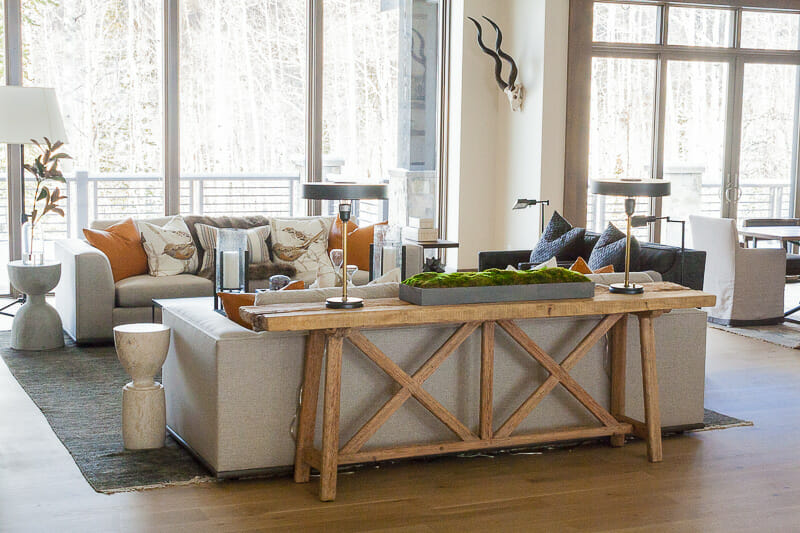
When it comes to interior design, the selection and coordination of furniture and decor play a pivotal role in defining the overall ambiance of a space. A well-thought-out arrangement enhances not only the aesthetic appeal but also the functionality of a room, ensuring that comfort and usability are at the forefront. This guide will delve into the essential components of furniture selection, the significance of scale and proportion, and effective accessorizing techniques.
Framework for Selecting Furniture
Choosing furniture that aligns with a specific design style requires a strategic approach. Each design style, whether it’s modern, traditional, or eclectic, has unique characteristics that should be reflected in your furniture choices. Here are several key points to consider when selecting your pieces:
- Design Style Alignment: Furniture should resonate with the overall design theme. For instance, a mid-century modern style emphasizes clean lines and organic shapes, while a rustic style might focus on reclaimed wood and natural textures.
- Comfort and Usability: Prioritize pieces that are not only visually appealing but also comfortable. Test furniture for seating comfort and functionality, especially in high-use areas.
- Material Consideration: Select materials that complement your design style while considering durability and maintenance. For example, leather upholstery offers elegance and is easy to clean, making it perfect for modern spaces.
- Color Coordination: Choose colors that harmonize with your existing palette. Neutral tones can provide a versatile base, while bold colors can be used as statement pieces.
Importance of Scale and Proportion
Understanding scale and proportion is crucial when arranging furniture within any space. Ensuring that furniture fits well within the dimensions of the room creates a balanced and inviting atmosphere. For example, oversized furniture in a small room can make the space feel cramped, while tiny pieces in a large room may lead to a disjointed look. Here are some factors to consider:
- Room Size: A spacious living room can accommodate larger sectional sofas or statement chairs, whereas a compact studio apartment may require smaller, multifunctional pieces.
- Furniture Height: Varying heights among furniture pieces can create visual interest. For instance, pairing a low-profile sofa with a tall bookshelf can enhance depth perception.
- Spacing: Ensure there is adequate space between furniture pieces for movement. A general rule is to allow at least 18 inches between coffee tables and seating.
“Proportion is the relationship between the parts of a whole, while scale refers to the size of an object in relation to its surroundings.”
Accessorizing with Artwork, Textiles, and Decor Items
Accessories are the finishing touches that bring personality and warmth to a space. Thoughtful accessorizing can elevate a room’s aesthetic and reflect individual style. Consider these tips when adding artwork, textiles, and decor items:
- Artwork Selection: Choose pieces that resonate with your personality and complement the room’s color scheme. Large canvases can serve as focal points, while smaller artworks can be grouped for a gallery effect.
- Textile Variety: Incorporate a mix of textures and patterns through rugs, cushions, and throws. Layering different textiles can add depth and comfort to your design.
- Decor Items Arrangement: Use decor items like vases, books, and sculptures to add character. Group items in odd numbers and vary their heights for a more engaging display.
Incorporating these strategies will not only enhance the visual appeal of your space but will also create a comfortable and inviting environment tailored to your lifestyle. Remember, the goal is to blend style with substance, ensuring that your selections are as functional as they are beautiful.
Sustainable Practices in Interior Design
Sustainable design has emerged as a crucial aspect of modern interior design, reflecting a growing awareness of environmental issues and the need for responsible consumption. By integrating eco-friendly materials and practices, designers not only create beautiful spaces but also contribute to the overall well-being of our planet. This approach is relevant in today’s design landscape as it resonates with environmentally-conscious consumers who prioritize sustainability.
Incorporating sustainable practices into interior design involves selecting materials and methods that reduce environmental impact while enhancing aesthetic appeal. Utilizing eco-friendly materials is a significant aspect of this approach, as it encourages the use of resources that are renewable, recycled, or have minimal harmful effects on the environment. For instance, materials such as bamboo, reclaimed wood, and recycled metals not only provide durability and charm but also promote sustainability by reducing waste and the demand for new resources.
Eco-Friendly Materials in Interior Design
Selecting the right materials is essential for creating sustainable interiors. The following materials provide excellent eco-friendly alternatives:
- Bamboo: Known for its rapid growth and renewability, bamboo is a highly sustainable material that can be used for flooring, furniture, and decorative elements.
- Reclaimed Wood: This material repurposes timber from old buildings, reducing waste and the need for new lumber while providing unique character to design.
- Recycled Metals: Utilizing recycled aluminum or steel can drastically reduce energy consumption compared to producing new metals, making them a great choice for fixtures and furnishings.
- Low-VOC Paints: These paints emit fewer volatile organic compounds, which contributes to healthier indoor air quality and minimizes environmental pollution.
In addition to materials, incorporating energy-efficient appliances and fixtures plays an important role in sustainable interior design. The following methods can be utilized to enhance energy efficiency in both residential and commercial spaces:
Energy-Efficient Appliances and Fixtures
Adopting energy-efficient solutions not only reduces utility bills but also contributes to a smaller carbon footprint. Consider the following methods for integrating these features into your design:
- LED Lighting: Switching to LED lights can significantly lower energy usage and result in longer-lasting illumination, offering both financial savings and environmental benefits.
- Energy Star Appliances: Choosing appliances that meet Energy Star standards ensures they consume less energy without sacrificing performance.
- Smart Thermostats: These devices optimize heating and cooling systems based on occupancy and preferences, leading to substantial energy savings.
- Low-Flow Fixtures: Installing low-flow faucets, showerheads, and toilets can greatly reduce water consumption, promoting sustainability in both design and function.
Sourcing Local Materials and Artisans
Sourcing materials and labor locally is an effective strategy for promoting sustainability in interior design. This practice supports local economies, reduces transportation emissions, and fosters a sense of community. By choosing local artisans and products, designers can ensure that their projects reflect the unique culture and character of the area while minimizing environmental impact.
Utilizing local materials not only contributes to sustainability but also often results in higher quality and craftsmanship. For example, using locally sourced stone or wood can provide distinctive textures and aesthetics that enhance the overall design. Collaborating with local artisans can introduce unique, handcrafted elements, ensuring each space is one-of-a-kind while also supporting the local economy.
In summary, sustainable practices in interior design are essential for creating environmentally responsible and aesthetically pleasing spaces. By focusing on eco-friendly materials, energy-efficient solutions, and local sourcing, designers can significantly impact both their projects and the broader community.
Current Trends Influencing Interior Design
In the ever-evolving world of interior design, several trends are shaping spaces and lifestyles. As we move through 2023, it is crucial to explore how these trends not only elevate aesthetic appeal but also enhance the functionality of our living and working environments. Key trends such as biophilic design and smart home integration are making their mark, while social media continues to redefine design inspirations and consumer choices.
Emerging Trends in Interior Design
Biophilic design, which emphasizes the connection between nature and indoor environments, is gaining traction. This approach incorporates natural elements such as plants, natural light, and water features, creating calming and restorative spaces. Smart home integration is another significant trend, with technology seamlessly woven into everyday living. Homes equipped with smart lighting, thermostats, and security systems offer convenience and energy efficiency, appealing to modern homeowners.
The implications of these trends are profound, as they cater not only to aesthetic desires but also to health and well-being. Biophilic design can reduce stress and improve mood, while smart technology enhances security and comfort. For instance, the adoption of smart thermostats has been reported to reduce energy costs by up to 10-12%, showcasing how functionality is intertwined with design.
Influence of Social Media on Interior Design
Social media platforms have transformed how individuals discover and engage with interior design. Instagram, Pinterest, and TikTok are at the forefront of this movement, serving as visual inspiration hubs. Influencers and designers showcase their work, trends, and DIY projects, allowing followers to curate their dream spaces from their feeds.
Popular Instagram accounts, like those of designers such as Emily Henderson and Studio McGee, illustrate the power of curated aesthetics, often setting trends that ripple through the industry. TikTok’s rapid content format has also given rise to trends such as “room transformation” videos, which encourage creative approaches to home decor. These platforms drive consumer choices, making design inspiration accessible and tailored to individual preferences.
Demographic Preferences in Design Trends
Understanding demographic influences on design trends is essential. Millennials and baby boomers exhibit distinct preferences that shape the market. Millennials tend to favor minimalism, sustainability, and multifunctional spaces, reflecting their values of efficiency and environmental consciousness. They are drawn to open layouts, vibrant colors, and unique, thrifted furnishings that tell a story.
Conversely, baby boomers often prioritize comfort and traditional aesthetics. They prefer more classic designs featuring rich textures and warm tones, focusing on creating cozy, inviting atmospheres. As they downsize, there’s an increasing demand for practical yet stylish designs that accommodate their lifestyle changes. This generational divide not only influences design choices but also affects the type of products and services offered in the market.
The intersection of these demographic insights reveals a dynamic industry where personal values and lifestyle changes are consistently shaping the future of interior design.
Challenges Faced by Interior Designers
The world of interior design is as rewarding as it is challenging. Designers must navigate a myriad of obstacles, from balancing client expectations to managing project logistics. Understanding these challenges is crucial for both budding and seasoned professionals in the industry.
Common Challenges in Residential Projects
Interior designers frequently encounter various challenges during residential projects. One of the primary issues is managing client expectations. Clients often have a vision that may not align with their budget or the practicalities of the space. To address this, designers can facilitate initial workshops where clients articulate their expectations and preferences, allowing designers to provide realistic options that fit within their constraints.
Another common challenge is dealing with unpredictable construction conditions. For instance, a designer may plan for a specific layout, only to find that structural elements or plumbing locations obstruct their vision. In such cases, flexibility and creativity are essential. Designers might develop alternative plans that maintain the aesthetic appeal while adapting to unexpected structural limitations.
Complexities of Collaboration with Clients and Contractors
Effective communication is vital to the success of any interior design project. Designers often face difficulties when collaborating with clients and contractors, primarily due to differing terminologies and expectations. Regular meetings can enhance understanding and ensure everyone is on the same page. Using visual aids, like mood boards or 3D renderings, can help bridge the gap between concepts and reality.
Best practices include setting clear communication channels. For example, utilizing project management software can keep all parties informed about timelines, responsibilities, and changes. It’s also important to document decisions and feedback to prevent any misunderstandings down the line.
Obstacles in Budget and Timeline Adherence
Staying within budget and timelines is a significant hurdle for interior designers. Unexpected expenses, such as material price increases or unforeseen construction issues, can derail even the best-laid plans. To counter these challenges, designers should establish a comprehensive budget that includes a contingency fund—typically around 10-20% of the total budget.
Timelines can also be affected by external factors, such as supply chain delays. To manage this, designers can create detailed project schedules with built-in buffer times. Regular check-ins with suppliers and contractors can help identify potential delays early, allowing for proactive adjustments to the schedule.
“Proper planning and open communication can turn challenges into opportunities for innovative solutions.”
Last Recap
In conclusion, interior design is a fascinating blend of creativity and practicality, encompassing a wide spectrum of styles, techniques, and sustainable practices. As we navigate current trends and tackle common challenges, the key remains in thoughtful planning and an eye for detail. Ultimately, the goal of interior design is to curate spaces that not only look beautiful but also nurture well-being and functionality in our everyday lives.
Questions Often Asked
What is the difference between interior design and interior decorating?
Interior design focuses on creating functional spaces by considering architecture and layout, while interior decorating is primarily about aesthetics and furnishings.
How can I incorporate sustainable practices into my interior design?
You can choose eco-friendly materials, use energy-efficient appliances, and source local artisans to minimize your design’s environmental impact.
What are some popular color schemes for interior design?
Popular color schemes include monochromatic, analogous, and complementary palettes that can enhance mood and style.
How do I choose the right furniture for my space?
Consider the scale, style, and comfort of furniture in relation to your space and existing decor to ensure a cohesive look.
What are the benefits of hiring a professional interior designer?
A professional designer can provide expert advice, save time, and help you avoid costly mistakes, ensuring a successful outcome for your project.