
 Widya pasha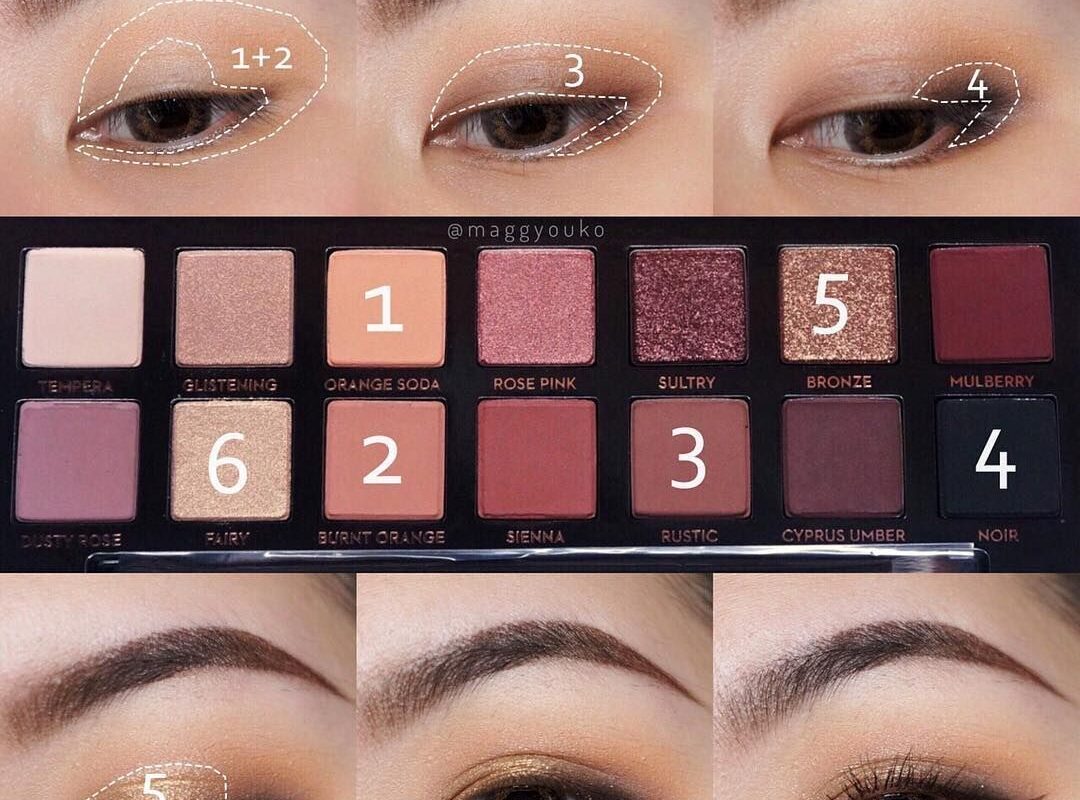
Eyeshadow palettes are a fundamental element in the world of makeup, offering endless possibilities for creativity and expression. Over the years, these palettes have transformed, mirroring trends, innovations, and the evolving tastes of makeup enthusiasts. From classic shades to bold hues, the journey of eyeshadow palettes is as dynamic as the industry itself, showcasing the artistry behind this beloved cosmetic staple.
The evolution of eyeshadow palettes reflects a blend of history, artistry, and consumer preference, leading to the diverse array of palettes available today. With each decade bringing its unique trends, the eyeshadow palette has not only become a tool for application but also a canvas for creativity. This exploration will delve into the various facets of eyeshadow palettes, from their historical roots to the modern techniques that allow users to achieve stunning looks.
The History of Eyeshadow Palettes in Makeup
The evolution of eyeshadow palettes has been a fascinating journey through the annals of beauty and fashion. From humble beginnings to the explosion of color and creativity in modern cosmetics, eyeshadow palettes have continually adapted to meet the desires and needs of makeup enthusiasts. The palette concept emerged as a practical solution, allowing users to have a variety of shades at their fingertips, making it easier to blend and achieve desired looks.
Historically, the use of color on the eyes dates back to ancient civilizations. The Egyptians were among the first to utilize kohl for eye makeup, often applying it to enhance their features and ward off evil spirits. However, true eyeshadow palettes, as we know them today, didn’t materialize until the 20th century. Initially, makeup was sold in single pots or pans, creating limited options for users. The introduction of compact palettes in the 1960s marked a significant turning point. These palettes provided a range of colors, allowing for more creativity and exploration in eye makeup.
Trends and Innovations in Eyeshadow Palette Design
Over the years, trends in eyeshadow palettes have mirrored broader cultural and fashion movements. The 1980s brought vibrant hues and bold colors, reflecting the era’s eclectic style. The 1990s saw a shift towards more muted tones and earthy shades, influenced by grunge and minimalism. The rise of social media in the 2000s revolutionized eyeshadow palettes, as beauty influencers began showcasing their makeup looks, prompting brands to create curated palettes that would appeal to diverse audiences.
Notable innovations have also played a crucial role in shaping palettes. The introduction of cream-to-powder formulas, matte finishes, and highly pigmented shades has transformed the way makeup is applied and worn. Brands like Urban Decay with their Naked series, Too Faced with the Chocolate Bar palette, and Anastasia Beverly Hills with the Modern Renaissance palette have become iconic in the beauty industry. These palettes not only offered a range of colors but also incorporated unique themes and packaging that attracted consumers.
Recognizable palettes have influenced makeup trends significantly. The Urban Decay Naked palette, launched in 2010, is often credited with sparking the neutral eyeshadow craze, while the Morphe palettes have garnered a reputation for their affordability and extensive shade ranges. Each of these palettes has left an indelible mark on the beauty landscape, showcasing how eyeshadow palettes have evolved from simple collections of color to essential tools for self-expression and artistry.
The Anatomy of an Eyeshadow Palette
The eyeshadow palette is a staple in the makeup collection of beauty enthusiasts, offering a comprehensive variety of colors and finishes to create diverse eye looks. Its design not only reflects aesthetic appeal but also functionality. Understanding the anatomy of an eyeshadow palette can enhance your application techniques, helping you to choose the right shades and finishes for every occasion.
At its core, an eyeshadow palette is composed of several essential components—shades, finishes, and packaging. Typically, palettes can include anywhere from a few to several dozen shadows arranged aesthetically. The arrangement of shades is often a deliberate design choice aimed at guiding the user in creating cohesive looks. The finish of each shadow greatly impacts the overall effect of the makeup, leading us to explore the various types of finishes available.
Types of Eyeshadow Finishes
Eyeshadow finishes play a pivotal role in achieving specific looks, influencing how colors appear on the skin. Each finish has distinct characteristics and purposes, catering to various styles and preferences. The common types of finishes include:
- Matte: These shadows have no shine and are ideal for creating depth, dimension, and a smooth blend. They work well for transitioning shades in the crease and are often favored for everyday looks.
- Satin: Satin finishes have a soft sheen that adds a touch of radiance without being overly shiny. They are perfect for highlighting the inner corners or brow bone while still keeping a natural appearance.
- Shimmer: Shimmer shadows contain fine sparkles that reflect light, making them great for adding drama and glamour to your eye makeup. They are often used on the eyelid to create a pop of color.
- Metallic: With a high-shine finish, metallic eyeshadows deliver bold color payoff and are excellent for evening looks or special occasions. They can be applied wet for an even more intense effect.
- Foiled: Foiled shadows have a creamy texture and provide an intense metallic finish. They are often used to make a statement and are best applied with a finger or damp brush for maximum pigmentation.
The choice of finish can significantly change the appearance of the overall makeup, enhancing features and creating different moods.
Color Theory in Palette Creation
Understanding color theory is crucial in the development of an eyeshadow palette, as it guides how colors interact with one another. This knowledge helps in selecting shades that complement or contrast beautifully, allowing makeup artists and enthusiasts to design stunning eye looks.
Color theory is based on the color wheel, which categorizes colors into primary, secondary, and tertiary hues. The relationship between these colors defines how they can be paired effectively.
- Complementary Colors: These are colors that are opposite each other on the color wheel. When used together, they create a vibrant look that can make each color pop. For instance, pairing a warm orange with a cool blue can create striking contrast.
- Analogous Colors: Found next to each other on the color wheel, these colors blend seamlessly, providing a harmonious and cohesive look. A palette featuring various shades of pink, red, and purple is a classic example.
- Triadic Colors: This scheme uses three colors that are evenly spaced around the wheel, such as red, yellow, and blue. This approach can add complexity to a look while maintaining balance.
The thoughtful combination of finishes and colors, guided by color theory principles, not only enhances the visual appeal of an eyeshadow palette but also empowers users to express their creativity through makeup.
How to Choose the Right Eyeshadow Palette for Skin Tone
Choosing the right eyeshadow palette can greatly enhance your overall look, but it’s crucial to consider your skin tone. Each individual’s unique complexion interacts differently with colors, making some shades pop while others may wash you out. Understanding your skin tone and undertone is the first step in selecting a palette that complements your features.
Different skin tones can significantly influence the choice of eyeshadow shades. Generally, skin tones are categorized into three groups: fair, medium, and deep. Fair skin often looks best with softer, cooler shades such as pastels, light pinks, and soft taupes. Medium skin can embrace a broader range of colors, including warm golds, corals, and vibrant jewel tones. For deep skin tones, rich and bold colors, like deep purples, blacks, and vibrant blues, usually create stunning contrasts that enhance the complexion.
Guidelines for Selecting Palettes Based on Undertones
Understanding your undertone is essential in selecting an eyeshadow palette that not only matches your skin tone but also highlights your natural beauty. Undertones can be classified as warm, cool, or neutral. Individuals with warm undertones should look for palettes that include earthy tones like terracotta, golds, and warm browns. Cool undertones are complemented by shades such as silvers, blues, and mauves. Those with neutral undertones can explore a mix of both warm and cool shades but might gravitate toward softer, muted colors that aren’t too overpowering.
When selecting palettes, consider the following points:
-
For warm-toned skin:
Opt for palettes with rich browns, burnt oranges, and warm golds.
-
For cool-toned skin:
Choose palettes that feature pinks, purples, and icy blues.
-
For neutral-toned skin:
Look for palettes that balance warm and cool shades, such as taupes and soft peach.
Makeup artists often share valuable tips on matching palettes to individual features. One recommended approach is to consider your eye color: for instance, warm brown eyes can look stunning with golds and coppers, while blue eyes pop with warm browns and oranges. A common practice is to test a few shades on your eyelid to see how they blend with your skin tone and reflect your personal style. Moreover, keeping in mind the occasion can also help; brighter colors for events and softer shades for daily wear can create a harmonious balance in your overall look.
In summary, understanding your skin tone and undertone is vital in selecting the right eyeshadow palette. By considering these factors, you can enhance your natural beauty and feel confident in your makeup choices.
Techniques for Applying Eyeshadow from a Palette
Applying eyeshadow from a palette opens up a world of creativity and expression. With various colors and finishes to choose from, mastering different application techniques can elevate your makeup game. Understanding how to utilize brushes and tools effectively is crucial to achieving the desired look, whether it’s a subtle day look or a dramatic night out style.
The application techniques for eyeshadow can vary based on the desired finish, intensity, and overall look. Utilizing a combination of brushes, sponges, and fingers can create different textures and effects. Here are some essential techniques to consider:
Importance of Brushes and Tools
Using the right brushes and tools can significantly influence the outcome of your eyeshadow application. Each brush serves a unique purpose, enabling precise application, blending, and detailing. Here’s a brief overview of essential brushes and their functions:
- Flat Shader Brush: Ideal for packing color onto the eyelid, providing a bold and even application.
- Blending Brush: Used for softening and seamlessly blending colors together, crucial for a polished finish.
- Pencil Brush: Perfect for applying color to the lower lash line or for detailed work in the crease.
- Angled Brush: Great for creating precise lines, including eyeliner effects or defining the brows.
When selecting brushes, consider the material as well. Natural hair brushes often provide a softer application, while synthetic brushes are suitable for cream and liquid products.
Step-by-Step Guide to Creating a Smoky Eye
The smoky eye is a classic look that adds drama and depth to the eyes. Here is a step-by-step guide to achieve this effect using an eyeshadow palette:
1. Prepare the Eyelids: Start by applying an eyeshadow primer to create a smooth base. This ensures that the eyeshadow adheres well and lasts longer.
2. Apply a Base Color: Select a neutral shade from your palette and use a flat shader brush to apply it all over the eyelid. This creates a uniform canvas for layering other colors.
3. Define the Crease: Using a blending brush, pick a medium-toned shade and apply it to the crease of your eyelid. This adds dimension to the eyes.
4. Build Intensity: Choose a darker shade and apply it to the outer corner of the eyelid using a pencil brush. Blend it towards the middle of the eyelid, focusing on the outer V shape for added depth.
5. Blend, Blend, Blend: Go back with your blending brush to ensure there are no harsh lines. The key to a perfect smoky eye is seamless blending.
6. Add a Lighter Shade: For a touch of brightness, apply a shimmery shade to the center of the eyelid, using your finger or a flat shader brush to enhance the luminosity.
7. Lower Lash Line: Use the darker shade on a pencil brush to gently smudge along the lower lash line, connecting it with the outer corner for a cohesive look.
8. Finish with Eyeliner and Mascara: Line the upper lash line with a black or dark brown eyeliner for added definition, then finish with your favorite mascara to amplify the lashes.
By mastering these techniques and utilizing the right tools, you can unlock the full potential of your eyeshadow palette and create looks that suit any occasion.
Creating Unique Looks with a Single Eyeshadow Palette
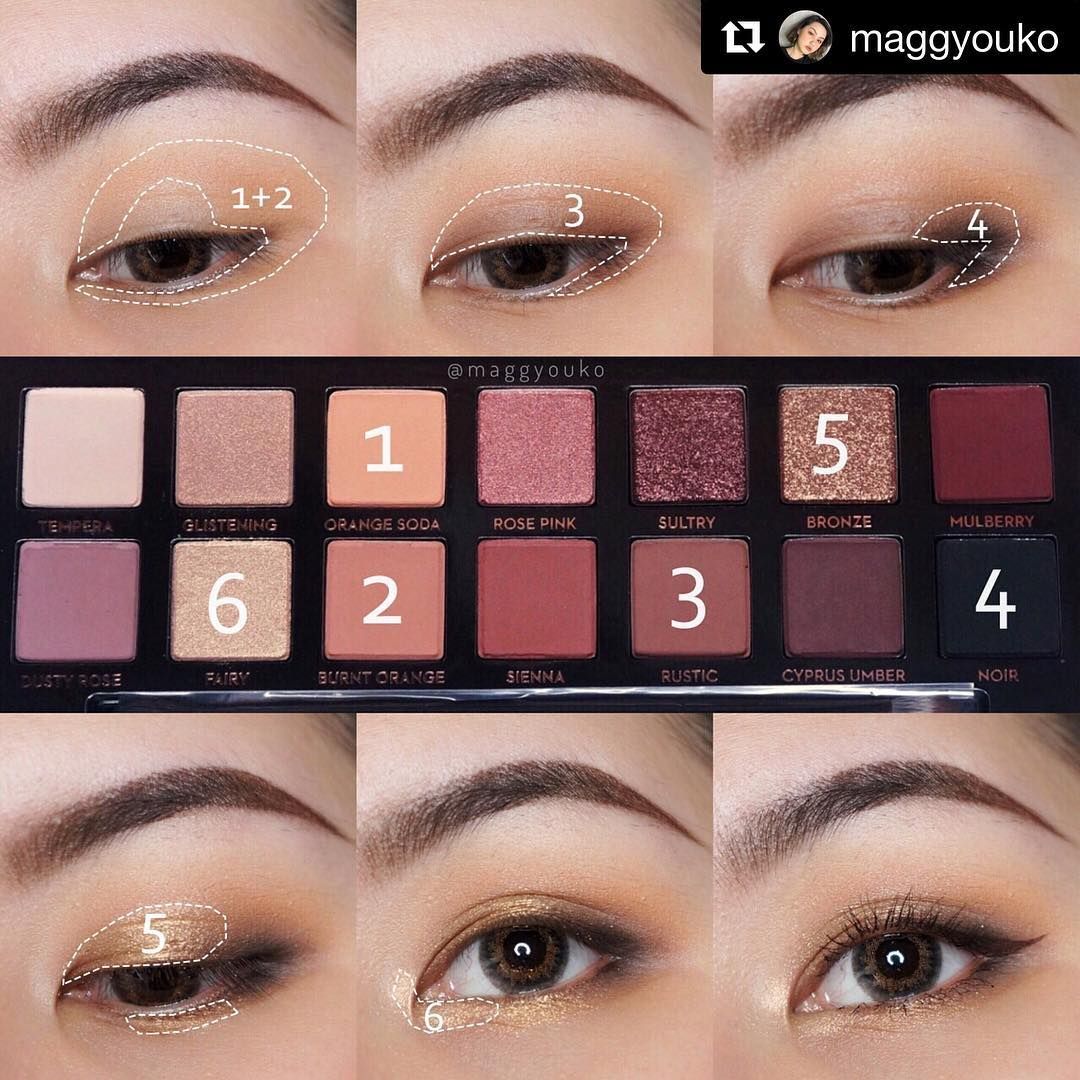
Using a single eyeshadow palette can unlock endless possibilities for eye looks, showcasing the versatility and creativity within each shade. With the right techniques, one can transition seamlessly from a casual day look to a glamorous evening transformation, all while utilizing the same palette. This approach not only simplifies makeup routines but also encourages one to explore and experiment with color combinations, textures, and placements.
The key to maximizing the potential of any eyeshadow palette lies in understanding its shades and how they interact with each other. Most palettes offer a mix of matte, shimmer, and metallic finishes, which can be combined to create depth and dimension on the eyelids. For example, pairing a matte base shade with a shimmery lid color can elevate a look while still maintaining a cohesive flow. Additionally, blending complementary colors can help achieve a seamless gradient, making each eye look unique and personalized.
Versatility of Shades in a Palette
Exploring the versatility of shades in a single palette can lead to numerous inventive looks. Below are creative ways to utilize the various finishes and colors found in most eyeshadow palettes:
- Day Look: Start with a neutral matte shade on the eyelid, extending it slightly above the crease. Add a soft shimmer shade in the inner corner to brighten the eyes. Use a darker matte color on the outer corner and blend well for a subtle definition.
- Transition to Night Look: Enhance the daytime look by adding a bold metallic shade on the lid. This instantly transforms the eye makeup into something more dramatic. Deepen the outer V with a darker shade and apply eyeliner for added definition.
- Mixing Shades: Experiment by layering different finishes. For example, apply a matte shade as a base, then press a shimmer on top for a multi-dimensional effect. This technique can create a stunning, eye-catching appearance.
- Underneath the Eye: Use vibrant shades from the palette to line the lower lash line. This can add a pop of color without overwhelming the overall look.
In specific palettes, such as the Urban Decay Naked Palette, transitioning from day to night is effortless. The neutral tones work beautifully for daytime, while the richer hues provide the dramatic flair needed for evening events. The Tarte Cosmetics Tartelette In Bloom palette similarly offers a range of matte and shimmer shades, facilitating easy blendability and perfect for crafting versatile looks.
“With just a single palette, the ability to create multiple, unique eye looks showcases the artistry of makeup.”
The possibilities are endless, and with a little practice, anyone can master the art of creating diverse eye looks using just one eyeshadow palette.
Budget vs. High-End Eyeshadow Palettes
When it comes to selecting eyeshadow palettes, the debate between budget and high-end options is a common one. Both categories offer unique benefits, but they also come with their own sets of limitations. Budget palettes are often more accessible, allowing makeup enthusiasts to experiment without breaking the bank. On the other hand, high-end palettes typically promise superior quality, pigmentation, and lasting power, appealing to those who prioritize performance over price.
The primary differences between budget and high-end eyeshadow palettes can be observed in terms of formulation, pigmentation, and blendability. Budget palettes often utilize synthetic pigments that may lack the richness and vibrancy found in their luxury counterparts. Consequently, you might need to layer budget eyeshadows multiple times to achieve the desired intensity. High-end palettes tend to employ premium ingredients, like finely milled pigments and luxurious textures, which provide a smoother application and better adherence to the eyelid. Furthermore, they often include more versatile shades and finishes, such as mattes, shimmers, and metallics, allowing for greater creativity in makeup looks.
Assessing the Value of an Eyeshadow Palette
When evaluating the value of an eyeshadow palette, several factors come into play. Examining the pigmentation, texture, and overall blendability is crucial. A palette that offers rich color payoff in a single swipe is generally more desirable. Additionally, consider the variety of shades and finishes included; a versatile palette can create numerous looks. Packaging quality also plays a role; sturdy, aesthetically pleasing packaging not only enhances the user experience but also reflects brand quality.
Below are some notable budget and high-end brands, along with their best-selling palettes, showcasing the diversity of options available in each category.
Reputable Budget Brands and Their Best-Selling Palettes
These budget-friendly brands have garnered positive reviews for their quality and performance.
- e.l.f. Cosmetics: The e.l.f. 18 Hit Wonders Eyeshadow Palette features a mix of vibrant and neutral shades at an affordable price.
- ColourPop: The Ultra Cool Palette offers a range of bold colors with excellent pigmentation, perfect for anyone looking to experiment.
- Wet n Wild: The Color Icon Eyeshadow 10 Pan Palette is a beloved choice, known for its blendability and rich color payoff.
Reputable High-End Brands and Their Best-Selling Palettes
These luxury brands are celebrated for their high-quality formulations and stunning color ranges.
- Urban Decay: The Naked palette series, especially Naked 3, features a stunning assortment of neutral tones with exceptional blendability.
- Too Faced: The Chocolate Bar Palette is famed for its rich pigmentation and delightful chocolate scent, making it a cult favorite.
- Anastasia Beverly Hills: The Modern Renaissance Palette offers an exquisite range of warm tones, perfect for creating both everyday looks and dramatic styles.
“Investing in a high-quality palette can enhance your makeup routine, but budget options can still deliver impressive results.”
The Role of Packaging in Eyeshadow Palette Appeal
In the competitive world of makeup, packaging plays a pivotal role in attracting consumers and influencing their purchasing decisions. Eyeshadow palettes, in particular, benefit from thoughtful packaging that not only protects the product but also enhances its overall appeal. The first impression a consumer has of a product is often shaped by its packaging; thus, brands invest significantly in creating eye-catching designs that resonate with their target audience.
Packaging design goes beyond mere aesthetics; it encompasses functionality and user experience as well. Innovative packaging designs can include magnetic closures, built-in mirrors, and even customizable compartments. These features enhance the usability of the palette, making it more convenient for consumers to apply makeup on the go. The inclusion of a dual-ended brush or applicator can also elevate the overall appeal, as it provides added value to the consumer. For instance, brands like Too Faced and Urban Decay have successfully integrated unique elements into their packaging, such as the whimsical designs of their palettes, which not only stand out on shelves but also create an emotional connection with users.
Innovative Packaging Designs
The significance of innovative packaging designs cannot be overstated. Unique and creative packaging can lead to increased brand loyalty and repeat purchases. Consumers often share their experiences on social media platforms, showcasing how aesthetically pleasing packaging enhances their makeup routines. This phenomenon has given rise to several trends in packaging that brands can capitalize on:
– Interactive Elements: Packaging that includes features like pull-out drawers or rotating compartments can engage users and offer a fun experience. Brands like Tarte have embraced this concept with palettes that have playful, interactive designs.
– Visual Appeal: Bright colors, artistic illustrations, and trendy fonts draw consumer attention. The Fenty Beauty palettes, for example, utilize striking designs that reflect the brand’s inclusive philosophy.
– Practicality: Compact, lightweight packaging is crucial for on-the-go application. Brands that prioritize convenience in design, such as ColourPop with their travel-friendly palettes, cater to the needs of modern consumers.
Sustainability Trends in Makeup Packaging
Sustainability has become an essential consideration in the beauty industry, including eyeshadow palette packaging. Consumers are increasingly seeking eco-friendly options, prompting brands to innovate in ways that minimize their environmental impact. Sustainable packaging not only appeals to eco-conscious shoppers but also enhances brand image. Some of the key trends include:
– Recyclable Materials: Many brands are now using materials that can be easily recycled, reducing waste. For instance, brands like Pat McGrath Labs are transitioning to recyclable cardboard for their packaging.
– Refillable Palettes: The concept of refillable palettes allows consumers to purchase only the shades they want, reducing overall waste. This trend is exemplified by brands such as Z Palette, which allows users to customize their palettes with individual shades.
– Biodegradable Options: Some innovative brands are exploring biodegradable materials that break down naturally, offering a more sustainable alternative. This shift not only highlights a commitment to the environment but also attracts a growing demographic that values sustainability in their purchasing decisions.
In conclusion, the role of packaging in the eyeshadow palette market cannot be overlooked. From attracting consumers through innovative designs to committing to sustainability, packaging is a crucial element that shapes the overall appeal and success of makeup products.
Eyeshadow Palette Trends to Watch
As the beauty industry evolves, eyeshadow palettes continue to capture the imagination of makeup enthusiasts and professionals alike. With upcoming seasons bringing fresh perspectives and innovative formulations, several trends are poised to emerge. This season, expect to see a blend of nostalgia, sustainability, and bold color choices that reflect today’s dynamic cultural landscape.
The eyeshadow palette market is not just about colors anymore; it’s about creating experiences. The upcoming trends focus heavily on innovative formulations, eco-friendly packaging, and versatile designs that cater to both everyday users and professional makeup artists. Industry insiders are predicting a significant shift towards more multifunctional products that emphasize creativity and self-expression.
Color Palettes and Styles Predicted to Dominate
A fascinating aspect of the new trends is the return of vibrant colors and unexpected combinations. The following colors and styles are expected to take center stage:
- Ultra-Vivid Colors: Bright neons, such as electric blue and hot pink, reminiscent of the early 2000s, are making a comeback. These shades provide a fun way to experiment with bold looks.
- Earthy Tones: Shades inspired by nature, like terracotta, olive green, and rich browns, are predicted to dominate, appealing to those seeking a more grounded aesthetic.
- Metallic Finishes: Expect to see more palettes featuring metallic shades that add depth and dimension to looks. These finishes can be used to create dramatic evening styles or subtle daytime highlights.
- Soft Pastels: As a counterbalance to bold shades, soft pastels will also be in demand, offering a delicate, feminine touch that is perfect for spring and summer.
- Monochromatic Palettes: Focused color stories in one palette will allow users to create cohesive looks effortlessly, making them increasingly popular among consumers.
Industry professionals suggest that these vibrant and earthy combinations will cater to a wide audience, allowing for increased personalization in makeup routines. For example, celebrity makeup artists are embracing the fusion of bright neons and earthy tones, creating striking looks that appeal to both younger and older demographics.
“The trend now is all about versatility. Makeup should allow individuals to express their personalities, and colors are an essential part of that.”
Furthermore, the trend towards sustainability is reshaping the packaging and formulation of eyeshadow palettes. Brands are increasingly adopting eco-friendly practices, such as using recyclable materials and avoiding harmful chemicals in their formulations. This aligns with a growing consumer preference for products that are not only beautiful but also ethical.
In conclusion, the eyeshadow palette trends for the upcoming seasons reflect a vibrant mix of nostalgia and innovation. With an emphasis on bold colors and sustainable practices, these palettes are set to inspire creativity while making a positive impact on the environment. As the industry continues to evolve, keep an eye on these trends to stay ahead of the curve.
Wrap-Up

In summary, the eyeshadow palette is more than just a collection of colors; it’s a testament to the creative spirit of makeup artistry. As we look forward to future trends and innovations, it’s clear that these palettes will continue to inspire and empower individuals to explore their unique beauty. Whether you’re a makeup novice or a seasoned pro, finding the right eyeshadow palette can unlock a world of possibilities, making every application a new adventure.
General Inquiries
What are the different types of eyeshadow finishes?
Eyeshadow finishes include matte, shimmer, satin, metallic, and glitter, each offering a unique look and feel for makeup applications.
How do I know if a palette is cruelty-free?
Look for certification labels on the packaging or check the brand’s website for their cruelty-free policies and practices.
Can I use a single eyeshadow palette for different occasions?
Absolutely! A versatile palette can be used to create looks suitable for both everyday wear and special occasions by mixing and matching shades.
Are high-end eyeshadow palettes worth the investment?
High-end palettes often offer superior pigmentation, blendability, and longer-lasting formulas, making them a worthwhile investment for many makeup lovers.
How should I store my eyeshadow palettes?
Store your palettes in a cool, dry place away from direct sunlight to preserve the quality and longevity of the eyeshadows.