
 Widya pasha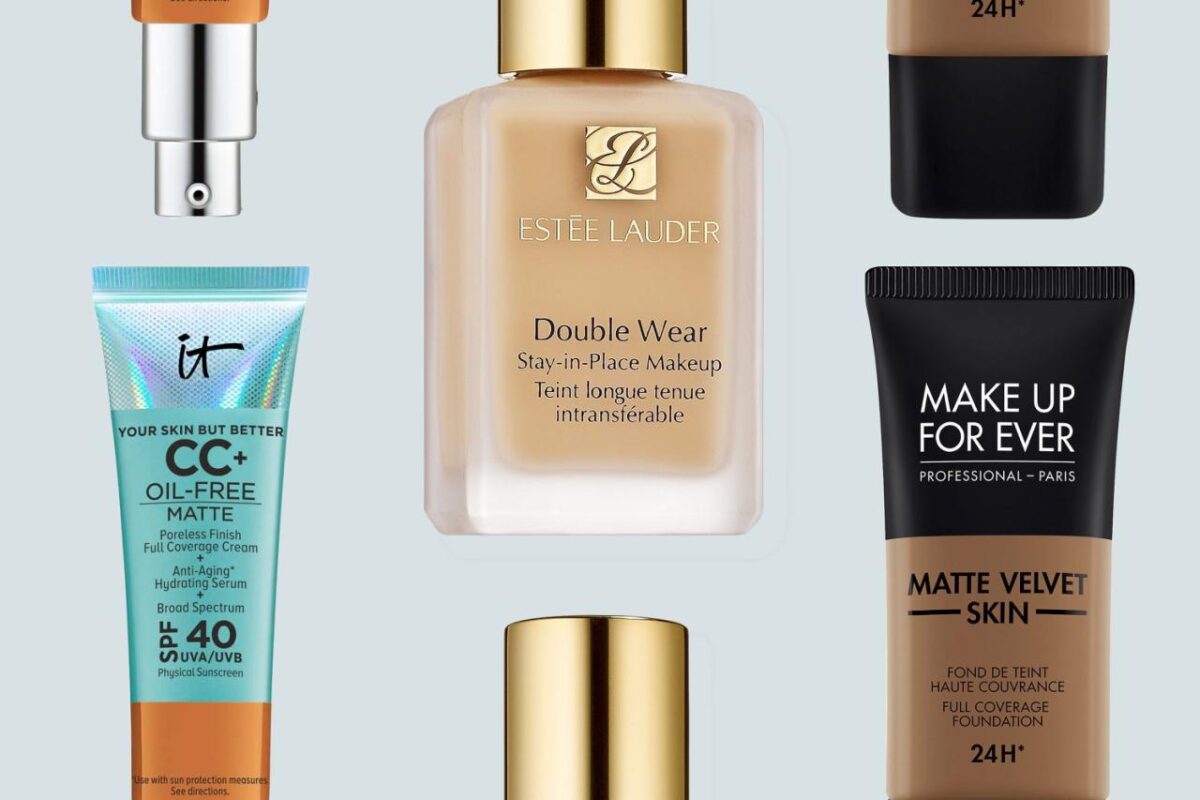
Foundation for oily skin is a crucial aspect of achieving a flawless makeup look, especially for those with a shiny complexion. Those with oily skin often face unique challenges such as excess shine, breakouts, and makeup that doesn’t last. Choosing the right foundation can not only enhance appearance but also contribute positively to skin health by addressing these specific issues.
From understanding the importance of suitable formulations to discovering key ingredients that manage oil production, this guide aims to equip you with the knowledge needed to make informed decisions. We will explore popular brands, application techniques, common mistakes, and even natural alternatives to help you find the perfect foundation for your oily skin.
The Importance of Choosing the Right Foundation for Oily Skin
Selecting a foundation designed specifically for oily skin is crucial for achieving a flawless look while maintaining overall skin health. Oily skin can be a challenge, often resulting in shine, clogged pores, and breakouts. The right foundation not only helps in controlling oil and shine but also plays a significant role in improving the condition of the skin over time.
Individuals with oily skin frequently face several issues that can be exacerbated by the wrong foundation product. These concerns include excessive shine, enlarged pores, and the tendency for makeup to slide off or wear unevenly throughout the day. By choosing a foundation tailored for oily skin, these issues can be addressed effectively. The formulation can help absorb excess oil, minimize the appearance of pores, and provide a long-lasting finish that keeps makeup looking fresh.
Impact of Foundation Formulations on Oily Skin
Different foundation formulations can significantly affect the performance and appearance of makeup on oily skin. Understanding these differences can help in making informed choices:
– Liquid Foundations: Often lightweight, liquid foundations can contain oil-free or mattifying ingredients that control shine. They provide buildable coverage, making them versatile for various skin types. However, those that are too hydrating may exacerbate oiliness.
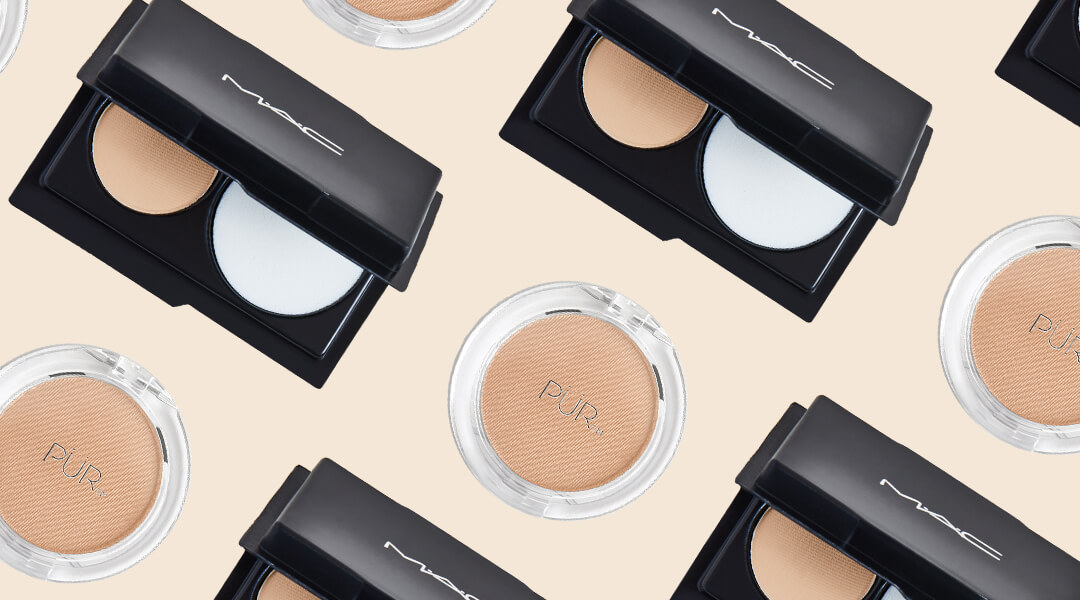
– Powder Foundations: These are known for their oil-absorbing properties. They provide a matte finish and are less likely to clog pores, making them a popular option for oily skin. Powder foundations can also serve as touch-up products throughout the day to maintain a fresh look.
– Cream Foundations: While cream foundations offer a rich, full coverage, they may not always be the best choice for oily skin. Some cream formulations can be too heavy and may lead to a greasy appearance if not set properly with a powder.
Choosing the right foundation formulation is key to managing oily skin effectively. It’s essential to look for products labeled as “matte,” “oil-free,” or “non-comedogenic” to ensure they cater to the specific needs of oily skin types.
Key Ingredients to Look for in Foundations for Oily Skin
When selecting a foundation for oily skin, understanding the key ingredients can significantly enhance your makeup experience and skin health. The right components not only provide coverage but also help manage oil production, ensuring a smoother finish throughout the day. Below, we explore essential ingredients that can transform your foundation into a powerhouse for oily skin.
Beneficial Ingredients for Oily Skin
Several ingredients have proven effective in controlling excess oil and providing a matte finish. Understanding how these components work can help you choose the best foundation for your needs. Here are some noteworthy ingredients to look for:
- Salicylic Acid:
This beta hydroxy acid (BHA) is renowned for its ability to penetrate pores and dissolve excess sebum. Not only does salicylic acid help prevent breakouts, but it also has exfoliating properties that promote smoother skin texture, making it an ideal ingredient for foundations aimed at oily skin. - Silica:
Silica is a natural mineral that absorbs moisture and oil, providing a soft, matte finish. It creates a blurring effect on the skin, reducing the appearance of pores and fine lines, which is particularly beneficial for individuals with oily skin seeking a flawless look. - Clay:
Various types of clay, such as kaolin and bentonite, are incorporated into foundations for their oil-absorbing properties. Clay helps clarify the skin by absorbing impurities and controlling shine, making it a staple ingredient in many oil-free formulations.
Role of Mattifying Agents in Foundations
Mattifying agents play a critical role in controlling shine for those with oily skin. These ingredients reduce the appearance of grease and ensure a long-lasting, matte finish. Here are some common mattifying agents you might encounter:
- Dimethicone:
A silicone-based ingredient that creates a barrier on the skin, dimethicone smooths out texture while controlling oil. Its lightweight formula allows for breathable wear, making it a favorite in mattifying foundations. - Microfine Powders:
Powders like talc or cornstarch can be included in foundations to absorb excess oil. They help keep the skin looking fresh and matte without feeling heavy or cakey. - Alcohol Denat:
Often used in small amounts, this ingredient can provide an instant matte effect by evaporating quickly and reducing shine. However, it should be used cautiously as it may cause dryness in some individuals.
“Choosing a foundation with the right ingredients not only enhances your makeup but also supports your skin’s health.”
Popular Foundation Brands Recommended for Oily Skin
Finding the right foundation for oily skin can be a game-changer in achieving a flawless look. Oily skin often leads to excess shine and can cause makeup to break down throughout the day. Therefore, selecting a foundation that controls oil and provides a matte finish is essential. Below is a curated list of top brands renowned for creating foundations that cater specifically to oily skin, along with their unique features and customer insights.
Top Foundation Brands for Oily Skin
The following brands have been recognized for their effective foundations suitable for oily skin. Each offers distinctive features that appeal to users, and understanding their pros and cons can help in making an informed choice.
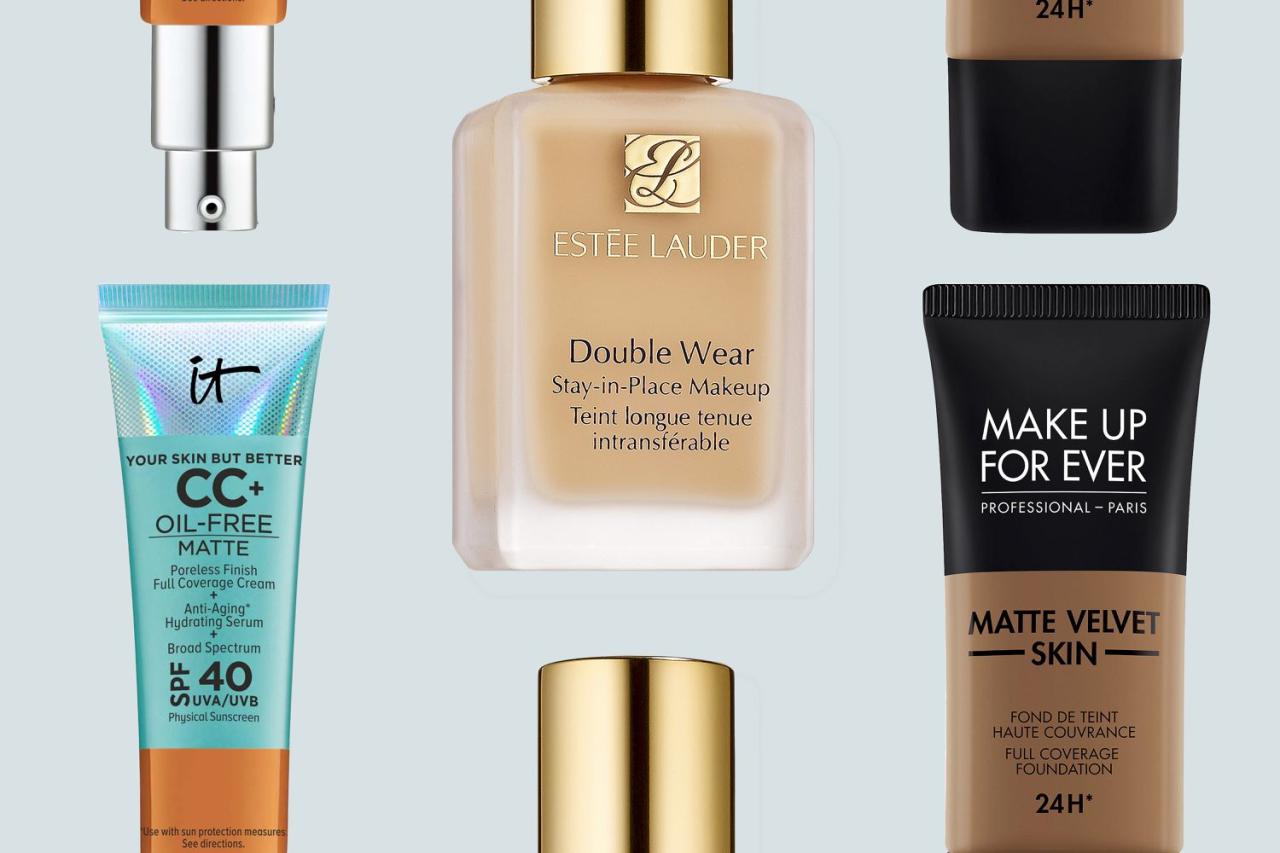
- Estée Lauder Double Wear Stay-in-Place Makeup
“A long-lasting foundation that remains flawless and matte for up to 24 hours.”
Pros: Excellent oil control, full coverage, and a wide shade range. Highly praised by users for its durability, even in humid conditions.
Cons: Some users mention it can feel heavy on the skin; may require thorough removal at the end of the day.
- Fenty Beauty Pro Filt’r Soft Matte Longwear Foundation
“Designed for all skin types, this foundation delivers a soft matte finish.”
Pros: Lightweight formula, extensive shade range, and suitable for sensitive skin. It balances shine without clogging pores.
Cons: Some users report that it can oxidize, leading to a darker finish after application.
- Maybelline Fit Me Matte + Poreless Foundation
“An affordable option that controls shine while minimizing the appearance of pores.”
Pros: Great for everyday wear, provides a natural finish, and is budget-friendly. It has a variety of shades that cater well to different skin tones.
Cons: May require touch-ups throughout the day for optimal oil control.
- NARS Soft Matte Complete Foundation
“Offers full coverage with a soft matte finish that doesn’t feel heavy.”
Pros: Ideal for oily skin, provides excellent coverage while allowing skin to breathe. Its formula is praised for its staying power.
Cons: Higher price point compared to drugstore brands; some users find it can emphasize dry patches.
| Brand | Key Features | Price Range |
|---|---|---|
| Estée Lauder | Long-lasting, full coverage, wide shade range | $42 – $45 |
| Fenty Beauty | Lightweight, soft matte finish, suitable for sensitive skin | $36 |
| Maybelline | Natural finish, budget-friendly, minimizes pores | $5 – $12 |
| NARS | Full coverage, breathable formula, excellent staying power | $40 – $42 |
These brands have established themselves in the beauty industry, and their foundations are highly recommended for oily skin types. Evaluating the unique selling points and user feedback can significantly aid in finding the perfect product that meets your needs.
Application Techniques for Foundations on Oily Skin
Achieving a flawless finish with foundation on oily skin requires more than just the right product; it also involves mastering specific application techniques. From prepping the skin to choosing the right tools, there are several factors that contribute to a long-lasting, natural look. Understanding these methods enhances both the appearance and durability of the makeup, ensuring that it withstands the test of time and oil production throughout the day.
One of the critical steps to ensure your foundation adheres well and lasts longer on oily skin is proper skin preparation with primers. Primers act as a barrier between your skin and foundation, minimizing the appearance of pores, smoothing the skin texture, and controlling excess oil. This sets the stage for your foundation to apply more evenly and stay put for hours.
Best Practices for Applying Foundation
To achieve the best results when applying foundation on oily skin, consider the following techniques:
1. Start with Clean Skin: Begin with a gentle cleanser that suits oily skin to remove excess oil and impurities. This creates a fresh base for makeup application.
2. Use a Mattifying Primer: A mattifying primer will help control shine and provide a smooth canvas. Apply a pea-sized amount to areas prone to oiliness, focusing on the T-zone (forehead, nose, and chin).
3. Choose the Right Foundation: Opt for an oil-free, mattifying foundation that is specifically formulated for oily skin. These foundations often contain ingredients that help absorb excess oil and control shine throughout the day.
4. Application Tools Matter: Utilize a damp makeup sponge or a foundation brush for application. A sponge can help press the product into the skin for a more natural finish, while a brush can cover larger areas quickly.
5. Apply in Thin Layers: Begin with a small amount of foundation and build coverage as necessary. Applying in thin layers reduces the likelihood of cakiness and helps control oil production.
6. Set with Powder: After applying foundation, use a translucent setting powder to lock everything in place. Focus on the areas that tend to get oily, and use a light hand to avoid a heavy look.
7. Blotting Throughout the Day: Keep blotting papers handy to absorb excess oil without disturbing your makeup. This helps maintain a fresh appearance throughout the day.
8. Finish with a Setting Spray: A mattifying setting spray can be the final touch to ensure your makeup stays put, providing an extra layer of protection against oil.
“A well-prepped face is key to achieving a flawless foundation finish on oily skin.”
Common Mistakes When Using Foundation on Oily Skin
Choosing the right foundation for oily skin can be a game-changer in achieving a flawless look. However, many people make common mistakes that can lead to a makeup disaster. Understanding these pitfalls can help you enhance your makeup application and maintain a fresh appearance throughout the day.
One of the primary errors is selecting the wrong foundation type or formula. Oily skin requires specific products that control shine and prevent excess oiliness. Using products that are too hydrating or creamy can exacerbate oil production and lead to a greasy look. Additionally, applying foundation without preparing the skin correctly can result in uneven application and a less polished finish.
Impact of Choosing the Wrong Shade
Selecting an incorrect foundation shade can significantly affect both the appearance and longevity of your makeup. The wrong shade can create a stark contrast that not only looks unnatural but can also highlight imperfections rather than conceal them. To avoid this issue, consider the following points:
– Undertones Matter: Understanding whether your skin has warm, cool, or neutral undertones can guide you to a foundation that complements your complexion.
– Test in Natural Light: Always test foundation shades in natural light, as artificial lighting can distort color perception. Apply a small amount on your jawline and blend to find the best match.
– Consider Seasonal Changes: Skin tone can change with the seasons due to sun exposure or lack thereof. Ensure to have different shades for summer and winter if necessary.
Choosing the right shade ensures seamless blending and a more cohesive overall look, helping your makeup last longer without breaking or shifting throughout the day.
Avoiding Cakeyness and Shine
Cakeyness and unwanted shine are common concerns for those with oily skin. To avoid these issues, informed product choices and application techniques are crucial. Here are some effective tips:
– Use a Mattifying Primer: A mattifying primer creates a smooth base and helps control oil production, ensuring your foundation adheres well and lasts longer.
– Opt for Lightweight Formulas: Choose oil-free and non-comedogenic foundations that provide coverage without adding excess weight. Liquid or powder formulas are often preferable.
– Apply in Thin Layers: Instead of slathering on a thick layer of foundation, apply it in thin layers, building coverage where needed. This technique prevents a heavy, cakey appearance.
– Set with Translucent Powder: After applying foundation, use a translucent setting powder to lock in the makeup and absorb excess oil throughout the day. Focus on areas that tend to get shiny.
– Blotting Papers: Keep blotting papers handy to absorb oil without disturbing your makeup during the day. This helps maintain a fresh finish and prevents the face from appearing greasy.
By avoiding these common mistakes and following effective strategies, you can achieve a beautiful, long-lasting finish that enhances your natural beauty while managing oily skin concerns.
How to Set Foundation on Oily Skin for Maximum Longevity
Setting your foundation is crucial, especially for those with oily skin. This step ensures that your makeup remains intact throughout the day, preventing shine and creasing. The right setting products can significantly enhance the wear time of your foundation, making sure you look fresh without the need for frequent touch-ups.
To effectively set makeup on oily skin, it’s essential to choose the right products that absorb excess oil and provide a matte finish. Setting powders and sprays are particularly valuable; they help lock in your foundation while controlling shine.
Setting Powders for Oily Skin
Setting powders are a go-to for many individuals with oily skin. They work by absorbing oil and moisture, ensuring that your foundation stays put. Here are some effective options and their application methods:
- Translucent Setting Powder: This powder is a favorite as it suits all skin tones. Use a damp beauty sponge to press the powder into the skin, focusing on areas prone to oiliness, such as the T-zone.
- Matte Finishing Powder: Designed specifically for oily skin, this powder provides a matte finish and helps control shine. Apply using a fluffy brush in a light dusting to avoid a cakey appearance.
- Oil-Absorbing Powder: Often infused with ingredients like silica or kaolin clay, these powders offer extra oil control. They can be applied with a brush or a puff, targeting areas that need the most oil control.
Setting Sprays for Oily Skin
Setting sprays also play a significant role in prolonging the longevity of foundation on oily skin. They create a barrier that helps to lock in makeup while providing additional shine control. Here are a few noteworthy options:
- Matte Setting Spray: This type of spray is formulated to minimize shine and ensure a matte finish. Hold the spray about 8-10 inches away from your face and mist evenly after applying foundation and powder.
- Oil-Control Setting Spray: Specifically designed for oily skin, this spray helps absorb excess oil throughout the day. Use it in the same way as a matte spray for best results.
- Hydrating Setting Spray: While it may seem counterintuitive, some hydrating sprays can help balance oily skin without adding excess moisture. These sprays typically contain ingredients like aloe vera, which can refresh makeup without compromising its longevity.
Touching Up Foundation Throughout the Day
Even with the best setting products, occasional touch-ups may be required. Here’s how to do it without disturbing your makeup base:
- Blotting Papers: Start with blotting papers to absorb excess oil without adding more product. Press the paper onto your skin, particularly on the forehead, nose, and chin.
- Spot Powdering: If you need to apply more powder, use a fluffy brush to lightly dust the areas that have become shiny. Make sure to use a minimal amount to avoid a heavy look.
- Setting Spray Refresh: After touching up with powder, a quick spray of setting spray can help blend everything together and refresh your makeup.
Incorporating these techniques not only helps maintain a flawless look but also ensures that your foundation withstands the test of time, especially on oily skin.
Natural Alternatives to Traditional Foundations for Oily Skin
The beauty industry has seen a significant shift towards natural and mineral foundations, especially for those with oily skin. Many consumers are now opting for formulations that are not only effective but also promote healthier skin. This trend is largely driven by increased awareness of the potential drawbacks of synthetic ingredients commonly found in traditional foundations, including clogged pores and skin irritations.
Natural and mineral foundations offer a lightweight alternative to conventional options, often utilizing ingredients derived from nature that cater specifically to oily skin. These formulations typically include minerals like zinc oxide and titanium dioxide, known for their oil-absorbing and soothing properties. The effectiveness of these products can sometimes surpass that of traditional foundations, providing coverage while allowing the skin to breathe and reducing the risk of breakouts.
Benefits of Using Products with Fewer Synthetic Ingredients
Transitioning to natural foundations brings numerous advantages that positively impact skin health. Key benefits include:
- Reduced Irritation: Natural foundations are less likely to irritate sensitive skin due to their gentle formulations.
- Minimized Pore Clogging: Many natural ingredients are non-comedogenic, which helps in preventing blocked pores and acne breakouts.
- Skin-Soothing Properties: Ingredients like aloe vera and chamomile not only provide coverage but also nourish and calm the skin.
- Environmental Consideration: Natural foundations often come in eco-friendly packaging and are made from sustainably sourced ingredients.
Users who have made the switch to natural foundations report notable improvements in their skin condition. For instance, a survey among beauty enthusiasts revealed that 78% experienced a reduction in oily shine and breakouts after using mineral foundations. One user shared, “After switching to a natural foundation, my skin feels lighter, and I no longer worry about clogged pores. The coverage is fantastic too!”
The move to natural foundations not only enhances beauty but also promotes a healthier complexion.
Another testimonial highlights the long-term benefits of these alternatives. A user noted that her skin’s overall texture improved significantly since using products with fewer synthetic ingredients, stating, “I’ve noticed my skin is more balanced, and I have fewer flare-ups. It’s refreshing to find a foundation that works with my skin instead of against it.”
The growing trend of natural and mineral foundations reflects a broader commitment to skin health, making these options appealing to those seeking both performance and wellness in their beauty routines. As awareness rises about the ingredients that go into makeup, more individuals are likely to embrace the benefits of natural alternatives for oily skin.
Final Thoughts
In conclusion, selecting the right foundation for oily skin is more than just a cosmetic choice; it’s about embracing your unique skin type and enhancing your natural beauty. With the right products and techniques, you can achieve a long-lasting, matte finish that keeps shine at bay throughout the day. Remember, understanding your skin is the key to unlocking the full potential of your makeup routine.
FAQ Resource
What is the best foundation type for oily skin?
Matte foundations, especially in powder or liquid form, are best as they control shine effectively.
Can I use a hydrating primer with oily skin?
Yes, but choose a lightweight, oil-free hydrating primer to balance moisture without adding excess oil.
How often should I touch up my foundation?
It depends on your skin type, but typically a touch-up every 4-6 hours is sufficient for oily skin.
Is it necessary to set my foundation with powder?
Yes, setting with a translucent powder helps to minimize shine and prolong the wear of your foundation.
Are mineral foundations suitable for oily skin?
Yes, mineral foundations can be a great option as they often contain ingredients that help absorb excess oil.