
 Widya pasha
Makeup brushes are not just tools; they are essential companions in your beauty journey, helping you create looks that range from subtle to stunning. With the right brushes, you can achieve a flawless finish that enhances your natural beauty and boosts your confidence. Whether you’re a makeup novice or a seasoned pro, understanding the variety and function of makeup brushes can transform your application techniques and overall results.
From the different types of brushes designed for specific tasks to the importance of maintaining hygiene, this guide will take you through all the necessary aspects of makeup brushes. You’ll learn how to choose the right brushes for your skin type, how to clean them effectively, and even some history behind these tools that have evolved over time. Let’s dive into the world of makeup brushes!
The Importance of Makeup Brushes in Your Beauty Routine
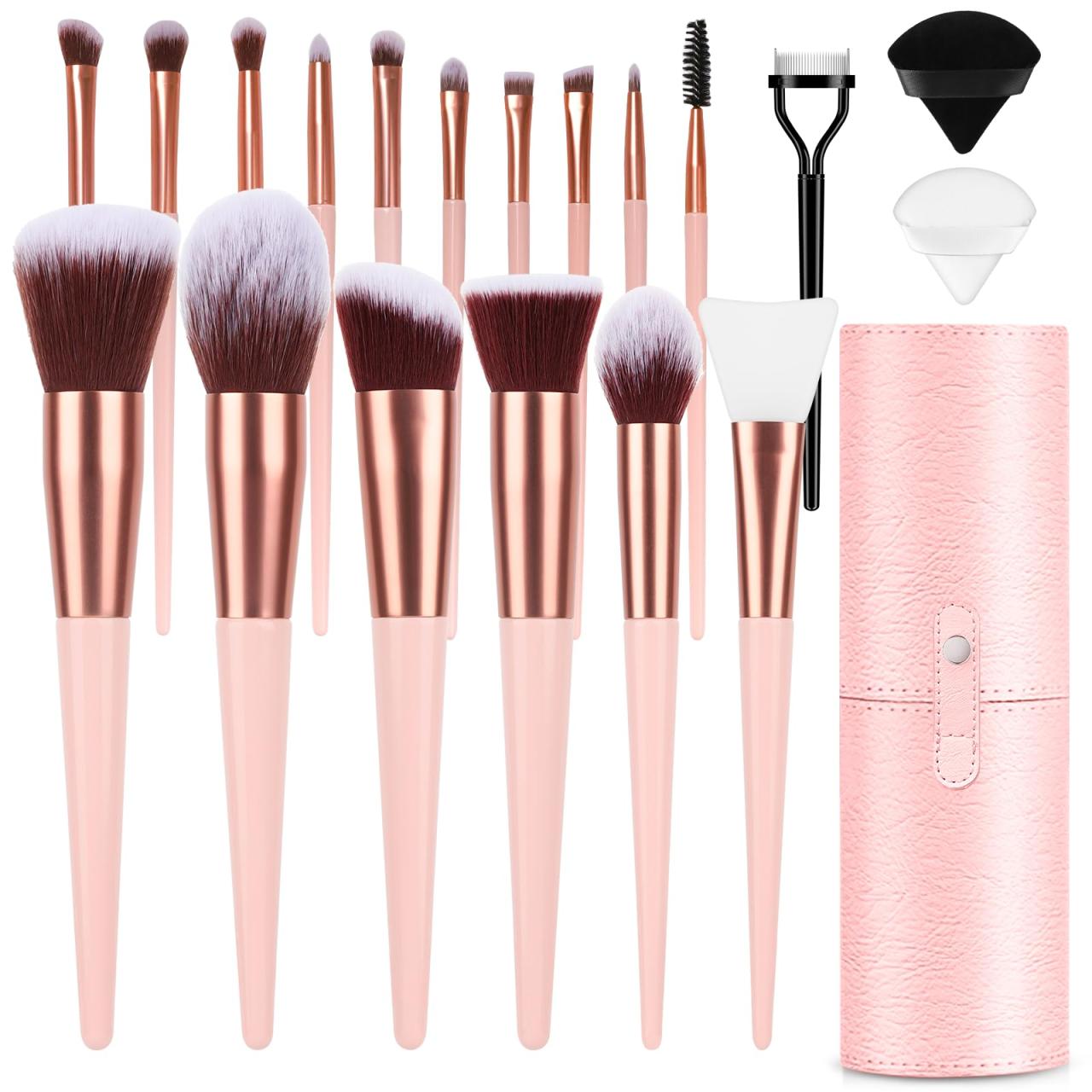
Makeup brushes serve as essential tools in the artistry of makeup application, playing a crucial role in achieving a polished and seamless look. The right brushes can elevate your beauty routine from basic to extraordinary, transforming the way products blend and adhere to the skin. Their importance goes beyond mere aesthetics; they influence the overall effectiveness of your makeup products and the final result.
Using proper application techniques with makeup brushes significantly enhances the longevity of your makeup. Unlike fingers or sponges, brushes allow for precise control, ensuring that products are evenly distributed without disrupting the skin’s natural texture. The density and shape of the brush hairs can dictate how much product is picked up and how it is laid down on the skin, promoting an even finish that lasts throughout the day. For instance, a flat foundation brush can provide full coverage, while a stippling brush creates a more airbrushed effect, contributing to a flawless appearance.
Effects of High-Quality Tools on User Confidence
Utilizing high-quality makeup brushes can have profound psychological effects on a user’s confidence and overall makeup application experience. The tactile sensation of soft bristles gliding over the skin can enhance the application process, making it feel luxurious and enjoyable. Here are some key points illustrating this effect:
- Enhanced Application Experience: High-quality brushes typically feature superior materials that promote smoother application, making the entire makeup routine feel more satisfying.
- Increased Confidence: When users feel that they are using professional-grade tools, it can boost their self-esteem and encourage experimentation with different makeup looks.
- Better Results: High-quality brushes can lead to a more polished appearance, which can enhance the wearer’s confidence in social settings or professional environments.
- Investment in Self-Care: Choosing quality brushes reflects a commitment to self-care, which can translate into a more positive self-image.
Using high-quality makeup brushes not only improves the application process but also significantly impacts how individuals perceive their makeup—leading to a more confident and empowered self.
Types of Makeup Brushes and Their Unique Functions
When it comes to achieving a flawless makeup look, the right tools can make all the difference. Makeup brushes are essential in applying products smoothly and effectively, allowing for a polished finish that enhances your natural beauty. Understanding the various types of brushes and their specific functions can elevate your makeup application and ensure you have a complete makeup kit.
Essential Makeup Brushes for a Complete Kit
A well-rounded makeup kit should include a variety of brushes, each designed for a specific purpose. This diversity allows for precise application and blending of products, which can contribute to a more professional look. Below is a list of the essential brushes every makeup enthusiast should have:
- Foundation Brush: Ideal for applying liquid or cream foundation to achieve an even base. The flat, tapered bristles help to blend seamlessly.
- Concealer Brush: Smaller and denser, this brush is perfect for covering blemishes and imperfections with precision.
- Blending Brush: Featuring soft, fluffy bristles, this brush is essential for blending eyeshadow and creating a smooth transition between colors.
- Powder Brush: A large, fluffy brush designed for applying loose or pressed powder to set makeup, giving a matte finish.
- Contour Brush: Angled to fit the hollows of the cheeks, this brush helps in sculpting the face with contour products.
- Highlight Brush: Smaller and often tapered, this brush is used to apply highlighter to the high points of the face for a luminous glow.
- Lip Brush: A small, precise brush that allows for the application of lipstick or gloss, ensuring a defined lip shape.
Understanding Synthetic and Natural Hair Brushes
Makeup brushes can be made from synthetic fibers or natural hair, each offering distinct advantages. Knowing the differences between these materials will help you choose the right brushes for your makeup routine.
- Synthetic Brushes: Made from man-made fibers, synthetic brushes are ideal for liquid and cream products. They tend to be more durable, resistant to shedding, and easier to clean. Their density allows for a more controlled application, making them suitable for detailed work.
- Natural Hair Brushes: Crafted from animal hair, these brushes are known for their softness and ability to blend powder products effortlessly. They provide a more airbrushed finish, as the natural fibers mimic the texture of skin. However, they require more care and can be more expensive.
“Choosing the right brush type can enhance the quality of your makeup application, making the finish look more professional.”
How to Clean and Maintain Your Makeup Brushes Effectively
Keeping your makeup brushes clean is crucial for both hygiene and the longevity of the brushes themselves. Dirty brushes can harbor bacteria, which may lead to skin irritations or breakouts. Regular cleaning ensures that your brushes apply makeup smoothly and effectively, maintaining your skin’s health and the quality of your makeup.
The cleaning process for makeup brushes involves a few simple steps that anyone can follow. By adhering to these guidelines, you can ensure your brushes remain in optimal condition for years to come.
Step-by-Step Process for Cleaning Brushes
Cleaning your makeup brushes should be a part of your regular beauty routine. Here’s how to do it effectively:
1. Gather Your Supplies: You will need mild soap or brush cleaner, lukewarm water, a small bowl or dish, and a clean towel.
2. Rinse the Brushes: Start by running the bristles of the brush under lukewarm water. Ensure that water does not reach the ferrule (the metal part) as this can loosen the glue.
3. Apply Cleanser: Add a small amount of soap or brush cleaner to your palm or a clean dish. Swirl the brush bristles in the cleaner to gently work out makeup residues.
4. Rinse Again: Rinse the brush under lukewarm water until the water runs clear. Repeat the cleansing step if necessary to remove all traces of makeup.
5. Shape and Dry: Gently reshape the bristles and lay the brush flat on a clean towel to dry. Avoid standing the brushes upright, as water can seep into the ferrule and damage the bristles.
Maintaining a regular cleaning schedule is essential.
Cleaning Frequency Based on Usage
The frequency of brush cleaning can vary depending on how often you use them. Here are some guidelines for maintaining hygiene:
– Daily Use: If you use brushes daily, especially for liquid foundation or cream products, consider washing them at least once a week.
– Occasional Use: For brushes used less frequently, a cleaning every two to four weeks is recommended.
– Spot Cleaning: For quick touch-ups, use a spray brush cleaner after each use to keep brushes free of excess product build-up.
Signs for Brush Replacement
Even with regular cleaning, makeup brushes will eventually need replacement. Indicators that it’s time to part ways with your old brushes include:
– Frayed or Losing Bristles: If the bristles are fraying or falling out, this can impact application quality.
– Stiffness: Brushes that have become stiff or hard may not apply products evenly.
– Unpleasant Odor: A persistent smell despite cleaning may indicate that the bristles have harbored bacteria or mold.
– Discoloration: If brushes show significant discoloration that cleaning can’t remedy, it may be time for a new set.
By following these cleaning and maintenance guidelines, you can ensure your makeup brushes remain hygienic and effective while prolonging their lifespan.
The Best Makeup Brushes for Different Skin Types
Choosing the right makeup brushes is crucial for achieving flawless makeup application, particularly when considering different skin types. Each skin type—oily, dry, or combination—can react differently to various brush materials and shapes. Understanding these nuances will not only enhance your makeup skills but also ensure your skin looks its best.
The texture of your brushes plays a significant role in how product is applied and blended onto the skin. For instance, a dense brush can provide fuller coverage, which may be ideal for oily skin types that want to minimize shine, while softer bristles can be more suitable for dry skin types that require a gentle touch to avoid flaking. Furthermore, the size and shape of brushes can influence the precision of application, which is essential for creating specific looks tailored to different skin conditions.
Brush Textures for Different Skin Types
When selecting brushes, consider the following textures suited for various skin types:
- Synthetic Brushes: Best for oily skin as they don’t absorb oils, making them ideal for cream and liquid products. They provide a smooth application and are easy to clean.
- Natural Hair Brushes: Suitable for dry skin types because they are softer and allow for a more blended, airbrushed finish. They work well with powder products and provide a delicate touch.
- Mixed Fiber Brushes: These versatile brushes can cater to combination skin, allowing users to enjoy the benefits of both synthetic and natural bristles.
Brush Sizes and Shapes for Specific Looks
The size and shape of your makeup brushes significantly impact the outcome of your makeup application. Different brush designs serve unique purposes, especially when considering skin conditions.
- Flat Foundation Brushes: Ideal for applying liquid foundation to oily skin, as they help achieve a smooth and even finish. The flat design allows for precision in coverage.
- Buffing Brushes: Great for dry skin, these round brushes blend products seamlessly without pulling at the skin, providing a natural, dewy look.
- Concealer Brushes: The small, tapered shape allows for precision application around blemishes and under-eye areas, making them effective for any skin type.
- Fan Brushes: Excellent for applying highlighter on the cheekbones, suitable for all skin types. They create a soft glow without over-applying product.
“Choosing the right brush is as essential as selecting the right foundation. The tool can transform how makeup interacts with your skin.”
By understanding the relationship between brush types, sizes, and skin conditions, you can elevate your makeup game and ensure that your products perform at their best. Tailoring your brush choice to your skin type will make a noticeable difference in the final look.
DIY Makeup Brushes
Creating your own makeup brushes can be a fun and rewarding experience. Not only does it allow you to express creativity, but it also provides you with personalized tools that cater specifically to your makeup application needs. With a few common materials that you probably already have at home, you can craft brushes that are both functional and unique.
Crafting DIY makeup brushes can be accomplished using everyday items such as sponge applicators, cotton swabs, and even old toothbrushes. By repurposing or modifying these materials, you can create brushes that serve various purposes, from applying foundation to blending eyeshadow. The key is to ensure that the materials you use are clean and suitable for your skin type, avoiding any potential allergens or irritants. Not only does this allow you to customize the brush shape and size, but it also encourages sustainable practices by reducing waste.
Different DIY Brush Styles and Their Intended Uses
When crafting your makeup brushes, it is essential to consider the purpose of each tool. Below are several DIY brush styles along with their intended uses, demonstrating how versatile and creative you can get with your homemade makeup tools.
- Sponge Applicator Brush: Using a clean cosmetic sponge, cut it into your desired shape to apply liquid foundation or concealer. The sponge allows for a smooth application while blending seamlessly into the skin.
- Cotton Swab Eyeshadow Brush: Take a cotton swab and dip one end into your eyeshadow. This makeshift brush is perfect for precise application on the lower lash line or for correcting minor mistakes.
An old, soft-bristled toothbrush can be used to blend cream products like blush or highlighter. The bristles help achieve a natural, airbrushed look. - Fan Brush with Feathers: Craft a fan brush by gluing feathers to a sturdy stick or an old brush handle. This style is great for applying highlighter on the cheekbones for a soft glow.
- Angled Eyeliner Brush: Trim down a thin paintbrush at an angle, which can be used to apply gel or liquid eyeliner precisely. The angle helps in creating that desired wing effect.
The beauty of DIY makeup brushes lies in their personalized nature; you can design brushes that fit your hand comfortably or match your makeup styles. By experimenting with different materials and shapes, you can enhance your makeup routine while also enjoying the crafting process. Remember to clean your brushes regularly to maintain hygiene and extend their lifespan, ensuring that your beautiful creations stay in top condition for all your makeup applications.
The Evolution of Makeup Brushes Through History
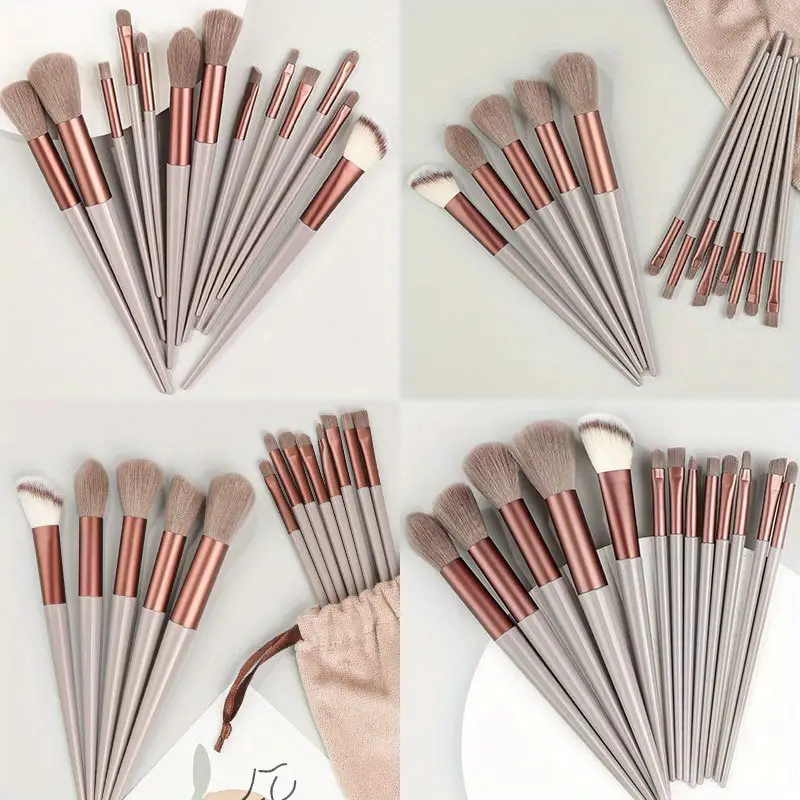
Makeup brushes have undergone a remarkable transformation from ancient tools to modern-day beauty essentials. Their evolution reflects not only advancements in materials and technology but also the shifting cultural attitudes toward beauty and self-expression. Understanding this journey provides insight into how makeup brushes have become integral to cosmetic application across various societies.
Throughout history, the design and materials of makeup brushes have evolved significantly. In ancient civilizations, such as Egypt and Greece, brushes were often made from natural materials like animal hair, plant fibers, and even wood. These rudimentary tools were primarily used for applying kohl and other cosmetics, indicating the importance of makeup in rituals and daily life. As time progressed, the craftsmanship of brushes improved, influenced by trade and cultural exchanges. The introduction of synthetic materials in the 20th century marked a pivotal change, offering durability and accessibility to a wider range of consumers. Today, makeup brushes come in diverse shapes, sizes, and materials, including high-quality synthetic fibers that mimic natural hair, providing options for all types of makeup application.
Cultural Significance of Makeup Brushes
Makeup brushes are not merely tools but hold cultural significance across various societies. In many cultures, makeup application is a form of art and self-expression, often intertwined with rituals and traditions.
– In ancient Egypt, makeup was considered sacred, and brushes were used in religious ceremonies, symbolizing beauty and protection.
– The Geisha culture in Japan emphasizes the art of makeup application, where brushes are vital in achieving the iconic white face and subtle, intricate designs, showcasing the skill and precision of the artist.
– In modern Western cultures, the rise of beauty influencers and social media has elevated the role of brushes, turning them into symbols of luxury and self-care, with high-end brands creating exclusive lines that highlight artistry and craftsmanship.
The cultural context surrounding makeup brushes highlights their importance beyond function, serving as tools for empowerment and identity in various societies.
Impact of Technology on Brush Design and Material Innovation
The advancement of technology has significantly influenced the design and materials of makeup brushes, enhancing both performance and user experience. Modern innovations have led to the development of brushes that cater to specific needs, combining ergonomic designs with cutting-edge materials.
– Synthetic Fibers: The introduction of synthetic fibers has revolutionized the makeup brush industry. These fibers offer advantages such as cruelty-free options, easier cleaning, and consistent performance compared to traditional animal hair.
– Innovative Designs: Technology has enabled the creation of brushes with unique shapes and structures, such as the angled contour brush or the tapered blending brush, allowing for more precise application and blending of products.
– Eco-Friendly Innovations: With growing environmental concerns, brands are increasingly focusing on sustainable materials for brush handles and bristles, seeking to reduce their carbon footprint.
The integration of technology in brush manufacturing not only enhances functionality but also reflects a broader trend toward ethical beauty practices.
Choosing the Right Makeup Brush Set for Beginners
As a beginner in the makeup world, selecting the right brush set can feel overwhelming. The quality and type of brushes can significantly impact your makeup application and overall look. Therefore, understanding what to look for in a starter brush set is essential in making informed decisions.
When choosing a makeup brush set, it’s important to consider the essential brushes that will cover your needs. A well-rounded starter set typically includes brushes for foundation, concealer, blush, eyeshadow, and eyeliner. Look for brushes made with synthetic or natural bristles, depending on your preference, as they offer different finishes and applications.
Essential Brushes for Beginners
A basic brush set should include several key brushes that cater to different aspects of makeup application. The following list Artikels these essential brushes:
- Foundation Brush: Essential for applying liquid or cream foundation evenly across the face.
- Concealer Brush: Ideal for blending concealer in targeted areas such as under the eyes or blemishes.
- Blush Brush: A fluffy brush that helps to apply blush in a natural-looking manner.
- Eyeshadow Brush: Necessary for packing and blending eyeshadow onto the eyelids.
- Eyeliner Brush: Perfect for applying gel or cream liner with precision.
- Spoolie Brush: Useful for grooming eyebrows and separating lashes.
Understanding the brands available on the market can help in making the right decision based on quality and price. Some notable brands known for their beginner-friendly brush sets include:
Brand Comparisons
When evaluating brush sets, you should consider both price and quality. Here are a few brands that stand out:
- Real Techniques: Offers high-quality synthetic brushes at an affordable price point, making them great for beginners.
- e.l.f.: Known for budget-friendly options, e.l.f. brushes provide decent quality without breaking the bank.
- Sigma Beauty: While on the pricier side, Sigma is known for their durable brushes and professional-grade quality.
- MAC: A professional-grade option; their brushes are a bit more expensive but are known for longevity and performance.
Before making a purchase, it’s wise to assess your specific needs. A checklist can be a helpful tool in this process:
Beginner’s Brush Set Checklist
Evaluating your requirements can guide you toward the right brush set. Consider the following checklist:
- Do you prefer liquid, cream, or powder products? (This will influence your choice of brush types)
- What areas do you need to focus on? (Such as eyes, face, or both)
- Are you looking for a specific brand, or are you open to exploring different options?
- What is your budget for makeup brushes?
- Do you have any sensitivities to certain materials (like animal hair) that might influence your choice?
By using this checklist, beginners can make a more informed decision tailored to their unique makeup needs and preferences.
Professional Techniques for Using Makeup Brushes
Using makeup brushes effectively can elevate any makeup application to a professional level. Mastering the right techniques not only enhances the finish but also ensures a seamless blend and long-lasting wear. Understanding how to utilize different types of brushes for specific tasks is essential for achieving that flawless look, whether it’s for everyday wear or special events.
Advanced Makeup Application Techniques
Professional makeup artists often employ advanced techniques that use various brushes to achieve stunning looks. Each brush type has its unique characteristics that can significantly influence the outcome of makeup application. For instance, a flat foundation brush can provide a more polished finish than a stippling brush when applying liquid foundation.
One essential technique is the “dabbing” method for foundation application. Instead of dragging the brush across the skin, gently dabbing the brush allows for better coverage and a more natural finish. Additionally, for eyeshadow, layering colors using a fluffy blending brush helps create depth and dimension.
Consider the following advanced techniques:
- Highlighting and Contouring: Use an angled brush for contouring under the cheekbones, and a fan brush for applying highlighter on the cheekbones.
- Eyeshadow Blending: Utilize a clean, fluffy brush to blend eyeshadow seamlessly, avoiding harsh lines.
- Eyeliner Precision: A fine-tipped brush can apply gel eyeliner with precision, creating a sharp wing or a subtle line.
Insider Tips from Professional Makeup Artists
During photo shoots and events, makeup artists often rely on specific techniques to ensure the makeup looks flawless under various lighting conditions. It’s crucial to choose the right brushes, which can make all the difference. For instance, using a wet brush for applying metallic eyeshadows can intensify their color and shine, making the eyes pop in photos.
Moreover, blending brushes should be used on freshly applied products to achieve a soft and natural look; this is particularly true for foundations and concealers. To maintain a clean application throughout the day, makeup artists often suggest carrying a travel-sized brush cleaner to remove any excess product during touch-ups.
Key tips to note include:
- Set with Powder: After applying cream products, always set with translucent powder using a large fluffy brush for a long-lasting finish.
- Brush Maintenance: Regular cleaning of brushes not only prolongs their lifespan but also prevents cross-contamination of products, leading to a more hygienic application.
- Choose the Right Brush Size: Smaller brushes are beneficial for detailed work, while larger brushes are ideal for broad areas of the face.
Common Mistakes When Using Brushes
Even experienced makeup users can fall into common traps when using brushes. Recognizing these mistakes is the first step toward rectifying them for better application. One frequent error is applying too much product to the brush, which can lead to a cakey look. Instead, it’s recommended to start with a small amount and build up as necessary.
Another common mistake is using the wrong brush for the intended product. For instance, using a dense brush for powder blush can result in uneven application. Instead, a more tapered brush should be used for a more diffused look.
To avoid these pitfalls, consider the following:
- Proper Product Application: Always tap off excess product before applying to avoid overwhelming the skin.
- Brush Selection: Match brush shapes and sizes with the products being used; for example, a kabuki brush works well with powders, while a synthetic brush is better for cream products.
- Technique Awareness: Maintain a light hand when applying makeup; a gentle touch allows for better control and a more natural finish.
“Understanding the right techniques and tools is the gateway to mastering the art of makeup.”
The Environmental Impact of Makeup Brushes
In today’s beauty industry, the environmental impact of makeup brushes is becoming an increasingly important topic. From the materials used in their production to the practices of brands, understanding sustainability can significantly influence purchasing decisions. Consumers are now looking for options that not only enhance their beauty routines but also align with eco-friendly values.
The materials used in makeup brushes can range widely, impacting their overall sustainability. Traditional brushes often utilize animal hair, plastics, and synthetic fibers, which may not be biodegradable. However, the rise of eco-friendly options has led to the introduction of brushes made from sustainable materials like bamboo handles and recycled synthetic fibers. These alternatives help reduce waste and reliance on non-renewable resources, making them appealing choices for environmentally conscious consumers.
Sustainable Makeup Brush Brands
Several brands have emerged as leaders in the sustainable makeup brush market, prioritizing eco-friendly production practices. These brands not only focus on the materials they use but also on ethical labor practices and environmental responsibility.
- EcoTools: Known for their commitment to sustainability, EcoTools offers brushes made with recycled materials, including bamboo handles and recycled aluminum. Their production processes are designed to minimize environmental impact.
- Real Techniques: This brand provides a range of high-quality brushes made with synthetic fibers, which are not only cruelty-free but also designed to last longer, reducing waste over time.
- Bamboo Brush Collection: This collection features brushes with handles made from sustainably sourced bamboo, paired with eco-friendly fibers. The brand emphasizes its commitment to sustainability through its choice of materials.
The significance of choosing cruelty-free brushes has grown in the current market, reflecting a broader demand for ethical consumerism. Many brands are now pledging to avoid animal testing and to ensure that their products do not involve harm to animals in any part of the production process. This shift is crucial, as consumers are increasingly aware of the ethical implications of their purchases.
Choosing cruelty-free brushes not only supports animal welfare but also influences the beauty industry’s overall practices, pushing brands toward more ethical and sustainable methods.
By selecting products from brands that prioritize cruelty-free practices, consumers can actively contribute to a more humane industry while still enjoying the benefits of high-quality makeup brushes. This conscious choice aligns beauty routines with personal values, promoting a sustainable future for the beauty industry.
Trends in Makeup Brush Design and Functionality
The makeup brush industry is consistently evolving, reflecting both consumer preferences and advancements in technology. As makeup artistry becomes more intricate and diverse, brush design follows suit, showcasing innovative shapes, vibrant colors, and a variety of materials. Understanding these trends not only enhances the makeup application experience but also informs consumers about the best tools for their beauty routines.
Current trends in makeup brush design demonstrate a shift towards ergonomic functionality and aesthetic appeal. Shapes are becoming more specialized, allowing for targeted application across various areas of the face. For instance, angled brushes are popular for contouring, while rounded brushes are preferred for foundation application. The choice of materials also plays a crucial role; synthetic bristles are increasingly favored for their ability to perform well with cream and liquid products, while natural fibers continue to be cherished for powder formulations.
Innovations in Brush Design
Recent innovations in makeup brushes have introduced features designed to enhance user experience. Ergonomically designed handles are gaining popularity, offering comfort and control during application. Many of these brushes are crafted with soft-touch materials that provide a better grip, reducing hand fatigue, especially during longer makeup sessions.
Additionally, multi-purpose brushes are becoming a staple in makeup kits, combining the functionality of several brushes into one tool. For example, a dual-ended brush with a foundation brush on one end and a concealer brush on the other allows for efficient makeup application and saves space in makeup bags. This trend caters to the growing demand for versatility, as consumers seek solutions that simplify their beauty routines.
Expert opinions suggest that as beauty technology continues to evolve, we can expect to see even more advanced brush designs. The incorporation of smart technology, such as brushes that can analyze skin type or monitor product usage, is on the horizon. This innovation aligns with the overall trend towards personalized beauty experiences, catering to individual needs and preferences.
“The future of makeup brushes lies in combining artistry with technology, creating tools that not only apply makeup but also enhance the overall beauty experience.” – Beauty Industry Expert
As brands strive to stay ahead of trends, we can anticipate that sustainability will also play a significant role in future brush designs. Eco-friendly materials and production methods are increasingly being adopted, appealing to environmentally conscious consumers. This commitment to sustainability could redefine how brushes are produced, marketed, and used, promoting a more responsible approach to beauty.
Last Recap
In conclusion, makeup brushes play a crucial role in the art of makeup application, ensuring that every stroke enhances your beauty rather than detracts from it. Armed with knowledge about different brush types, care tips, and selection guidance, you are now ready to elevate your makeup game. So, whether you opt for professional or DIY brushes, remember that the right tools can make all the difference in achieving that perfect look.
Frequently Asked Questions
How often should I clean my makeup brushes?
It’s recommended to clean your makeup brushes at least once a week to maintain hygiene, especially if used daily.
Can I use fabric softener to clean my brushes?
No, fabric softeners can leave a residue on brushes, affecting their performance. Stick to gentle soap or specialized brush cleaners.
What is the difference between synthetic and natural brushes?
Synthetic brushes are typically more durable and better for liquid products, while natural brushes provide a softer finish and are ideal for powders.
Do I need to replace my makeup brushes regularly?
Yes, it’s a good idea to replace brushes that show signs of wear, such as fraying bristles or loss of shape, to ensure effective application.
What’s the best way to store my makeup brushes?
Store your brushes upright in a clean container or case to keep them dust-free and maintain their shape. Avoid storing them in damp areas.