
 Widya pasha
Sunscreen is often seen as just a summer essential, but its significance in daily skincare cannot be overstated. Protecting our skin from harmful UV rays is crucial for preventing premature aging, skin damage, and even skin cancer. Sunscreen is a versatile product that caters to all skin types, ensuring that everyone can enjoy the outdoors while safeguarding their skin’s health. Integrating sunscreen into your daily routine can be both simple and effective, enhancing your overall skincare regimen while delivering the protection your skin deserves.
From oily to dry skin, the right sunscreen can complement your skincare routine, providing hydration or oil control as needed. With a variety of formulations available, finding a suitable option has never been easier. Whether you prefer a chemical or physical sunscreen, understanding how each works and selecting the right one for your lifestyle can make a significant difference in your skin’s wellbeing. Let’s explore the world of sunscreens and unlock the secrets to effective sun protection together.
The Importance of Sunscreen in Daily Skincare Routines

Sunscreen is often seen as an optional part of skincare, particularly when the sun isn’t shining brightly. However, its role in daily skincare routines is crucial for maintaining skin health and preventing long-term damage. Sunscreen protects the skin from harmful ultraviolet (UV) rays that can lead to sunburn, skin cancer, and premature aging. By incorporating sunscreen into your daily regimen, you not only shield your skin from immediate damage but also invest in its future health.
The importance of sunscreen cannot be overstated. UV rays are responsible for the breakdown of collagen and elastin, essential proteins that keep skin firm and youthful. Over time, excessive exposure to these rays can result in fine lines, wrinkles, and age spots. According to the Skin Cancer Foundation, regular use of SPF 15 or higher sunscreen can reduce the risk of developing melanoma by 50%. This statistic highlights the efficacy of preventive measures in skincare.
Beneficial Effects of Sunscreen for Different Skin Types
Understanding how sunscreen benefits various skin types is vital for personalizing skincare routines. Sunscreen is not a one-size-fits-all solution; different formulations cater to specific needs. For instance:
- Oily Skin: Lightweight, oil-free sunscreens help control shine and prevent breakouts, allowing oily skin types to stay protected without exacerbating their condition.
- Dry Skin: A moisturizing sunscreen that contains hydrating ingredients such as hyaluronic acid can help combat dryness while offering sun protection.
- Sensitive Skin: Mineral-based sunscreens with zinc oxide or titanium dioxide are often more suitable as they are less likely to cause irritation.
- Combination Skin: A broad-spectrum sunscreen that strikes a balance between hydration and oil control is ideal for those with combination skin.
Incorporating sunscreen into daily skincare routines can be seamless. An effective routine might include:
1. Cleansing: Start with a gentle cleanser to remove impurities.
2. Toning: Use a toner to balance the skin’s pH.
3. Moisturizing: Apply a moisturizer suited for your skin type.
4. Sunscreen: Finish off with a broad-spectrum sunscreen of at least SPF 30, applied generously to all exposed areas.
“Daily sunscreen use is essential; it serves as a protective barrier against UV radiation and is a key factor in preventing premature aging.”
Integrating these steps not only enhances protection but also promotes overall skin health.
Understanding Different Types of Sunscreen Formulations
Sunscreen is an essential component of any skincare routine, particularly for those who spend time outdoors. With various formulations available on the market, understanding the differences can help you make informed choices that cater to your skin’s needs and lifestyle. This segment will explore the distinctions between chemical and physical sunscreens, their benefits, and how to select the best option based on your skin type.
Differences Between Chemical and Physical Sunscreens
Chemical and physical sunscreens serve the same primary purpose: to protect the skin from harmful UV rays. However, they do so using different mechanisms and ingredients.
– Chemical Sunscreens work by absorbing UV radiation through their chemical ingredients. They often contain compounds such as avobenzone, octisalate, octocrylene, and oxybenzone. These ingredients transform UV rays into heat, which is then released from the skin. Chemical sunscreens are often lightweight and easily absorbed, making them an ideal choice for daily wear.
– Physical Sunscreens, also known as mineral sunscreens, contain active mineral ingredients like zinc oxide and titanium dioxide. These ingredients sit on the skin’s surface and act as a barrier, reflecting and scattering UV rays. Physical sunscreens are known for their broad-spectrum protection and are less likely to irritate sensitive skin, making them suitable for children and individuals with skin sensitivities.
Physical sunscreens provide immediate protection upon application, while chemical sunscreens may require a waiting period to become effective.
Choosing the Best Formulation Based on Skin Type and Lifestyle
Selecting the right sunscreen formulation depends on various factors, including skin type, lifestyle, and personal preferences. Here are some considerations for making the best choice:
– Oily or Acne-Prone Skin: Opt for lightweight, oil-free chemical sunscreens that won’t clog pores. Look for labels indicating “non-comedogenic.”
– Sensitive Skin: Physical sunscreens are typically gentler and less irritating. Choose formulations that are free of fragrances and alcohols to minimize irritation.
– Dry Skin: Creamy formulations, whether chemical or physical, can help to moisturize while providing sun protection. Look for ingredients like hyaluronic acid or glycerin.
– Active Lifestyle: If you’re outdoors for extended periods or engaging in sports, water-resistant options are advisable. Both chemical and physical sunscreens offer water-resistant varieties.
The best sunscreen is one that fits seamlessly into your lifestyle, ensuring consistent use for optimal protection.
Comparison Table of Active Ingredients in Sunscreens
To further clarify the differences between chemical and physical sunscreens, the following table Artikels common active ingredients and their characteristics:
| Type | Active Ingredients | Mechanism of Action | Skin Type Suitability |
|---|---|---|---|
| Chemical Sunscreen | Avobenzone, Octocrylene, Oxybenzone, Octisalate | Absorbs UV radiation, converting it to heat | Normal to oily, not recommended for sensitive skin |
| Physical Sunscreen | Zinc Oxide, Titanium Dioxide | Reflects and scatters UV radiation | Sensitive, dry, and combination skin types |
The Myth of “Waterproof” Sunscreens and Their Efficacy
Many people believe that “waterproof” sunscreens offer complete protection against UV rays while swimming or sweating. However, this term can be misleading, leading users to underestimate the importance of proper sunscreen application and reapplication. Understanding how these products work is essential for effective sun protection during water activities.
Waterproof sunscreens are designed to resist water, but no sunscreen can be entirely waterproof. The FDA has established guidelines for labeling, and products labeled “water-resistant” can only claim to remain effective for either 40 or 80 minutes of water exposure. After this time, the effectiveness diminishes significantly. This means that even the most robust formulas require reapplication to maintain their protective qualities.
Importance of Reapplication for Effective Sun Protection
To ensure optimal sun protection, it’s crucial to reapply sunscreen regularly, especially during any water-based activities. The following points highlight why reapplication is necessary:
- Water exposure diminishes the sunscreen’s effectiveness, even in water-resistant products.
- Wiping off the skin with a towel or contact with other surfaces can remove sunscreen.
- Heavy sweating can also wash away protective layers.
- Time spent in the sun leads to breakdown of the active ingredients in sunscreen.
Reapplication every two hours, or immediately after swimming or sweating, is a recommended practice. This ensures that your skin remains protected against harmful UV rays, which can lead to sunburn and increase the risk of skin cancer.
Recommended Practices for Using Sunscreen During Water Activities
To maximize the efficacy of sunscreen while engaging in water activities, consider the following best practices:
- Choose a broad-spectrum sunscreen with an SPF of at least 30 that is labeled as water-resistant.
- Apply sunscreen generously at least 15 minutes before sun exposure to allow it to properly absorb into the skin.
- Cover all exposed skin, including hard-to-reach areas such as the back of the knees and neck.
- Use enough sunscreen; a typical adult should apply about one ounce (a shot glass full) for full body coverage.
- Do not forget to apply sunscreen to the ears, tops of feet, and the scalp (especially if hair is thin or tied back).
- Consider using UV protective clothing or rash guards for additional protection alongside sunscreen.
Incorporating these practices into your routine can significantly enhance your sun safety during water activities, helping you to enjoy the sun while minimizing the risk of skin damage.
The Role of SPF in Sunscreen and Its Misunderstandings
Understanding the significance of SPF (Sun Protection Factor) is crucial for effective sun safety. SPF is a rating that indicates the level of protection a sunscreen offers against UVB rays, which are primarily responsible for sunburn and can contribute to skin cancer. However, many people misunderstand what SPF actually signifies and how it applies to their sun protection strategy. The SPF number indicates the theoretical amount of time you can stay in the sun without getting sunburned compared to wearing no sunscreen at all. For instance, if you typically burn after 10 minutes of sun exposure, an SPF of 30 theoretically allows you to stay in the sun for 300 minutes without burning. However, real-life factors such as skin type, application thickness, and activity level can significantly alter these numbers.
Common misconceptions prevail regarding SPF levels and their effectiveness across different skin tones. Some individuals believe that those with darker skin need less sunscreen due to higher melanin levels, which can provide some natural protection. However, while it’s true that darker skin tones have a higher natural SPF, they are still vulnerable to skin damage and cancer. Likewise, many people assume that a higher SPF provides substantially better protection, ignoring the fact that SPF 30 blocks about 97% of UVB rays, while SPF 50 blocks approximately 98%. The incremental benefit diminishes beyond SPF 30, leading to a false sense of security with high numbers.
Choosing the right SPF involves considering various factors such as skin type, geographical location, and outdoor activities. People who spend extended time outdoors, especially in sunny climates or at high altitudes, should opt for higher SPFs. Furthermore, it’s essential to consider the duration of sun exposure; for longer sessions, a broad-spectrum SPF of at least 30 is recommended. Individuals engaging in water activities or heavy sweating should select water-resistant formulas and reapply frequently.
“SPF ratings do not increase linearly; it’s essential to understand the true benefits at each level.”
Overall, selecting an appropriate SPF is not only about the number on the bottle but also about understanding personal skin needs and environmental conditions.
Sunscreen Application Techniques for Maximum Protection
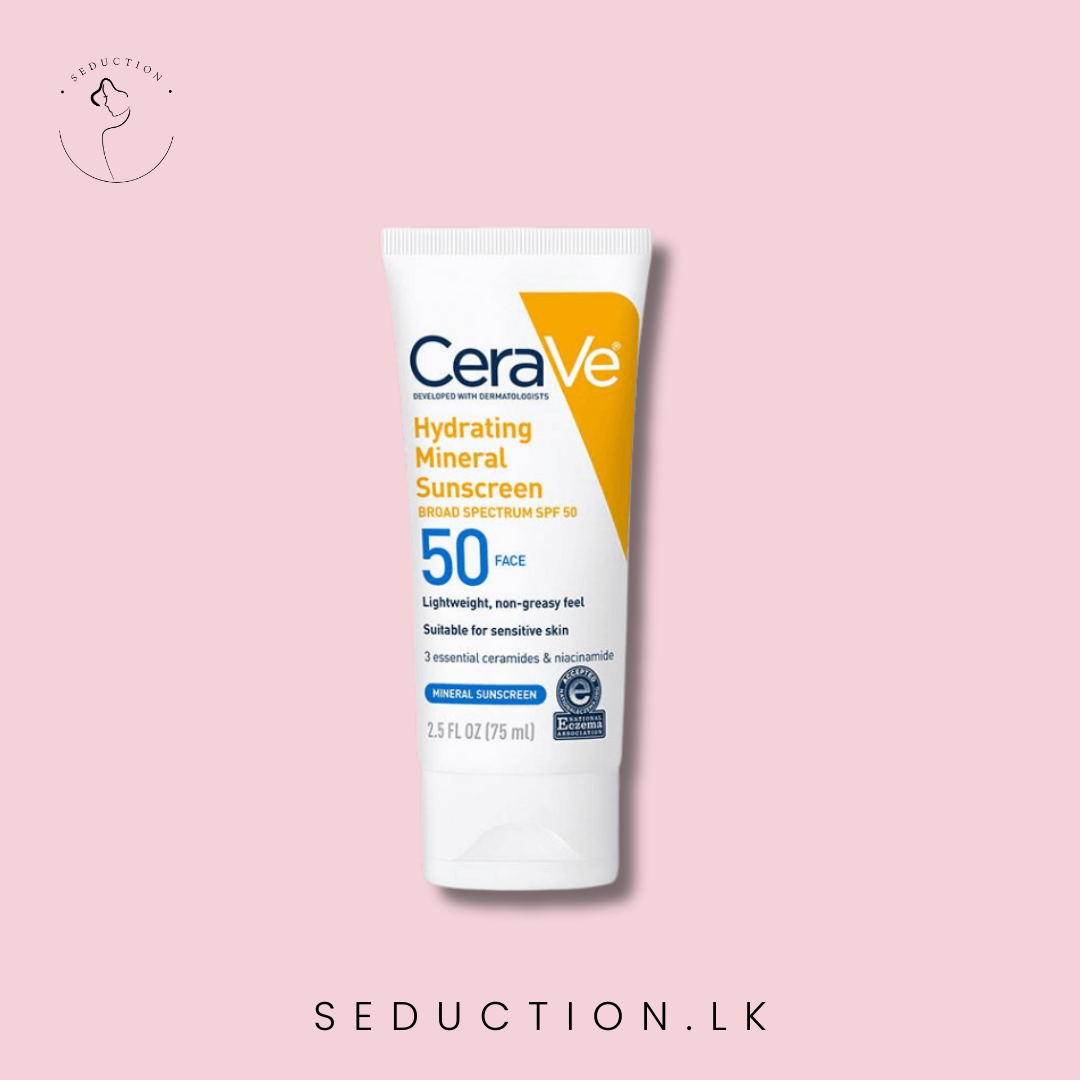
Applying sunscreen correctly is vital for ensuring optimal skin protection against harmful UV rays. Effective application can significantly reduce the risk of sunburn, premature aging, and skin cancer. Understanding the right techniques, amount, and timing of application will help maximize the benefits of your sunscreen.
Proper application techniques are essential for achieving even coverage and enhancing the effectiveness of your sunscreen. Many people overlook the quantity needed or miss areas while applying, leading to insufficient protection. To ensure comprehensive coverage, it’s crucial to follow a systematic approach.
Application Techniques for Even Coverage
To achieve maximum protection, follow these steps for sunscreen application:
1. Choose the Right Sunscreen: Select a broad-spectrum sunscreen with SPF 30 or higher. This ensures protection against both UVA and UVB rays, and suits your skin type.
2. Apply Generously: Use about one ounce (a shot glass full) for full body coverage. This amount is generally recommended for adults and should be adjusted based on body size.
3. Divide the Body into Sections: Apply sunscreen to each body part systematically to avoid missing any areas. Here’s a breakdown for effective application:
– Face: Use about a nickel-sized amount. Don’t forget your ears and the back of your neck.
– Arms: Apply roughly a tablespoon for each arm, making sure to cover the front, back, and underarm areas.
– Torso: Use two tablespoons to cover the chest and abdomen thoroughly.
– Legs: Apply about two tablespoons for each leg, ensuring coverage from the thighs down to the ankles.
– Feet: Don’t neglect the feet, using about a teaspoon for each foot.
4. Apply 15-30 Minutes Before Going Outdoors: This allows the sunscreen to absorb and form a protective layer on the skin.
5. Reapply Regularly: Sunscreen should be reapplied every two hours, or immediately after swimming, sweating, or towel drying.
6. Check Expiration Dates: Always use sunscreen that is within its expiration date to ensure effectiveness.
By following these application techniques, you can ensure that your skin is well-protected from the sun’s harmful rays, significantly lowering the risk of sunburn and long-term skin damage.
“The best sunscreen is the one you will use consistently.”
Environmental Impact of Sunscreens and Eco-Friendly Alternatives
The increasing awareness of environmental issues has brought attention to the harmful effects that certain sunscreen ingredients can have on marine life and ecosystems. Traditional sunscreens often contain chemicals that, when washed off in oceans or lakes, contribute to significant ecological damage. Recognizing this issue is crucial for consumers who wish to protect not only their skin but also the planet.
Certain ingredients commonly found in conventional sunscreens, such as oxybenzone and octinoxate, have been linked to coral bleaching and adverse effects on various marine organisms. When these chemicals enter aquatic environments, they can disrupt the endocrine systems of marine species, leading to developmental and reproductive issues. This, in turn, affects entire ecosystems that depend on healthy marine life.
Potential Harm to Marine Life
The ecological consequences of chemical-laden sunscreens extend beyond just coral reefs. Research indicates that these harmful ingredients can lead to:
- Coral bleaching, which weakens coral structures and makes them more susceptible to diseases.
- Disruption of the reproductive systems in fish and other marine animals, potentially harming population dynamics.
- Algal blooms, which can deplete oxygen levels in water and create dead zones where marine life cannot survive.
These impacts highlight the need for alternatives that are safer for both human health and the environment.
Eco-Friendly and Reef-Safe Sunscreen Options
To counter the environmental damage caused by traditional sunscreens, consumers can choose from a variety of eco-friendly and reef-safe options. These products typically utilize natural minerals and organic ingredients that provide UV protection without harming aquatic ecosystems. Some common eco-friendly ingredients include:
- Zinc oxide – A natural mineral that reflects UV rays without penetrating the skin.
- Non-nano titanium dioxide – Another mineral option that is effective while being safe for marine life.
- Plant-based oils such as coconut oil and shea butter that offer additional hydration and sun protection.
These options not only ensure personal safety from sun exposure but also contribute to the preservation of marine environments.
Comparison of Traditional vs. Eco-Friendly Sunscreens
Understanding the differences between traditional sunscreens and eco-friendly alternatives can empower consumers to make informed choices. Below is a comparison that illustrates these distinctions.
| Aspect | Traditional Sunscreens | Eco-Friendly Sunscreens |
|---|---|---|
| Common Ingredients | Oxybenzone, Octinoxate, Parabens | Zinc Oxide, Non-nano Titanium Dioxide, Organic Oils |
| Impact on Marine Life | Coral bleaching, Endocrine disruption | Safe for marine ecosystems |
| Skin Absorption | Can penetrate skin and enter bloodstream | Stays on the surface, providing a barrier |
| Environmental Certification | Often lacks eco-certification | Many products are certified reef-safe |
This overview underscores the importance of shifting towards more sustainable sunscreen options to protect our skin and the environment alike.
Cultural Perspectives on Sunscreen Use Around the World
Different cultures have unique approaches to sun protection, influenced by their environments, traditions, and health beliefs. While sunscreen use is common in many parts of the world, cultural practices surrounding sun exposure vary significantly, leading to distinct attitudes and behaviors regarding skin protection. Understanding these perspectives highlights not only the diversity of sun protection methods but also the reasoning behind them.
One significant factor influencing sunscreen use globally is the UV index, which varies greatly depending on geographical location. In regions with high UV exposure, such as Australia and parts of the Caribbean, sunscreen is often viewed as an essential component of daily skincare routines. Conversely, in countries with lower UV levels, such as those in Northern Europe, the emphasis on sunscreen may be less pronounced, leading to different sun protection habits.
Traditional Practices for Sun Protection
Cultural traditions often shape how societies approach sun protection, resulting in unique methods that have been passed down through generations. Here are a few noteworthy examples:
- In India: Many people utilize natural remedies, such as applying turmeric or neem paste to the skin for its purported protective qualities against sunburn.
- In Japan: The use of parasols is common among women, serving as both a fashion statement and a practical means of shielding the skin from sun exposure. This practice emphasizes the cultural value placed on fair skin.
- In Mexico: Traditional herbal treatments, such as using aloe vera or coconut oil, are popular for soothing sunburn, highlighting a preference for natural products over commercial sunscreens.
- In the Middle East: People often wear loose, long clothing and use head coverings, which not only protect against the sun but are also culturally significant in terms of modesty.
The attitudes towards sun exposure and sunscreen use can be starkly different in countries with high versus low UV index levels. For instance, countries like Australia, which experiences some of the highest UV levels due to its geographical position, have implemented public health campaigns encouraging sunscreen use from a young age. These programs focus on educating the population about the risks associated with sun exposure, including skin cancer.
In contrast, in regions with lower UV indexes, there may be less urgency regarding sunscreen education. For example, Scandinavian countries typically enjoy a milder sun exposure, leading to a general perception that sunscreen is not necessary year-round. As a result, public health messaging around sun protection in these areas is often less prominent, which can contribute to misunderstanding the importance of UV protection outside of peak summer months.
“The practices surrounding sun protection reflect broader cultural values, beliefs, and environmental conditions, leading to a rich tapestry of approaches across the globe.”
Emerging Trends in Sunscreen Technology and Ingredients
The sunscreen industry is witnessing a rapid evolution in both technology and formulations, driven by the increasing awareness of skin health and the harmful effects of UV radiation. Recent advancements are pushing the boundaries of how sunscreens are designed, enhancing their effectiveness while also improving user experience. New active ingredients and innovative delivery systems are coming to the forefront, reshaping the landscape of sun protection.
Recent advancements have led to the introduction of several cutting-edge ingredients and technologies that elevate the performance of sunscreens. For instance, the development of encapsulated UV filters allows for more consistent protection, as these ingredients release their active components upon application, leading to improved effectiveness. Additionally, the inclusion of antioxidants and skin-repairing agents has become increasingly popular, not only shielding the skin from UV damage but also mitigating oxidative stress.
Innovative Products with Skincare Benefits
As sunscreen formulations evolve, numerous products on the market now prioritize skincare benefits alongside sun protection. These innovative products aim to nourish the skin while providing essential UV defense, reflecting a holistic approach to skincare. The following examples highlight some of the most promising offerings:
- Hydrating Sunscreens: Formulations infused with hyaluronic acid and glycerin offer hydration while protecting against UV rays, making them ideal for dry skin types.
- Tinted Sunscreens: These products not only block harmful rays but also provide a sheer coverage that evens out skin tone, catering to makeup-lovers seeking dual functionality.
- Mineral-Based Broad-Spectrum Formulas: Products combining zinc oxide and antioxidants protect the skin barrier while soothing irritation, making them suitable for sensitive skin.
- Anti-Aging Sunscreens: Formulations enriched with peptides or retinol not only prevent sun damage but also encourage collagen production, addressing early signs of aging.
- Water-Resistant Options: Innovative formulations are now more effective in resisting water and sweat, ensuring long-lasting protection for active lifestyles.
These advancements in sunscreen technology not only emphasize protection against UV radiation but also promote overall skin health, reflecting a growing trend towards multifunctional skincare. The integration of effective ingredients and user-centric formulations is set to redefine sun protection, making it an essential element of daily skincare routines.
Last Recap
In conclusion, incorporating sunscreen into your daily skincare routine is not just a trend but a fundamental practice for maintaining healthy skin. By understanding the different types of sunscreens, their ingredients, and the importance of reapplication, you can navigate the process of sun protection with confidence. As we embrace innovative formulations and eco-friendly options, we can protect not only our skin but also the environment. Remember, a little prevention goes a long way in ensuring that your skin remains vibrant and youthful for years to come.
Popular Questions
How often should I reapply sunscreen?
Reapply every two hours, or immediately after swimming or sweating for effective sun protection.
Can I use sunscreen with makeup?
Yes, there are sunscreen sprays and powders that can be applied over makeup for added protection.
Is it necessary to wear sunscreen on cloudy days?
Yes, up to 80% of UV rays can penetrate clouds, so sunscreen should be worn daily regardless of the weather.
What is the difference between SPF 30 and SPF 50?
SPF 30 blocks about 97% of UVB rays, while SPF 50 blocks about 98%. The difference is minimal, but higher SPF may provide more security for prolonged sun exposure.
Can I use expired sunscreen?
It’s not recommended as expired sunscreen may lose its effectiveness, compromising your skin’s protection.