
 Widya pasha
Face cleansers are the unsung heroes of skincare routines, pivotal in maintaining healthy, glowing skin. They serve as the first line of defense against dirt, oil, and impurities that accumulate throughout the day. Understanding the nuances of different cleansers can significantly enhance your skin’s health and appearance, making it essential to choose wisely based on your unique skin type.
From gel to cream and everything in between, face cleansers come in various forms, each tailored for specific skin needs. This guide dives deep into the importance of selecting the right cleanser, the ingredients that make them effective, and even offers insights into common mistakes to avoid. Whether you have dry, oily, or sensitive skin, the right face cleanser is crucial for achieving a fresh complexion.
Understanding the Importance of Face Cleansers in Skincare Routines
Face cleansers are essential components of any skincare routine, serving as the first line of defense against environmental aggressors, impurities, and excess oils. A good face cleanser not only removes dirt and makeup but also prepares the skin for subsequent products in your regimen, ensuring maximum effectiveness. Without proper cleansing, the skin can become congested, leading to breakouts, dullness, and premature aging. In essence, face cleansers play a crucial role in maintaining skin health and ensuring a fresh, vibrant complexion.
The choice of face cleanser should be informed by individual skin types, as different skin characteristics require tailored approaches. For instance, those with oily skin may benefit from gel-based cleansers that effectively remove excess sebum, while individuals with dry skin should opt for cream-based cleansers that provide hydration while cleaning. Combination skin may require a gentle exfoliating cleanser that balances oiliness in the T-zone with hydration on the cheeks. Sensitive skin types need to be especially cautious, often choosing fragrance-free cleansers with soothing ingredients to avoid irritation. Understanding your skin type is vital in selecting the appropriate cleanser that promotes skin health and supports overall skincare goals.
Common Ingredients in Face Cleansers and Their Benefits
Face cleansers can contain a variety of ingredients, each serving distinct purposes that cater to various skin concerns. It’s essential to recognize these components to choose a product that suits your needs.
Some commonly found ingredients and their benefits include:
- Salicylic Acid: Particularly effective for oily and acne-prone skin, salicylic acid penetrates pores to dissolve excess oil and unclog pores, reducing the occurrence of breakouts.
- Glycolic Acid: An alpha hydroxy acid (AHA) that exfoliates the skin’s surface, glycolic acid helps to eliminate dead skin cells, promoting a brighter complexion.
- Hyaluronic Acid: Known for its hydrating properties, this ingredient attracts moisture to the skin, making it ideal for those with dry or dehydrated skin.
- Aloe Vera: With soothing and anti-inflammatory properties, aloe vera is perfect for sensitive skin types, providing a gentle cleanse without irritation.
- Tea Tree Oil: Renowned for its antibacterial qualities, tea tree oil is a popular choice in cleansers aimed at tackling acne and blemishes.
- Jojoba Oil: This natural oil mimics the skin’s own sebum, making it suitable for all skin types and particularly beneficial for balancing oily skin.
By understanding these key ingredients, consumers can make informed choices about their face cleansers, ensuring that they support their skin’s specific needs and contribute positively to their overall skincare routine.
Types of Face Cleansers and Their Specific Uses
Cleansing is a fundamental step in any skincare routine, setting the stage for healthy, glowing skin. Understanding the different types of face cleansers available can help you choose the right one for your specific needs. With a variety of formulations designed to address different skin types and concerns, it’s essential to match your cleanser with your skin’s requirements for optimal results.
Face cleansers generally fall into distinct categories, each with unique properties that cater to different skin types and concerns. The four main types include gel cleansers, cream cleansers, foam cleansers, and oil-based cleansers. Here’s a closer look at each:
Types of Face Cleansers
Gel cleansers are often suited for oily and acne-prone skin. They typically contain ingredients like salicylic acid or tea tree oil, which can help control excess oil and breakouts. The lightweight, gel-like texture makes them effective at removing dirt and impurities without stripping the skin of its natural moisture. They provide a refreshing feel and are often favored for their ability to cleanse deeply.
Cream cleansers are creamy and nourishing, making them ideal for dry or sensitive skin. These formulations often contain moisturizing ingredients, such as glycerin or natural oils, which help maintain hydration while cleansing. They gently lift away makeup and impurities without causing irritation, making them a great choice for those with sensitive or reactive skin.
Foam cleansers offer a light and airy texture that can be quite satisfying to use. They are usually formulated to provide a deep clean and can be suitable for normal to oily skin. The foaming action helps to eliminate dirt and oil effectively, ensuring a thorough cleanse. However, some foam cleansers may be too harsh for dry skin, as they can strip away too much moisture.
Oil-based cleansers have gained popularity, particularly in double cleansing routines. These are excellent for removing makeup and sunscreen, as oil dissolves oil. They are suitable for all skin types, even oily skin, when used properly. After application, they are typically followed by a water-based cleanser to ensure that all impurities are removed. This method is effective in achieving a clean canvas without over-drying the skin.
When choosing the right cleanser, consider your skin type and the specific concerns you’re addressing. For instance, if you have oily, acne-prone skin, a gel cleanser may work best, while a cream cleanser would be more beneficial for dry or sensitive skin. Here’s a quick guide to help you match your cleanser with your skin needs:
- Oily Skin: Gel cleansers with exfoliating properties.
- Dry Skin: Cream cleansers with hydrating ingredients.
- Combination Skin: A balance of gel and cream cleansers.
- Sensitive Skin: Gentle, fragrance-free cream cleansers.
- Makeup Wearers: Oil-based cleansers for thorough removal.
Choosing the right face cleanser can significantly impact your skin’s health. It’s always beneficial to read labels for specific ingredients that address your skin concerns. Additionally, patch testing new products can help avoid adverse reactions, ensuring that your skincare routine is both effective and safe.
The Best Ingredients to Look for in a Face Cleanser
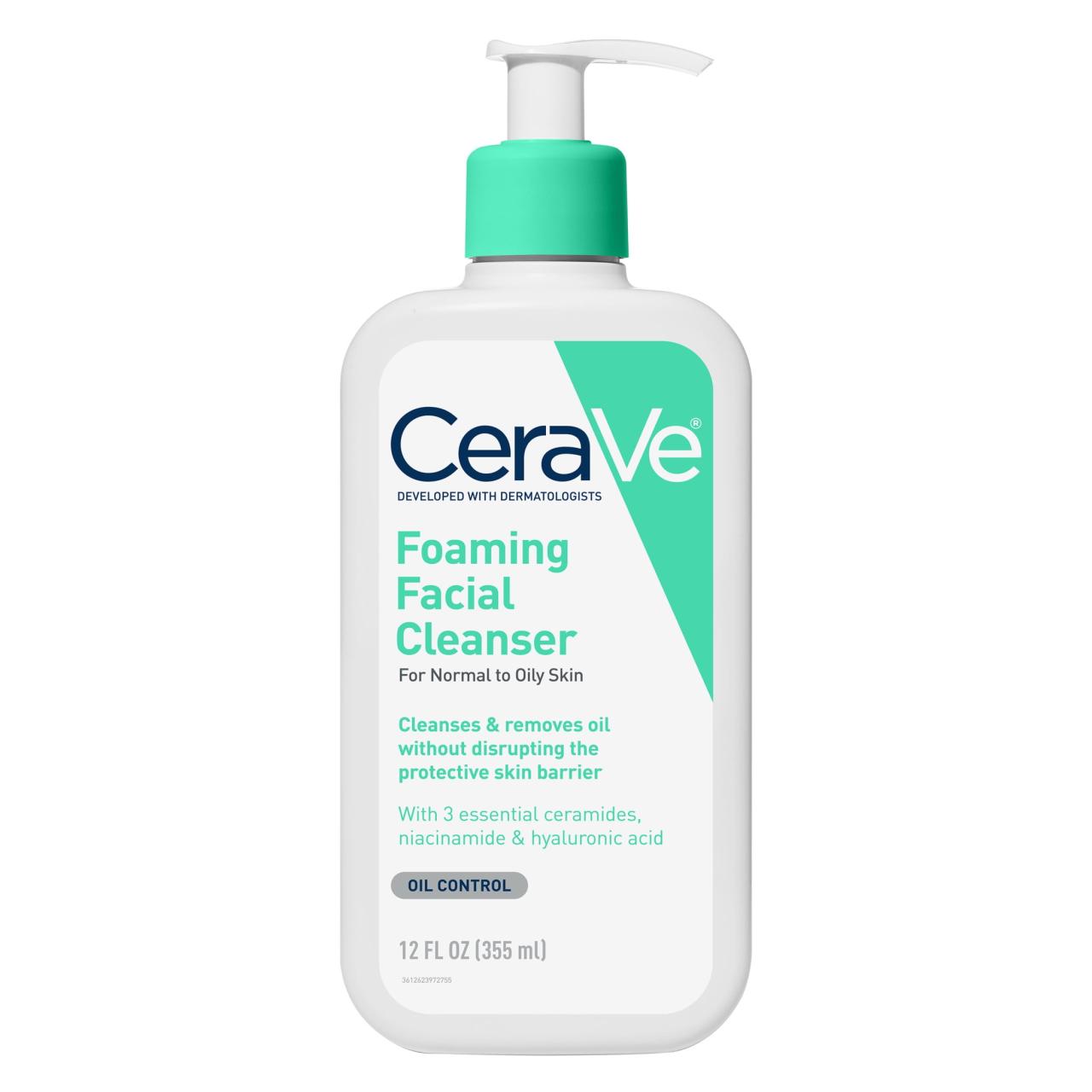
Choosing the right face cleanser is essential for maintaining healthy skin. The effectiveness of a cleanser largely depends on its ingredients, which can either enhance or diminish skin health. Understanding what to look for can help you choose a product that caters to your specific skin type and concerns. This guide explores key ingredients that make face cleansers effective, highlighting both natural and synthetic options.
Key Ingredients for Effective Cleansing
When selecting a face cleanser, certain ingredients can significantly enhance its performance. Below are some of the best ingredients to consider:
- Glycerin: A powerful humectant, glycerin draws moisture to the skin, keeping it hydrated and supple after cleansing. It’s commonly found in both natural and synthetic formulations.
- Aloe Vera: Known for its soothing properties, aloe vera is a natural ingredient that calms irritations and hydrates skin. It also possesses antibacterial properties, making it ideal for acne-prone skin.
- Salicylic Acid: A synthetic ingredient derived from willow bark, salicylic acid penetrates pores to exfoliate and clear breakouts. It’s widely used in products designed for oily and acne-prone skin.
- Tea Tree Oil: This natural antiseptic is renowned for its ability to fight acne bacteria and reduce inflammation, making it a popular choice in face cleansers.
- Hyaluronic Acid: A synthetic powerhouse, hyaluronic acid helps retain moisture, offering plumpness and hydration, suitable for all skin types.
- Charcoal: Often found in detoxifying cleansers, activated charcoal draws out impurities and excess oil, making it an excellent choice for oily skin.
The choice between natural and synthetic ingredients can have different implications for skin health. Natural ingredients often boast fewer side effects and are less likely to irritate sensitive skin. However, they may not always offer the same level of efficacy as some synthetic compounds, particularly in targeting specific skin concerns. For example, while aloe vera is soothing, salicylic acid’s targeted approach to acne makes it a more effective option for some individuals.
Impact of Fragrance and Preservatives
While fragrance can enhance the user experience of a face cleanser, it’s essential to consider its potential impact on skin health. Fragrances can cause irritation, especially for sensitive or allergy-prone skin. It is advisable to select fragrance-free products when possible.
Preservatives, on the other hand, play a crucial role in maintaining a product’s shelf life and preventing microbial growth. However, some preservatives, like parabens, have raised concerns about their long-term effects on skin health. Opting for products that use natural preservatives, such as vitamin E or rosemary extract, can help mitigate these concerns while ensuring the cleanser remains effective and safe to use.
“Understanding the ingredients in your face cleanser is key to achieving healthy, glowing skin.”
Common Mistakes When Using Face Cleansers
Using a face cleanser is an essential step in any skincare routine, but many people often overlook the finer points of this process. Mistakes can lead to skin irritation, imbalance, and even exacerbate existing skin issues. Understanding common pitfalls can greatly enhance the effectiveness of your cleansing routine and promote healthier skin overall.
One of the critical aspects of using face cleansers is recognizing frequent errors that many individuals make. These mistakes often stem from misconceptions about skin types, the importance of cleansing frequency, and the consequences of using incorrect products. Correcting these behaviors can lead to significant improvements in skin health and appearance.
Frequent Errors and Their Corrections
It’s vital to understand that not all cleansers are created equal. The following are common mistakes people make when using face cleansers and how to correct them:
- Over-Cleansing: Many individuals believe that washing their face multiple times a day will yield cleaner skin. However, over-cleansing can strip the skin of its natural oils, leading to dryness and irritation. Aim for cleansing twice a day—once in the morning and once before bed.
- Ignoring Skin Type: Using the wrong cleanser for your skin type can have dire consequences. For instance, those with oily skin may be tempted to use harsh cleansers, which can lead to increased oil production. It’s crucial to select a cleanser that suits your specific skin needs—gentle formulas for dry skin and foaming cleansers for oily skin.
- Inconsistent Cleansing: Skipping cleansing after workouts or at the end of the day invites breakouts and dullness. Consistency is key; cleanse your skin regularly to remove sweat, dirt, and makeup that can clog pores.
- Using Hot Water: While it may feel soothing, washing your face with hot water can damage the skin barrier. Instead, use lukewarm water as it effectively loosens dirt without harming your skin.
The frequency and timing of cleansing play a crucial role in maintaining skin health. Cleansing too infrequently can lead to a buildup of oil and dirt, whereas excessive cleansing can disrupt the natural moisture barrier, causing irritation and sensitivity. Finding a balance that suits your lifestyle and skin type is essential.
Using the wrong cleanser can have long-lasting effects on skin health. For example, a harsh scrub may initially feel effective but can lead to redness, sensitivity, and breakouts over time. This underscores the importance of choosing the right product formulated with gentle, skin-friendly ingredients.
“Cleansing is not just a chore; it’s a vital step in maintaining healthy, radiant skin.”
The Role of Face Cleansers in Specific Skin Conditions
For individuals with particular skin conditions such as acne, rosacea, or eczema, the choice and use of face cleansers can significantly impact skin health. These conditions require more than just basic cleansing; they demand a thoughtful approach that considers the skin’s unique needs. Using the right cleanser can not only help alleviate symptoms but also contribute to overall skin wellness.
Face cleansers formulated for specific skin conditions can assist in managing symptoms effectively. For instance, acne-prone skin often benefits from cleansers containing salicylic acid or benzoyl peroxide, which help unclog pores and reduce breakouts. In contrast, those with rosacea should opt for gentle, non-irritating products that avoid alcohol and fragrances, as these can exacerbate redness and inflammation. Eczema sufferers require hydrating cleansers that maintain moisture and support the skin barrier, which can often be compromised.
Tailored Cleansing Routines for Sensitive Skin versus Oily Skin
Creating a tailored cleansing routine is crucial for addressing the distinct needs of sensitive and oily skin types. For sensitive skin, the focus should be on minimizing irritation while effectively cleaning the skin. Recommended steps include:
1. Cleansing Frequency: Limit cleansing to once or twice daily to prevent over-drying and irritation.
2. Product Selection: Use a fragrance-free, hydrating cleanser with soothing ingredients like aloe vera or chamomile.
3. Application Technique: Apply the cleanser using gentle, circular motions with fingertips to avoid scrubbing, which can irritate sensitive skin.
On the other hand, individuals with oily skin should adopt a more proactive approach to controlling excess oil and preventing breakouts:
1. Cleansing Frequency: Cleansing twice daily is often necessary to remove excess oil and impurities.
2. Product Selection: Choose gel-based or foaming cleansers containing salicylic acid or tea tree oil for their oil-controlling properties.
3. Application Technique: Use a gentle scrubbing brush or a cleansing pad to enhance the cleansing effect, but limit this to avoid stripping the skin of essential moisture.
Selecting Products for Specific Dermatological Needs
Selecting the right cleanser is essential for managing specific dermatological conditions. Here are some tips to consider:
1. Ingredient Awareness: Familiarize yourself with ingredients that are beneficial or harmful for your skin condition. For example, look for fragrance-free products for sensitive skin and non-comedogenic formulations for acne-prone skin.
2. Patch Testing: Always perform a patch test when trying new products to check for adverse reactions, particularly if you have sensitive skin.
3. Consulting Professionals: Seek advice from dermatologists, especially for persistent skin conditions. They can recommend specific brands or formulations suited to your needs.
Using the right face cleanser can transform your skincare routine, significantly impacting the management of skin conditions.
DIY Face Cleanser Recipes and Their Benefits
Creating your own face cleanser at home can be a rewarding and effective way to care for your skin. Not only does it allow you to customize the ingredients to suit your specific skin type, but it also ensures that you know exactly what is going onto your face. With many commercial products containing harsh chemicals and preservatives, opting for DIY solutions can be a healthier alternative. Below are some simple recipes that you can easily prepare in your own kitchen.
Simple Recipes for Effective Homemade Face Cleansers
Using natural ingredients provides numerous benefits, including nourishment and hydration without the side effects associated with synthetic compounds found in many store-bought products. Here are three easy DIY face cleanser recipes that you can try:
1. Honey and Lemon Cleanser
– Ingredients: 1 tablespoon of honey, 1 teaspoon of lemon juice
– Instructions:
– In a small bowl, mix honey and lemon juice until combined.
– Apply the mixture to your face, avoiding the eye area.
– Gently massage in circular motions for about 1-2 minutes.
– Rinse off with warm water.
– Benefits: Honey is a natural antibacterial agent that helps to cleanse and hydrate the skin, while lemon juice brightens and tones.
2. Oatmeal and Yogurt Cleanser
– Ingredients: 2 tablespoons of finely ground oatmeal, 2 tablespoons of plain yogurt
– Instructions:
– Combine oatmeal and yogurt in a bowl until you form a paste.
– Apply to the face, massaging gently.
– Leave it on for 5-10 minutes and then rinse with cool water.
– Benefits: Oatmeal soothes irritated skin, absorbs excess oil, and acts as a gentle exfoliant. Yogurt contains probiotics and lactic acid, which help to maintain skin’s moisture balance.
3. Coconut Oil and Sugar Scrub
– Ingredients: 2 tablespoons of coconut oil, 1 tablespoon of sugar
– Instructions:
– Mix coconut oil and sugar together until smooth.
– Apply the scrub to your face, focusing on areas that need extra care.
– Rinse off with warm water after scrubbing for about 1-2 minutes.
– Benefits: Coconut oil is an excellent moisturizer with antifungal properties, while sugar acts as a natural exfoliant to remove dead skin cells.
Using natural ingredients over commercial products offers several advantages. Homemade cleansers can be free from synthetic fragrances, preservatives, and toxic substances, making them gentler on the skin. Additionally, they often provide essential nutrients that can improve skin health and appearance.
In terms of effectiveness, DIY recipes can rival many store-bought alternatives. For instance, studies have shown that honey has antimicrobial properties that can help treat acne, while many commercial products may fall short by containing alcohol or sulfates that can irritate sensitive skin. A well-formulated DIY cleanser, tailored to individual skin needs, can provide a better overall skin experience, leading to improved texture and radiance.
The Evolution of Face Cleansers Over the Years
The world of face cleansers has undergone significant transformations over the decades, reflecting broader beauty standards and consumer preferences. From the humble beginnings of soap and water to the advanced formulations we see today, each era has offered a unique perspective on skincare. This evolution not only highlights changing societal norms but also showcases how innovation in product formulation and technology has responded to the needs of consumers.
Historically, face cleansing was a straightforward process, primarily consisting of bar soaps made from natural ingredients. In the early to mid-20th century, as beauty standards began to lean towards a more polished and flawless appearance, the demand for specialized cleansing products grew. This shift saw the introduction of cream cleansers and a variety of toners, catering to diverse skin types and concerns. By the 1980s and 1990s, the beauty industry began to embrace the concept of “dual-purpose” products, where cleansers also served as moisturizers. This trend aligned with the growing understanding of skincare that emphasized hydration as a crucial component.
Advancements in Formulation and Technology
The cleansing industry has evolved significantly due to advancements in formulation and technology. The introduction of micellar water in the early 2000s marked a pivotal moment in cleansing. This innovative product uses tiny micelles to attract dirt and oil, providing an effective yet gentle cleansing option without the need for rinsing. Such efficiency appealed to the increasingly busy lifestyles of consumers, reflecting a growing demand for convenience in skincare routines.
Moreover, the rise of ‘clean beauty’ has spurred brands to re-evaluate their ingredient lists, leading to formulations that prioritize natural and sustainable components. Ingredients such as plant extracts, antioxidants, and probiotics have become staples in modern face cleansers, promoting an approach that emphasizes skin health rather than merely cosmetic enhancement.
Consumer demand has substantially influenced product development in this sector. As awareness around skin conditions like acne, eczema, and rosacea has increased, brands have responded by tailoring their products to address specific skin concerns. This has led to the creation of a wide range of targeted cleansers, such as those formulated with salicylic acid for acne-prone skin or hydrating cleansers infused with hyaluronic acid for dry skin types.
The immense variety available reflects a broader trend towards personalization in beauty, where consumers are increasingly seeking products that cater to their individual needs. As a result, face cleansers have transformed from basic hygiene products to essential elements of comprehensive skincare regimens, embodying the dynamic relationship between consumer preferences and product innovation.
Eco-Friendly and Sustainable Practices in Face Cleanser Production
In today’s world, the importance of sustainability cannot be overstated, especially in the beauty and skincare industries. The production of face cleansers plays a significant role in environmental conservation, as it encompasses not only the ingredients used but also the manufacturing processes and packaging choices that impact the planet. By prioritizing eco-friendly practices, brands not only contribute to a healthier environment but also cater to a growing consumer demand for sustainable products.
Sustainability in face cleanser production involves sourcing natural and responsibly harvested ingredients free from harmful chemicals that may lead to pollution or disrupt ecosystems. Many conventional cleansers contain synthetic surfactants, parabens, and other additives that can have adverse environmental effects. The importance of choosing biodegradable or plant-based ingredients becomes apparent when considering their reduced impact on aquatic life and soil health. Additionally, eco-friendly manufacturing processes that minimize waste and energy consumption are essential. Brands emphasizing green chemistry can reduce their carbon footprint, ensuring a more sustainable approach to product development.
Impact of Packaging Choices on the Environment
Packaging is a critical aspect of product sustainability that often goes unnoticed. The environmental impact of packaging can be significant, affecting everything from production to disposal. Traditional plastic packaging is notorious for contributing to pollution and landfill overflows, as it can take hundreds of years to decompose. In contrast, brands that prioritize eco-friendly packaging opt for materials that are recyclable, compostable, or made from post-consumer recycled content.
To illustrate the importance of sustainable packaging choices, consider the following brands that have pioneered eco-friendly practices in their cleansing products:
- Ethique: This brand offers solid face cleansers that come in compostable packaging, reducing plastic waste significantly.
- Juice Beauty: They utilize recyclable packaging and focus on organic ingredients that are sustainably sourced.
- Lush: Known for their fresh handmade cosmetics, Lush emphasizes the use of minimal packaging and encourages customers to return empty containers for recycling.
- Pacifica: This brand offers products in 100% recyclable packaging and is committed to using vegan and cruelty-free ingredients.
By supporting brands that prioritize eco-friendly practices, consumers can play an active role in fostering sustainability within the beauty industry. Adopting these practices not only benefits the planet but also promotes a culture of accountability and mindfulness concerning beauty consumption.
“The choices we make in our beauty routines can either harm or heal our planet.”
Closing Notes
In summary, face cleansers are not just an optional step but a vital part of your daily skincare regimen. Choosing the right product can make all the difference in your skin’s health and appearance. From understanding your unique skin type to exploring DIY options and eco-friendly brands, this guide equips you with the knowledge needed to make informed decisions for your skincare journey. Remember, healthy skin begins with a solid cleansing routine!
Answers to Common Questions
How often should I use a face cleanser?
Generally, it’s recommended to cleanse your face twice daily, once in the morning and once before bed.
Can I use body soap as a face cleanser?
It’s best to avoid body soap as it can be too harsh for your facial skin, leading to dryness or irritation.
What should I do if I experience irritation from a cleanser?
If irritation occurs, stop using the product immediately and consider consulting a dermatologist for alternatives.
Are more expensive face cleansers always better?
Not necessarily; effectiveness depends on the ingredients and how well they work for your skin type, not just the price.
Can I make my own face cleanser at home?
Absolutely! DIY face cleansers can be effective and often use natural ingredients that are gentle on the skin.