
 Widya pasha
Leather jackets have transcended mere clothing to become a symbol of rebellion, style, and individuality. From their humble beginnings to their status as a fashion must-have, these jackets have evolved through various eras, adopted by subcultures and celebrated by icons throughout history.
In this exploration, we will delve into the diverse types of leather, essential styling tips, and the cultural significance of leather jackets. We will also touch on maintenance practices, celebrity endorsements, and the environmental impact of leather production, offering a comprehensive view of this timeless piece of outerwear.
The historical evolution of leather jackets and their significance in fashion culture
Leather jackets have a rich history that stretches back to the early 20th century, originating from their practical use in aviation and military settings. Over the decades, these jackets have evolved not just in design but also in cultural significance, becoming a staple in various fashion movements and subcultures. This transformation has solidified the leather jacket’s place in both style and social commentary.
The origins of leather jackets can be traced to the early 1900s, primarily worn by pilots and military personnel due to their durability and protection from the elements. The first significant representation in fashion came with the introduction of the A-2 flight jacket, favored by American aviators during World War II. After the war, leather jackets transitioned into civilian life, gaining popularity with the rise of youth subcultures in the 1950s and 60s, particularly among rebels and rock ‘n’ roll icons.
Adoption by Subcultures
Leather jackets have been synonymous with various subcultures over the decades, each adopting and adapting the garment to reflect their identity and ethos. The following points illustrate the significance of leather jackets in these movements:
- 1950s Greasers: This rebellious youth group wore leather jackets as a statement of defiance against mainstream culture, often paired with slick hairstyles and denim. The look was immortalized by icons like Marlon Brando in “The Wild One,” reinforcing the jacket’s connection to rebellion.
- 1960s Rockers: The leather jacket became a staple of rock music culture, embraced by bands like The Rolling Stones and The Who. The style symbolized freedom and non-conformity, influencing fashion on and off the stage.
- Punk Movement in the 1970s: Punks adopted the leather jacket as a uniform, often decorating them with studs, patches, and graffiti. This customization reflected individuality and resistance against societal norms, with figures like Sid Vicious epitomizing the look.
- Modern Fashion Influence: In contemporary fashion, leather jackets continue to be a versatile piece, embraced by designers during fashion weeks. Brands such as Balenciaga and Schott NYC have kept the classic silhouette alive while introducing innovative materials and designs.
The jacket’s iconic status has been further cemented by notable figures in pop culture. For instance, the late Steve McQueen is often remembered for his rugged style, frequently donning a leather jacket in films like “The Great Escape,” which contributed to the garment’s masculine allure. Similarly, the influence of celebrities like Madonna and Michael Jackson in the 80s redefined the leather jacket, incorporating it into a more glamorous, mainstream fashion narrative.
“The leather jacket transcends mere fashion; it embodies an attitude, a spirit of rebellion and independence that resonates across generations.”
The leather jacket’s journey through fashion history showcases its resilience and adaptability, making it a timeless staple that continues to evolve while retaining its core symbolism of rebellion, identity, and style.
The various types of leather used in jackets and their unique characteristics
Leather jackets are a timeless fashion staple, known for their rugged yet stylish appeal. The type of leather used in a jacket significantly influences its texture, durability, and overall aesthetic. Understanding the different kinds of leather helps consumers make informed decisions when choosing the right jacket for their needs.
There are several types of leather commonly used in jackets, each with unique characteristics that cater to different preferences and uses. The most prevalent types include cowhide, lambskin, and goatskin. Each type offers distinct textures and levels of durability, making them suitable for various styles and purposes.
Cowhide Leather
Cowhide leather is one of the most durable types of leather, making it popular for motorcycle jackets and workwear. Its natural grain provides a rugged appearance while maintaining a degree of smoothness.
– Texture and Durability: Cowhide has a thick and rugged texture, offering excellent resistance to wear and tear. It’s also water-resistant to a degree, making it suitable for various weather conditions.
– Advantages: The durability of cowhide makes it ideal for protective outerwear, ensuring longevity. It develops a beautiful patina over time, enhancing its appeal.
– Disadvantages: The thickness can make cowhide less flexible, potentially resulting in a stiffer feel compared to softer leathers. It may also require a break-in period for optimal comfort.
Lambskin Leather
Lambskin leather is known for its buttery softness and luxurious feel, often used in high-end fashion jackets. Its lightweight nature offers a different experience compared to thicker leathers.
– Texture and Durability: Lambskin is incredibly soft and smooth, providing a comfortable fit. However, it is less durable than cowhide and more susceptible to scratches and wear.
– Advantages: The softness of lambskin makes it extremely comfortable to wear and flattering in silhouette. It’s often favored for its elegance in fashion-forward designs.
– Disadvantages: Its delicate nature means that lambskin jackets may require more care to maintain their appearance. They are less suitable for rugged conditions or heavy use.
Goatskin Leather
Goatskin leather strikes a balance between the durability of cowhide and the softness of lambskin. It is known for its fine grain texture and natural elasticity.
– Texture and Durability: Goatskin is soft yet resilient, offering a unique combination of comfort and durability. It resists wrinkling, making it a practical choice for everyday wear.
– Advantages: The elasticity allows for ease of movement, making it a great option for active use. Additionally, goatskin maintains its appearance well over time and develops a rich patina.
– Disadvantages: While goatskin is durable, it may not provide the same level of protection as cowhide, especially in extreme conditions.
High-quality leather not only enhances the style of a jacket but also contributes significantly to its longevity.
The quality of leather used profoundly affects the overall style and durability of a jacket. Higher-grade leathers tend to be more expensive but provide greater longevity and a more refined look. Investing in a well-crafted leather jacket can pay off in terms of both style and functional durability, ensuring it remains a beloved wardrobe piece for years.
Essential styling tips to incorporate leather jackets into everyday outfits
Leather jackets are timeless pieces that add an edgy vibe to any outfit, making them a staple in contemporary fashion. With their versatility, they can be styled for various occasions, from casual outings to more formal events. Understanding how to effectively pair them with different clothing styles, color palettes, and accessories can elevate your wardrobe and ensure you look effortlessly stylish.
Pairing leather jackets with different clothing styles
Utilizing a leather jacket in your outfit allows for a range of styles, ensuring you remain fashionable in different settings. Here are a few combinations to consider for various occasions:
- Casual Outings: Pair a black leather jacket with a white T-shirt, distressed jeans, and ankle boots for a classic laid-back look. This is ideal for coffee dates or casual meet-ups with friends.
- Office Wear: A fitted leather jacket over a tailored blouse and straight-leg trousers can create a polished look suitable for work. Opt for neutral colors to maintain professionalism.
- Night Events: Layer a leather jacket over a little black dress and complete the look with high-heeled boots. This combination is perfect for parties or evening gatherings, adding a touch of rock-chic to your style.
- Weekend Getaways: For a relaxed weekend vibe, wear a leather jacket over a graphic tee and joggers. This comfy yet trendy look is perfect for road trips or casual outings.
Color coordination and accessory options
Choosing the right colors and accessories can enhance the overall appearance of your leather jacket outfit. Here are some tips for effective color coordination and accessorizing:
- Color Choices: Black leather jackets pair well with almost every color, but earthy tones like olive green, tan, and burgundy create a harmonious look. For brown jackets, try pairing them with soft pastels or denim.
- Accessorizing: Layering necklaces, bold earrings, or statement rings can add personality to your outfit. A scarf can introduce texture, while a hat can enhance your overall style.
- Footwear: Combat boots or sleek ankle boots complement the rugged aesthetic of leather jackets. For a more elegant touch, opt for pointed-toe heels or loafers, depending on the occasion.
Layering techniques for comfort and style
Layering is essential when styling leather jackets, especially in varying climatic conditions. Effective layering can keep you comfortable while maintaining a stylish appearance. Consider the following techniques:
- Base Layer: Start with a lightweight, breathable fabric like cotton or modal as your base layer. This ensures comfort underneath the leather jacket, especially during warmer months.
- Mid-Layer: Incorporating a thin sweater or hoodie can provide warmth during colder seasons. Choose a fitted option to avoid bulkiness under the jacket.
- Outer Layer: Ensure your leather jacket fits well but has enough room to accommodate the layers beneath without feeling constricting. Experiment with different lengths and styles of jackets to find the best fit for your personal aesthetic.
“Layering is not just about warmth; it’s a chance to express your style through the thoughtful combination of pieces.”
Maintenance practices to ensure the longevity of leather jackets
Taking care of a leather jacket is paramount to preserving its appearance and extending its lifespan. Regular maintenance not only keeps the leather looking sleek and polished but also prevents potential damage from environmental factors. Understanding the proper cleaning and conditioning methods is essential for any leather jacket owner. Below are effective practices to ensure your leather jacket stands the test of time.
Cleaning and Conditioning Procedure
To maintain the integrity of leather, it’s vital to follow a structured cleaning and conditioning process. Here’s a step-by-step guide:
- Gather Supplies: You will need a soft cloth, leather cleaner, leather conditioner, and a soft brush.
- Dust the Jacket: Use the soft brush to remove any dust or loose dirt from the surface.
- Test Cleaner: Before applying any cleaner, test a small inconspicuous area to ensure it doesn’t discolor the leather.
- Apply Cleaner: Dampen the soft cloth with the leather cleaner and gently rub it over the jacket, focusing on stained areas.
- Wipe Off Cleaner: Use a clean, slightly damp cloth to wipe away the cleaner residue.
- Dry the Jacket: Allow the jacket to air dry away from direct sunlight or heat sources, which can cause cracking.
- Condition the Leather: Once dried, apply a small amount of leather conditioner to another clean cloth and rub it gently into the leather.
- Buff the Jacket: After conditioning, buff the leather with a dry cloth to restore its shine.
This routine not only enhances the look of the leather but also provides essential moisture, preventing it from drying out and cracking.
Common Mistakes to Avoid
When it comes to caring for leather, several common missteps can lead to irreversible damage. Avoid these pitfalls to keep your leather jacket in pristine condition:
- Using Harsh Cleaners: Avoid cleaners with alcohol or ammonia, as they can strip the leather of its natural oils.
- Ignoring Stains: Address stains promptly; leaving them untreated can lead to permanent discoloration.
- Over-Washing: Too frequent cleaning can weaken the leather. Stick to a routine of every few months unless necessary.
- Exposing to Heat: Never dry or store your jacket near radiators or in direct sunlight, as high temperatures can damage the material.
- Storing Improperly: Hanging leather jackets on thin hangers can cause them to lose shape. Use padded hangers instead.
By avoiding these common mistakes, you can significantly enhance the durability of your leather jacket.
Proper Storage Techniques
Storing your leather jacket correctly is crucial to preventing wear and tear. Here are key tips for effective storage:
“Proper storage is just as important as regular cleaning for maintaining the quality of leather.”
- Use a Breathable Garment Bag: Store your jacket in a breathable bag to protect it from dust without trapping moisture.
- Avoid Plastic Covers: Plastic can cause mold and mildew; opt for cotton or linen instead.
- Keep in a Cool, Dry Place: Store your jacket in a climate-controlled space to prevent leather from drying out or becoming overly humid.
- Maintain Shape: Use padded hangers or lay flat in a drawer to help maintain the jacket’s silhouette.
By following these storage practices, you ensure that your leather jacket remains in excellent condition, ready to wear whenever you need it.
The influence of celebrity endorsements on the popularity of leather jackets
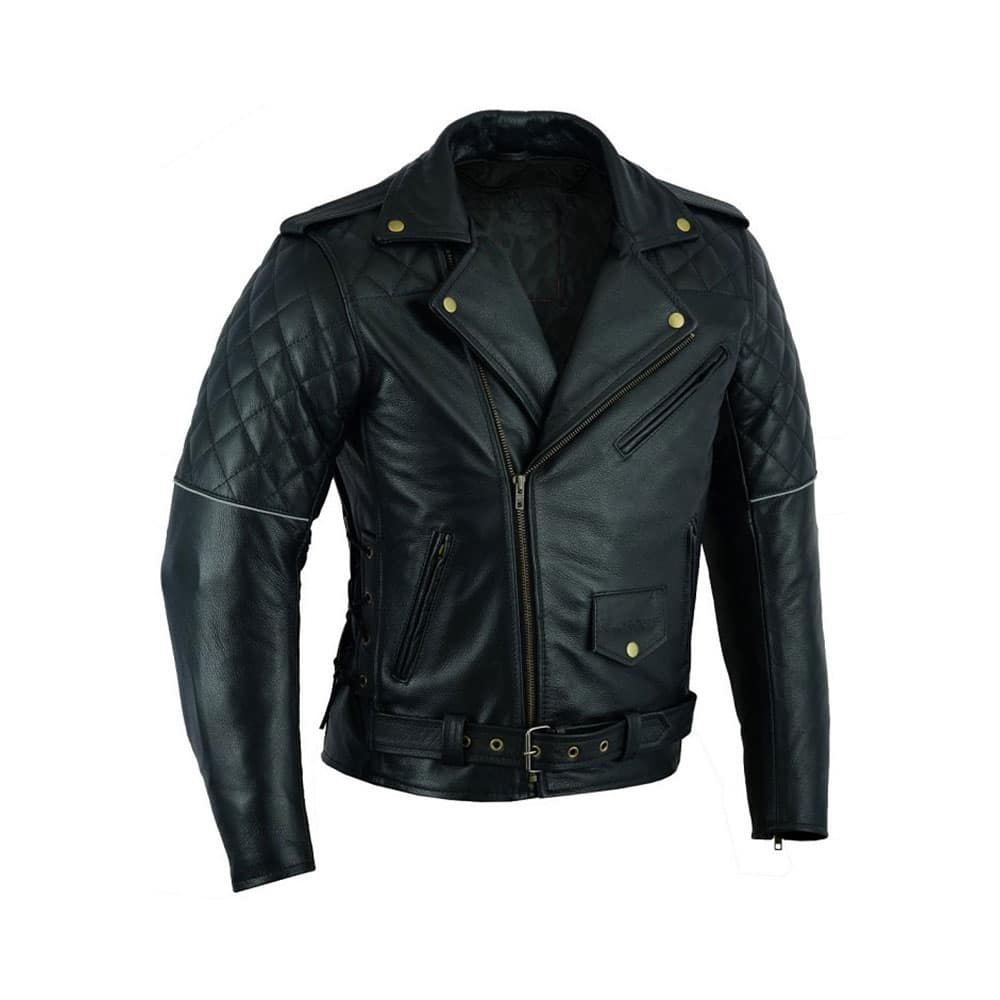
The impact of celebrity endorsements on fashion trends is undeniable, and leather jackets are no exception. From Hollywood glam to rock ‘n’ roll rebellion, celebrities have played a crucial role in shaping the public’s perception and desirability of leather jackets. These iconic pieces of outerwear are not just clothing; they represent a lifestyle, attitude, and a sense of belonging to a cultural movement.
Celebrity endorsements have significantly influenced the fashion choices of fans and followers, establishing leather jackets as timeless staples. Celebrities often wear leather jackets in ways that resonate with their personal style, leading to broader trends. For instance, the rugged appeal of actors in blockbuster films or the edgy vibe of musicians can elevate the leather jacket from mere fashion to a statement piece.
Iconic moments in film and music history
Throughout film and music history, there have been several defining moments where leather jackets became synonymous with cultural icons. These moments not only popularized the jacket but also contributed to its status as a symbol of rebellion and coolness. Noteworthy examples include:
- James Dean in “Rebel Without a Cause”: In this classic film, Dean’s red leather jacket epitomized teenage rebellion and angst, cementing the leather jacket as a fashion must-have for the youth of the era.
- Grease (1978): The film showcased the iconic black leather jackets worn by the T-Birds, influencing generations and making the style a staple in high school fashion.
- The Ramones: This legendary punk band popularized the leather jacket in the music scene, transforming it into a symbol of counterculture and nonconformity.
- Madonna in “Like a Virgin”: Her use of a leather jacket in this music video added a layer of femininity to the traditionally masculine garment, broadening its appeal.
The resurgence of leather jackets can also be attributed to the rise of social media, where celebrity fashion choices can be instantly shared and replicated. Platforms like Instagram and TikTok have allowed fans to closely follow their favorite celebrities and adopt their styles in real-time. As celebrities post photos donning leather jackets, they encourage their followers to embrace this timeless piece, leading to a renewed interest in various leather jacket styles.
“The combination of celebrity influence and social media has transformed the leather jacket from a mere clothing item into a fashion phenomenon.”
In contemporary fashion, social media influencers play a significant role in shaping trends. Their endorsements, whether through styled posts or collaborations with brands, can lead to a surge in demand for leather jackets, further embedding this garment into everyday fashion. Celebrities now have the power to make leather jackets a sought-after item, leading to new styles, colors, and designs emerging to meet consumer demand.
The environmental impact of leather production and alternatives available
The production of leather has long been associated with various environmental concerns, primarily due to the methods used in its tanning and processing. Traditional leather production often results in significant ecological damage, making it imperative to explore sustainable alternatives that can mitigate these impacts.
Leather production typically involves the use of toxic chemicals like chromium, which not only pose health risks to workers but also contaminate local water sources. The livestock industry, which provides hides for leather, is also a substantial contributor to greenhouse gas emissions, deforestation, and biodiversity loss. The resources required for animal farming, including water and feed, are immense, leading to unsustainable practices that harm the environment.
Ecological concerns related to traditional leather production methods
The environmental ramifications of traditional leather production are multifaceted. Key issues include:
- Water Pollution: The tanning process generates toxic wastewater that can contaminate local waterways, affecting both wildlife and human populations.
- Greenhouse Gas Emissions: Livestock farming is a significant source of methane, a potent greenhouse gas, contributing to climate change.
- Deforestation: To create grazing land for cattle, large areas of forest are cleared, leading to habitat destruction and loss of biodiversity.
- Resource Intensity: The leather industry is resource-intensive; it requires considerable amounts of water and energy for production.
In light of these concerns, sustainable alternatives have emerged that aim to reduce the environmental footprint of leather goods.
Sustainable alternatives to traditional leather
The fashion industry has seen a rise in sustainable alternatives to leather, including vegan leather made from plant materials or synthetic sources, and recycled materials. These options present various benefits over traditional leather.
- Vegan Leather: Often produced from materials like pineapple leaves (Piñatex), cork, or even apple peels, vegan leather avoids the toxic chemical processes associated with traditional leather. It is often biodegradable, minimizing long-term environmental impact.
- Recycled Materials: Some brands utilize recycled plastics and textiles to create leather-like products. This reduces waste and lessens the demand for new raw materials, contributing to a circular economy.
- Biodegradable Leather: Innovations in biotechnology have led to developments in bio-leather, which is made from mycelium (mushroom roots) or lab-grown animal cells. These materials not only offer a leather-like quality but also break down naturally without harming the environment.
Innovations in the fashion industry
Many brands in the fashion industry are embracing innovative methods to reduce the environmental impact of leather goods. These innovations focus on sustainability while maintaining style and quality.
- Waterless Tanning Processes: Technologies are being developed that eliminate the need for water in the tanning process, significantly reducing waste and pollution.
- Eco-Friendly Production Techniques: Companies are adopting techniques that utilize less energy and generate fewer emissions throughout the production cycle.
- Transparency and Traceability: Many fashion brands are adopting more transparent supply chains, allowing consumers to make informed choices about the environmental credentials of their leather products.
The shift towards sustainable practices in the leather production industry reflects a growing awareness of the ecological issues associated with traditional methods. By exploring alternatives and innovations, the fashion industry can take significant strides toward a more sustainable future.
Customization options for leather jackets to reflect personal style
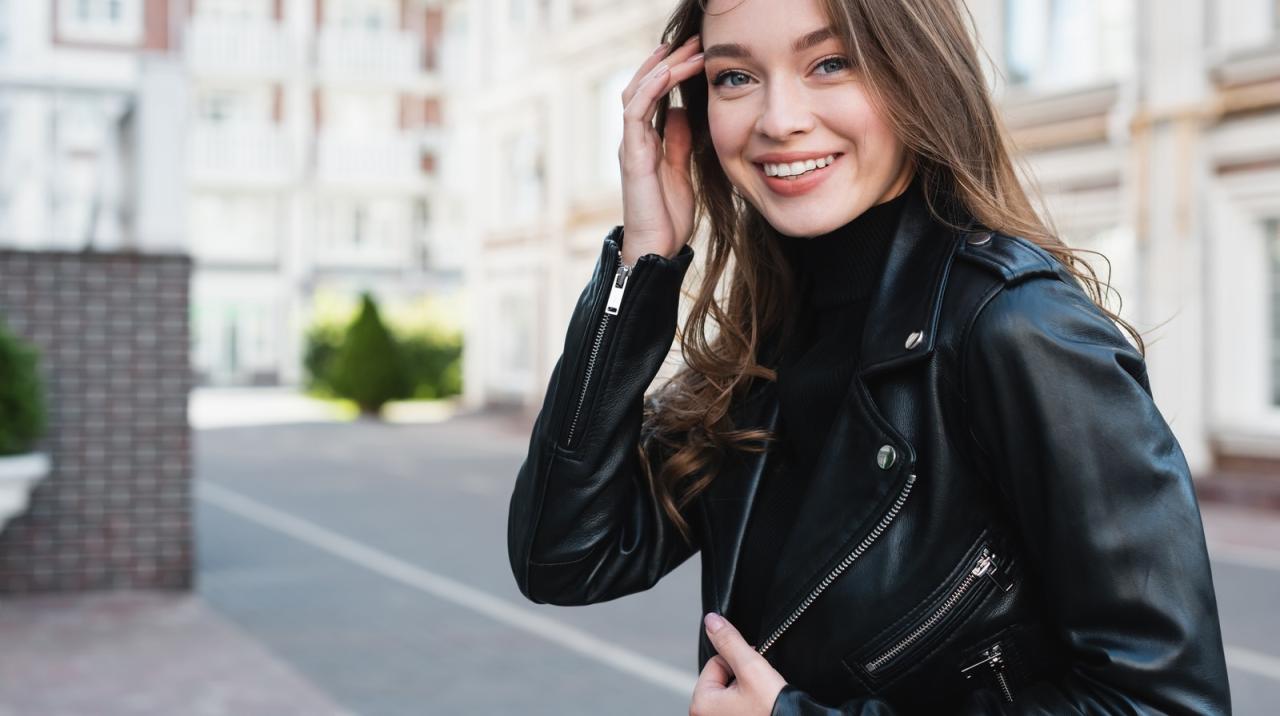
Personalizing a leather jacket is an opportunity for self-expression, allowing you to create a unique piece that reflects your individuality. With the myriad of customization options available, you can transform a standard jacket into something that truly represents your style. The following sections explore popular techniques and the benefits of customizing your jacket compared to purchasing off-the-rack options.
Popular customization techniques
When it comes to personalizing your leather jacket, a range of techniques can be employed to achieve the desired look. These methods not only enhance the aesthetic appeal but also add a personal touch. Here are some widely-used customization options:
- Embroidery: Adding intricate designs, text, or logos through embroidery can provide a unique flair. Custom embroidery can range from names and initials to elaborate designs that resonate with your personality.
- Patches: Sewn or ironed patches are a fun way to showcase interests or affiliations. Whether they represent bands, clubs, or personal hobbies, patches can easily be swapped out or replaced as tastes change.
- Alterations: Tailoring the fit of your jacket can ensure it complements your body shape. Adjustments can include shortening sleeves, tapering the waist, or adding features like a hood or additional pockets.
- Color treatments: Custom dyeing techniques can alter the color of your leather, giving it a completely new vibe. From classic to bold shades, the options are virtually limitless.
- Studs and spikes: Adding metal embellishments gives a rugged, edgy appeal. Studded designs can be placed strategically for a bold statement or subtle accents.
Each of these techniques allows you to inject your personality into the garment, making it a true representation of who you are.
Benefits of personalizing a leather jacket
Opting for a customized leather jacket carries distinct advantages over purchasing a ready-made option. A personalized approach allows you to consider several key benefits:
- Uniqueness: With a customized jacket, you ensure that your piece is one-of-a-kind, setting you apart from mass-produced versions found in stores.
- Fit: Tailored jackets provide a better fit, enhancing comfort and style. Each alteration can be made to cater to your specific body dimensions, ensuring you feel great while wearing it.
- Sentimental value: A customized jacket often holds more personal significance, making it not just a piece of clothing but a representation of your style journey and memories.
- Quality materials: Custom jobs usually allow you to select high-quality materials, ensuring that your jacket not only looks good but also lasts longer.
These benefits highlight how investing in a personalized leather jacket can lead to greater satisfaction and pride in your clothing choices.
Collaborating with designers for bespoke pieces
Working with a designer to create a bespoke leather jacket offers a unique experience that results in a truly personalized garment. This collaboration can take various forms, and understanding the process can help you achieve the perfect outcome.
The collaboration process typically begins with an initial consultation where you discuss your vision, style preferences, and budget. Designers often provide insights on materials and techniques that align with your ideas. Throughout this process, consider the following:
- Concept development: Designers often sketch initial ideas based on your input, helping you visualize the final product.
- Material selection: You can choose from a variety of leather types, colors, and finishes, ensuring the jacket reflects your aesthetic.
- Fittings: Multiple fitting sessions may be scheduled to ensure the jacket fits perfectly as it is constructed. This step is crucial for achieving a tailored look.
- Final touches: Once the jacket is nearly complete, you can add final details such as embroidery, studs, or patches, allowing for a completely customized finish.
This collaborative process not only results in a jacket that fits perfectly but also embodies your personal style and preferences, making it a treasured wardrobe staple.
The role of leather jackets in pop culture and their symbolism
Leather jackets have long been revered as a cultural icon, representing rebellion, freedom, and a distinct sense of style. Their roots can be traced back to various movements, from the post-war biker culture to the punk rock scene, and they have made a lasting impact on fashion and identity across generations. The symbolism of leather jackets transcends mere aesthetics; they embody a spirit of defiance and individuality that resonates deeply with audiences in films and literature.
The portrayal of leather jackets in films and literature often aligns with themes of rebellion and freedom. These garments serve as a visual shorthand for characters who challenge societal norms and assert their independence. For instance, in classic films like “Rebel Without a Cause,” James Dean’s character dons a leather jacket, symbolizing youthful defiance against authority and the struggles of adolescence. Similarly, in “The Wild One,” Marlon Brando’s leather-clad biker represents a rejection of conventional values and an embrace of the counterculture.
Iconic characters and cultural implications
Leather jackets are frequently worn by characters who embody the spirit of rebellion and nonconformity, leaving a lasting mark on pop culture. Their symbolism is deeply intertwined with the narratives they inhabit, often reflecting broader societal attitudes. Here are a few iconic characters that have made significant cultural impacts through their association with leather jackets:
- James Dean in “Rebel Without a Cause”: His portrayal of Jim Stark highlighted teenage angst and rebellion, making the leather jacket a symbol of youthful defiance.
- Marlon Brando in “The Wild One”: Brando’s character epitomized the disaffected youth of the 1950s, with the leather jacket signifying a break from societal expectations.
- Grease’s Danny Zuko: The leather jacket became a representation of coolness and charisma, reflecting the emerging youth culture of the late 20th century.
- John Travolta in “Pulp Fiction”: Vincent Vega’s jacket not only reflected a stylish aesthetic but also emphasized his rebellious attitude within the gritty crime narrative.
- Tom Hardy in “The Dark Knight Rises”: As Bane, Hardy’s leather jacket portrayed a menacing presence, linking the garment with power and intimidation.
The resurgence of leather jackets in modern fashion illustrates their evolving symbolism. They have transitioned from being exclusive to subcultures to being embraced by high fashion and mainstream trends. Designers have incorporated leather jackets into their collections, reimagining them with innovative cuts and colors, appealing to a wider audience. This shift reflects a broader acceptance of diverse styles and the idea that leather jackets can represent not only rebellion but also sophistication and versatility.
As fashion cycles continue, the leather jacket remains a staple, symbolizing both a nostalgia for past eras and a contemporary interpretation of freedom and self-expression. In today’s world, wearing a leather jacket can convey a sense of confidence and individuality, allowing wearers to connect with a rich cultural history while making their unique statements.
Final Wrap-Up
In conclusion, the leather jacket remains a versatile and enduring wardrobe staple that embodies personal style and cultural significance. Whether you’re looking to make a fashion statement or simply seeking warmth, understanding its history, styling options, and maintenance care allows you to fully embrace this iconic piece.
FAQ Compilation
How should I clean my leather jacket?
Use a damp cloth for light cleaning and a specialized leather cleaner for deeper stains, followed by conditioning to maintain leather quality.
Can I wear a leather jacket in the rain?
It’s best to avoid heavy rain, but if it gets wet, gently wipe it down and let it air dry away from direct heat sources.
What should I look for when buying a leather jacket?
Check the type of leather, stitching quality, fit, and lining; consider how it complements your personal style and needs.
How do I store my leather jacket?
Store it on a wide hanger in a cool, dry place away from direct sunlight to prevent fading and cracking.
Are there vegan alternatives to leather jackets?
Yes, there are many stylish alternatives made from synthetic materials and innovative textiles that mimic leather without animal products.
How do I know if my leather jacket fits well?
It should fit snugly but comfortably, allowing for movement without being too loose; check the shoulder seams, arm length, and body length for a proper fit.