
 Widya pasha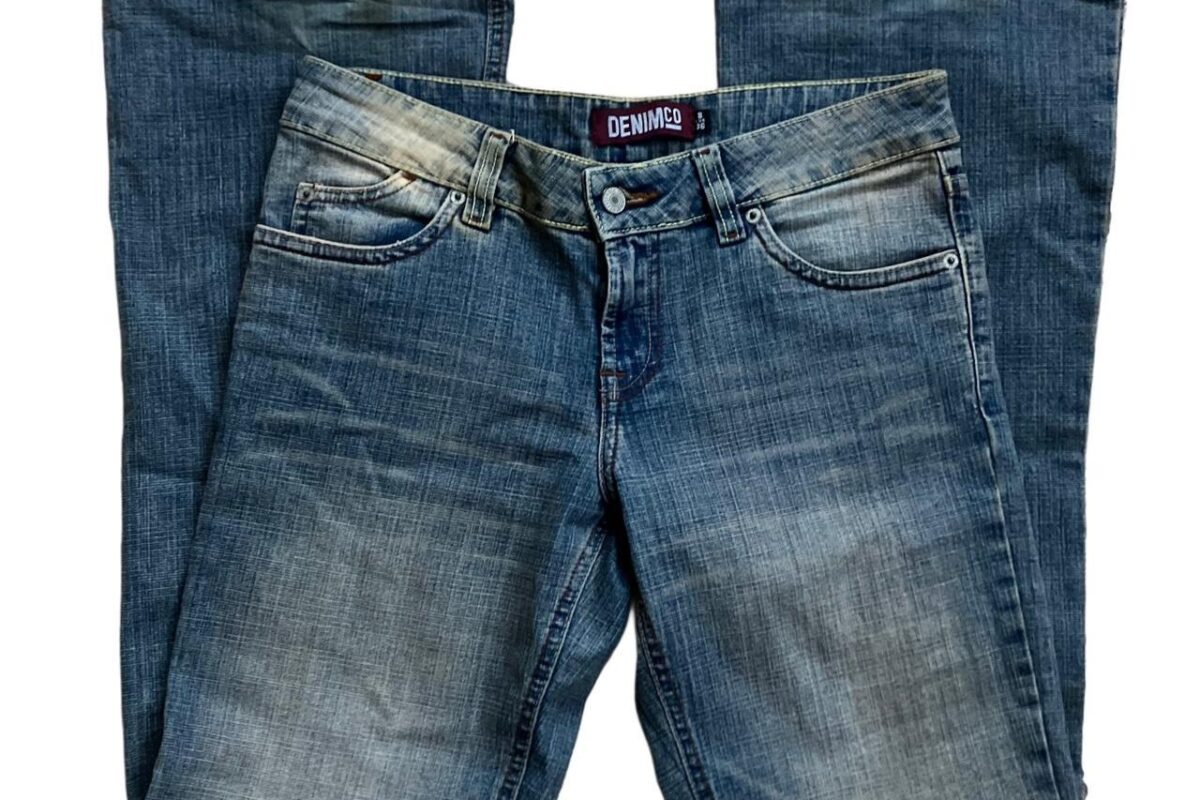
Denim jeans have not just stood the test of time; they’ve evolved into a cultural phenomenon that resonates across generations. From their rugged origins designed for miners to their current status as a fashion essential, denim jeans embody a unique blend of utility and style. This evolution reflects changing societal norms, making jeans a canvas for self-expression.
As we explore the journey of denim jeans, we’ll uncover their historical evolution, the various fabrics that shape them, their role as a fashion statement, and the sustainable practices that are reshaping the industry. Denim jeans are more than just a piece of clothing—they’re a reflection of identity, culture, and a commitment to the future of fashion.
The Historical Evolution of Denim Jeans
Denim jeans have undergone a fascinating transformation since their inception, evolving from rugged workwear to a global fashion staple. Originating in the late 19th century, their journey reflects broader social and cultural changes, marking significant moments in fashion history. This discussion explores the origins of denim and its cultural significance, tracing its evolution through various fashion eras and identifying key figures who have shaped its popularity.
The history of denim jeans began in the 1870s when tailor Jacob Davis partnered with Levi Strauss, a dry goods merchant, to create durable pants for laborers. These trousers were made from a sturdy cotton twill fabric known as denim, which originated from the French town of Nîmes. The combination of this fabric and the riveted design was revolutionary for its strength and practicality, appealing to workers in industries like mining and agriculture. As the 20th century progressed, denim transitioned from a utilitarian garment to a symbol of rebellion, particularly during the 1950s. Hollywood icons like James Dean and Marlon Brando donned jeans in films, associating them with youthful defiance and counterculture movements.
Fashion Eras Influencing Denim Jeans
Denim jeans have seen various fashion trends and cultural shifts that have influenced their popularity and style. Understanding these shifts highlights the dynamic nature of denim throughout history.
The 1960s brought about a cultural revolution that embraced individuality and self-expression. Denim became a canvas for personal style, with various cuts and washes emerging. The hippie movement played a pivotal role in popularizing flared jeans, while the punk rock scene introduced distressed styles, further diversifying denim’s appeal.
In the 1980s, jeans took on a more mainstream presence, with brands like Calvin Klein and Guess marketing high-fashion denim. This era saw the rise of designer jeans, transforming denim into a luxury item. The 1990s continued this trend, with the introduction of baggy silhouettes and grunge aesthetics, as exemplified by iconic bands such as Nirvana.
The 2000s marked a significant shift with the emergence of skinny jeans as a dominant style, influenced by celebrities and fashion icons. This trend solidified denim’s place in contemporary fashion, leading to endless variations, including jeggings and cropped styles.
Key figures in the denim industry, such as Ralph Lauren and Giorgio Armani, have also played essential roles in elevating denim’s status within the realm of high fashion. Their designs have showcased denim’s versatility, proving it can simultaneously convey casual comfort and sophisticated elegance.
Overall, denim jeans have transcended their humble beginnings, embracing cultural shifts and fashion revolutions to become a timeless wardrobe staple recognized worldwide.
The Different Types of Denim Fabrics
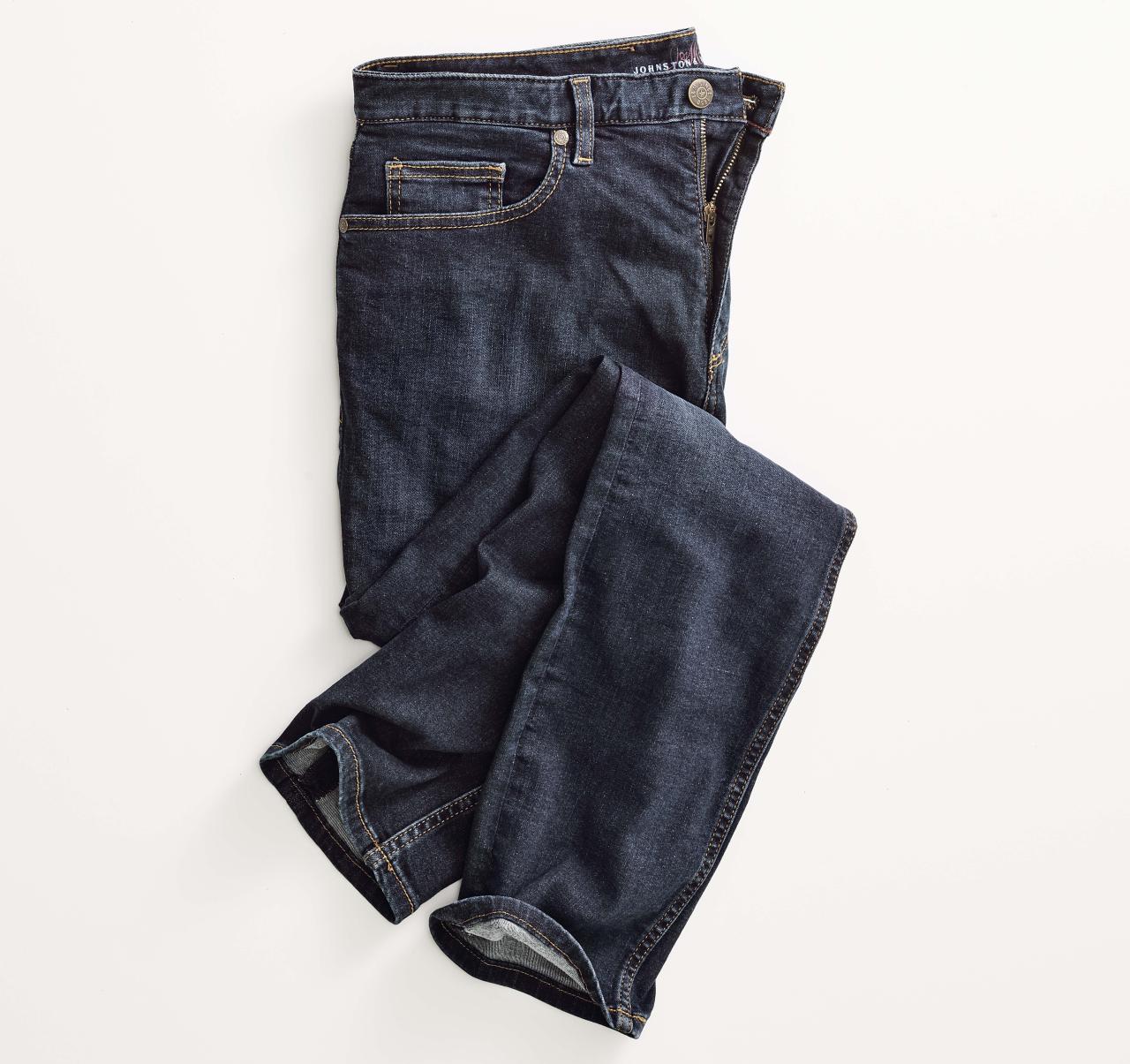
Denim jeans come in a variety of fabrics, each with unique characteristics that contribute to their style, comfort, and durability. Understanding the different types of denim fabrics can help consumers make informed choices when selecting jeans that suit their preferences and lifestyle. Among these, raw, selvage, and stretch denim are the most notable types, each with its own distinctive attributes.
Raw, Selvage, and Stretch Denim
Raw denim is characterized by its unwashed and untreated state when purchased. This type of denim tends to be stiffer and requires a breaking-in period, during which it molds to the wearer’s body. Over time, raw denim develops unique fades and creases, creating a one-of-a-kind look. The main benefits of raw denim include its durability and the ability to personalize it through wear. However, the drawbacks include discomfort during the initial wear and the potential for color transfer to lighter fabrics.
Selvage denim is woven on traditional shuttle looms, resulting in a tightly woven fabric with a clean, finished edge. This type of denim is often more expensive due to the craftsmanship involved in its production. The characteristics of selvage denim include a thicker texture and more pronounced fades, which develop beautifully over time. The benefits of selvage denim lie in its superior quality and longevity, making it a favorite among denim enthusiasts. However, the initial cost can be a drawback for budget-conscious shoppers.
Stretch denim incorporates a small percentage of elastic fibers, such as spandex or elastane, into the fabric. This addition allows for greater flexibility and comfort while maintaining the classic denim look. Stretch denim is particularly popular for its ability to provide a snug fit without sacrificing mobility, making it ideal for everyday wear. The main advantage of stretch denim is its comfort and ease of movement, while the downside is that it may not age as gracefully as raw or selvage denim, sometimes leading to a loss of shape over time.
In summary, consumers should weigh the benefits and drawbacks of each type of denim to find the perfect fit for their lifestyle. Whether one prefers the durability of raw denim, the craftsmanship of selvage, or the comfort of stretch, there is a denim fabric to match every taste and need.
Denim Jeans as a Fashion Statement
Denim jeans have journeyed from their humble origins as sturdy workwear to becoming a global fashion staple. Initially designed for miners and laborers due to their ruggedness, denim has now woven itself into the very fabric of everyday fashion, symbolizing personal style, cultural movements, and social identity. This evolution showcases how a simple piece of clothing can convey complex narratives about who we are and how we choose to express ourselves.
Over the decades, denim jeans have transformed to reflect shifting cultural trends and attitudes towards fashion. Each style, from skinny to bootcut, offers unique statements about personal identity and lifestyle preferences. The rise of skinny jeans, for instance, can be linked to the proliferation of fast fashion and the desire for sleek, form-fitting silhouettes that accentuate the body. Their popularity was propelled by celebrities like Kate Moss and the Kardashian family, who often paired them with high-end fashion pieces, making them a must-have item among fashion enthusiasts and everyday wearers alike.
Bootcut jeans, characterized by their flared hems, have also remained relevant through different eras. They often bring a nostalgic vibe reminiscent of the 60s and 70s, appealing to those who embrace a vintage aesthetic. Stars like Jennifer Aniston and the late Princess Diana have sported this style, emphasizing its versatility from casual to semi-formal looks. This timelessness reflects how bootcut jeans can embody both comfort and elegance, allowing individuals to express a laid-back yet polished vibe.
The latest trends in denim jeans include wide-leg styles and mom jeans, which have gained traction among millennials and Generation Z. These styles reflect a shift towards comfort and practicality, as well as a nod to 90s and early 2000s fashion. Influencers on social media platforms like Instagram and TikTok frequently showcase these styles, further boosting their popularity. For example, influencers such as Emma Chamberlain and Bella Hadid have been pivotal in rejuvenating interest in relaxed fits, encouraging a movement that prioritizes comfort without sacrificing style.
Beyond personal preferences, denim jeans often embody cultural movements. For instance, the “dad jeans” phenomenon, with its relaxed fit and high waist, signifies a rebellion against traditional beauty standards, promoting body positivity and self-acceptance. This style has been embraced by various celebrities, including Timothée Chalamet and Miley Cyrus, aligning with a broader cultural shift that values authenticity over convention.
In conclusion, denim jeans have evolved into a multifaceted fashion statement that reflects personal identity, cultural trends, and societal changes. The diverse styles available today allow individuals to curate their wardrobes according to personal tastes while also participating in a larger narrative about fashion and self-expression.
Sustainable Practices in Denim Production
The traditional denim manufacturing process has long been associated with significant environmental impacts, including high water usage, chemical pollution, and substantial carbon emissions. As the demand for fashion grows, so does the need for sustainable practices. The denim industry is undergoing a transformation, embracing eco-friendly methods that aim to mitigate these environmental concerns. Innovations in sustainable denim production not only focus on the reduction of harmful effects but also seek to create a more responsible and circular fashion system.
In response to the detrimental environmental effects of conventional denim manufacturing, several innovative practices have emerged. For instance, brands are increasingly adopting waterless dyeing technologies, which utilize advanced techniques like digital printing and laser finishing. This method reduces water consumption by up to 90% compared to traditional dyeing processes. Additionally, there is a rising trend towards organic cotton cultivation, which eliminates harmful pesticides and synthetic fertilizers, promoting healthier ecosystems. Brands are also investing in recycling initiatives, where old denim is repurposed into new garments, thus decreasing waste and the need for new raw materials.
Comparison of Ethical Denim Brands vs. Traditional Methods
The following comparison highlights brands leading the way in ethical denim practices alongside traditional methods. This table illustrates the key differences in their production processes and commitment to sustainability.
| Aspect | Ethical Denim Brands | Traditional Denim Brands |
|---|---|---|
| Water Usage | Utilizes waterless dyeing methods; reduces water consumption by up to 90% | Typically uses large amounts of water for dyeing and finishing |
| Materials | Employs organic cotton, Tencel, and recycled materials | Primarily uses conventional cotton and synthetic fibers |
| Chemicals | Minimizes or eliminates hazardous chemicals in production | Utilizes harsh chemicals in dyeing and finishing processes |
| Waste Management | Implements take-back programs and recycling initiatives | Limited recycling; focuses on new production |
| Carbon Footprint | Invests in renewable energy and sustainable logistics | Higher carbon emissions from conventional manufacturing practices |
Embracing sustainability in denim production is not just a trend; it is a necessary shift towards a more conscious fashion industry.
Styling Tips for Denim Jeans
Denim jeans are a versatile wardrobe staple that can be styled in countless ways, making them suitable for nearly any occasion. From casual outings to more formal events, the right styling can elevate your look while keeping comfort in mind. Knowing how to pair denim with various tops, accessories, and footwear can expand your fashion options considerably.
When it comes to styling denim jeans, the key is to balance the casual vibe of denim with elements that suit the occasion. Whether you’re dressing down for a weekend brunch or aiming for a polished look for a night out, there are specific outfit combinations that can help you achieve your desired style. Below are five outfit combinations that showcase the versatility of denim jeans across different settings.
Outfit Combinations for Various Occasions
Here are five outfit combinations that illustrate how to wear denim jeans for different settings, each choice designed to fit seamlessly into various social and professional environments.
- Casual Day Out: Pair high-waisted skinny jeans with a loose-fitting graphic t-shirt and white sneakers. Accessorize with a crossbody bag and oversized sunglasses for a laid-back vibe.
- Office Chic: Opt for dark wash straight-leg jeans combined with a tailored blazer and a silk blouse. Complete the look with ankle boots and a structured tote bag for a polished appearance.
- Date Night: Choose distressed boyfriend jeans with a fitted off-the-shoulder top. Elevate the outfit with heeled sandals and statement earrings, adding a clutch for a touch of elegance.
- Weekend Brunch: Style wide-leg jeans with a cropped sweater and loafers. Layer with a long trench coat for warmth, and add a fedora hat for an extra flair.
- Evening Event: Dress up a pair of dark denim flares with a sequined tank top and strappy heels. A sleek clutch and minimalistic jewelry can help to complete the glamorous look.
To truly elevate your denim look, the right accessories and footwear play a significant role. Accessories can transform the appearance of an outfit, and footwear can set the tone for the overall style.
Accessories and Footwear for Denim Jeans
Incorporating the right accessories and footwear is crucial for enhancing your denim jeans ensemble. Here are some key suggestions to consider.
- Shoes: Sneakers provide a casual touch, while ankle boots or stilettos can add sophistication. For a sporty look, opt for slip-on loafers or espadrilles.
- Belts: A stylish belt can cinch the waist and define your silhouette, especially when wearing high-waisted jeans. A statement belt can also serve as a focal point of your outfit.
- Jewelry: Minimalistic pieces like stud earrings or delicate necklaces work well for a simple look, while bold bracelets or statement earrings can enhance a more dressed-up outfit.
- Bags: Choose a backpack for casual outings, while a structured handbag or clutch can add elegance for more formal occasions.
- Hats: A wide-brimmed hat or a beanie can provide a fun, stylish touch, depending on the season and setting.
In fashion, the right accessories and footwear can make all the difference in transforming a basic outfit into something truly special.
The Global Influence of Denim Jeans
Denim jeans have transcended their origins as functional workwear to become a global icon of style, culture, and identity. Initially crafted for miners in the late 19th century, they have evolved into a staple garment that resonates with youth culture across the world. Their versatility and durability have facilitated their adoption in various fashion trends, making them a canvas for self-expression and a statement of rebellion or conformity, depending on the context.
The impact of denim on global fashion is profound and multifaceted. Different cultures and regions have their unique takes on denim, showcasing how this fabric adapts to local aesthetics, traditions, and lifestyles. For instance, in the United States, denim jeans are often associated with a casual, laid-back lifestyle, frequently paired with T-shirts and sneakers, while in Japan, they are revered for craftsmanship and detailed quality. Japanese denim brands like Evisu and Momotaro have gained international acclaim for their artisanal approach to jean-making, emphasizing raw denim and intricate stitching techniques that reflect a dedication to heritage and craftsmanship.
Denim Trends Across Cultures and Regions
Denim trends vary significantly around the globe, influenced by cultural nuances, social movements, and economic conditions. Below are some notable trends in prominent regions:
- United States: Denim is synonymous with American culture, often showcasing styles like distressed jeans, high-waisted cuts, and flared legs, reflecting various eras, from the rebellious 1960s to the grunge of the 1990s.
- Europe: In European cities, the denim aesthetic often leans towards high-fashion interpretations, with skinny jeans and tailored cuts dominating runways and street style. Designers incorporate denim into sophisticated ensembles, combining it with luxury fabrics.
- Asia: In countries like South Korea, denim is integrated into K-pop fashion, featuring vibrant colors and unique embellishments. Meanwhile, traditional influences can be seen in Indian denim styles, where jeans are often paired with ethnic wear.
- Africa: African nations are beginning to embrace denim as a symbol of modernity, with local designers creating unique prints and designs that celebrate cultural heritage while appealing to contemporary tastes.
Key global movements have significantly contributed to the rise of denim jeans as a universal garment. The counterculture of the 1960s and 1970s, where denim became a symbol of youth rebellion, played a crucial role in solidifying its status. Additionally, the rise of streetwear in the 1990s and early 2000s propelled denim into the mainstream, making it a key component of casual fashion worldwide. The influence of celebrities and fashion icons also cannot be understated; when stars like James Dean and Marilyn Monroe donned denim, it solidified its place in popular culture as a symbol of coolness and individuality.
“Denim is not just a fabric; it’s a canvas for expression, a bridge connecting cultures, and a statement of identity.”
The Future of Denim in Fashion
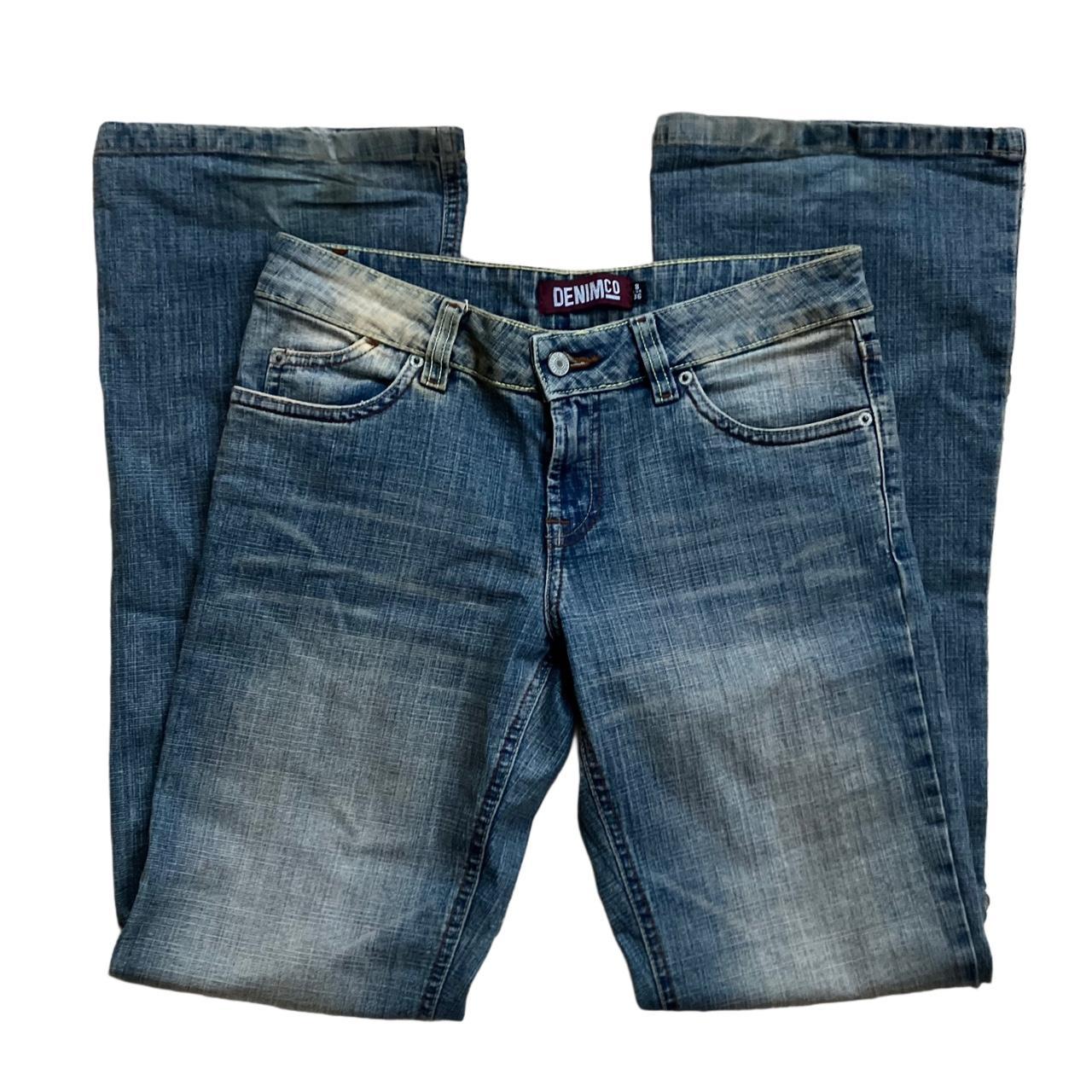
The denim industry is on the brink of transformation, driven by technological innovations and evolving consumer preferences. As we look ahead, it’s essential to explore how sustainability and fashion technology will shape the future of denim. With these influences, the style, production processes, and overall perception of denim jeans are poised for significant change.
Emerging trends in denim reflect a growing awareness of environmental issues and advances in fashion technology. The rise of sustainable practices in the fashion industry is leading brands to adopt eco-friendly materials, such as organic cotton, recycled fibers, and plant-based dyes. Many denim manufacturers are now implementing water-saving techniques and minimizing chemical usage in production, showcasing a commitment to sustainability. These efforts not only resonate with environmentally-conscious consumers but also pave the way for innovative production methods that prioritize the planet.
Technological Innovations in Denim
The integration of technology into denim production is reshaping the industry landscape. Innovations such as 3D weaving and digital printing have made it possible to create intricate designs while minimizing waste. Additionally, advancements in fabric technology, including stretchable and moisture-wicking materials, enhance the wearer’s experience. For instance, companies like Nike and Adidas are exploring uses of smart textiles that adapt to body temperature or movement, allowing for more functional and versatile denim wear.
The fashion industry is also witnessing a trend towards customization enabled by technology. Brands are increasingly offering personalized options for consumers, where customers can choose styles, colors, and fits, creating a sense of ownership over their denim pieces. This shift towards tailored fashion reflects a broader desire for individuality in an era dominated by fast fashion.
Future Styles of Denim Jeans
As we move forward, the potential future styles of denim jeans will diverge significantly from past trends. In recent decades, high-waisted, wide-leg, and distressed styles have dominated the scene. However, future styles will likely embrace a minimalist aesthetic, focusing on clean lines and sustainable materials. Expect to see a resurgence of classic cuts with modern updates, such as tapered silhouettes made from eco-friendly fabrics.
The influence of streetwear culture is also anticipated to play a significant role in the evolution of denim styles. Oversized fits, layering, and bold patterns may become the norm as brands cater to the growing demand for comfortable yet stylish options. Furthermore, the incorporation of smart technologies in denim could lead to the emergence of functional clothing that integrates features like pockets for portable devices or even built-in sensors that monitor health metrics.
In summary, the future of denim in fashion is likely to be marked by a convergence of sustainability and technology. These shifts will redefine not only how denim is produced but also how it is worn and perceived, reflecting a deeper commitment to both individual expression and environmental responsibility.
Wrap-Up
In conclusion, denim jeans encapsulate a rich history intertwined with personal expression and cultural significance, evolving from practical workwear to a global fashion icon. As the industry shifts toward sustainability and innovation, the future of denim looks promising, paving the way for new styles that will continue to influence fashion. The legacy of denim jeans is not just about enduring style; it’s about the stories they tell and the connections they foster across the world.
Clarifying Questions
What are the best ways to wash denim jeans?
To maintain their color and shape, wash denim jeans inside out in cold water, and avoid frequent washing. Air-drying is recommended to prevent shrinkage.
How can I tell if my denim is high quality?
Look for details like selvedge edges, heavy stitching, and a sturdy fabric feel. High-quality denim should have a weight of around 12-14 oz. or more.
Are there vegan options for denim jeans?
Yes, many brands offer vegan denim made without any animal-derived materials, focusing on sustainable and eco-friendly practices.
Can denim jeans be tailored?
Absolutely! Denim jeans can be tailored to fit your body shape better, whether it’s adjusting the length, waist, or even the leg style.
What styles of denim jeans are currently trending?
Currently, wide-leg, baggy, and high-waisted jeans are trending, alongside classic styles like straight-leg and cropped cuts that offer a modern twist.