
 Widya pasha
Vintage clothing sets the stage for this enthralling narrative, offering readers a glimpse into a story that is rich in detail and brimming with originality from the outset. With its roots tracing back to the early 20th century, vintage clothing encompasses a fascinating evolution shaped by cultural influences that reflect societal changes over decades. Each piece tells a story, showcasing the craftsmanship and styles of the past while sparking a renewed interest in sustainable fashion and unique self-expression in today’s world.
This journey through vintage clothing captures not only the aesthetics of bygone eras but also highlights the environmental benefits of embracing second-hand garments. By diving into the history, sourcing techniques, and modern-day relevance of vintage clothing, we uncover its role in reducing fashion waste and fostering community among enthusiasts who appreciate the rich tapestry of fashion history.
The Historical Significance of Vintage Clothing
Vintage clothing holds more than just aesthetic appeal; it is a testament to the evolution of fashion and societal norms throughout the decades. From the extravagant flapper dresses of the 1920s to the grunge wear of the 1990s, each era has left its mark, creating a rich tapestry of styles that reflects the cultural zeitgeist of the time. Vintage clothing not only serves as a nostalgic reminder of past fashions but also encapsulates significant historical moments, movements, and changes in lifestyle, technology, and art. As we explore the evolution of vintage fashion, we uncover the stories and influences that shaped these trends, revealing their profound cultural significance.
The evolution of vintage clothing can be traced back to the early 20th century when fashion began to shift dramatically due to industrialization and the rise of mass production. The 1920s introduced the concept of ready-to-wear clothing, making fashionable attire accessible to a broader audience. This era, marked by flapper dresses, cloche hats, and tailored suits, reflected women’s newfound independence post-World War I. The subsequent decades saw the rise of various fashion movements, influenced by significant historical events such as the Great Depression and World War II. During these times, clothing tended to become more practical and utilitarian, as exemplified by the wartime rationing of fabrics.
As the 1950s arrived, a sense of optimism and affluence permeated society, leading to the emergence of iconic styles such as the “New Look” by Christian Dior, characterized by hourglass silhouettes and luxurious fabrics. The 1960s and 1970s brought a wave of countercultural movements that challenged traditional norms, leading to the invention of styles like mod and boho-chic. These styles not only represented personal expression but also served as political statements against the backdrop of social upheaval, civil rights movements, and the Vietnam War.
Notable Vintage Styles and Their Historical Contexts
Understanding the historical contexts of notable vintage styles provides insight into how fashion has been influenced by social, economic, and political factors. Below are some significant vintage styles that have shaped the fashion landscape over the years:
- Flapper Dresses (1920s): Characterized by their loose fit, drop waist, and embellished details, flapper dresses symbolized women’s liberation and the rejection of traditional gender roles during the Jazz Age.
- New Look (1950s): Introduced by Dior, this style emphasized femininity with its cinched waists and full skirts, representing post-war prosperity and a return to traditional gender aesthetics.
- Bohemian Fashion (1960s-1970s): This style featured flowing fabrics, floral patterns, and ethnic influences, reflecting the counterculture movement’s emphasis on peace, love, and self-expression.
- Grunge (1990s): Emerging from the music scene, grunge fashion included oversized flannel shirts, ripped jeans, and combat boots, symbolizing youth rebellion against consumerism and mainstream culture.
The significance of these styles is not solely in their aesthetics but also in the stories they tell about the people who wore them. Each era’s fashion trends were responses to the cultural climate of the time, intertwining personal identity with collective history. The resurgence of vintage clothing today echoes a growing appreciation for sustainability, individuality, and the desire to connect with the past, making vintage fashion not just a trend, but a movement rich with meaning and implication.
The Environmental Impact of Vintage Clothing
Vintage clothing plays a crucial role in promoting sustainable fashion, primarily by reducing the demand for new garments. The fashion industry is one of the largest polluters globally, responsible for significant water consumption, chemical waste, and carbon emissions. By choosing vintage pieces, consumers actively participate in a movement that prioritizes sustainability and eco-friendliness.
The environmental benefits of reusing and recycling vintage garments are extensive. Each piece of vintage clothing has a unique history and character, and its life cycle can extend well beyond the moment it was first purchased. Buying secondhand means fewer resources are used for manufacturing new clothing, which is a process that consumes vast amounts of water and energy. According to the Environmental Protection Agency (EPA), the textile industry is responsible for about 5% of global greenhouse gas emissions. By opting for vintage clothing, consumers can contribute to mitigating these emissions.
The Role of Vintage Clothing in Reducing Waste
The fashion industry is notorious for its fast-paced cycles, often leading to massive amounts of waste. Vintage clothing serves as a countermeasure to this problem by promoting the concept of circular fashion. This concept encourages the reuse of clothing, allowing garments to remain in circulation longer, thus reducing the overall demand for new items. The environmental impact of vintage clothing can be illustrated through several key factors:
– Extended Lifespan of Garments: Vintage pieces have already undergone a significant portion of their lifecycle. By purchasing and wearing them again, consumers prolong their usability, which directly minimizes textile waste. This cycle can effectively reduce the amount of clothing sent to landfills, which according to the EPA, accounted for 17 million tons of textile waste in 2018.
– Reduced Resource Consumption: The production of new clothing requires substantial inputs, including water, energy, and raw materials. The fashion industry uses about 93 billion cubic meters of water annually; this is enough to meet the needs of 5 million people, according to the UN. Vintage clothing alleviates this strain by emphasizing the use of existing materials rather than extracting and processing new resources.
– Lower Carbon Footprint: The carbon emissions associated with the production and transportation of fast fashion items are significant. A report from the World Economic Forum indicates that if the fashion industry continues on its current trajectory, its carbon footprint could increase by more than 60% by 2030. Vintage clothing helps combat this trend by reducing the need for new production, thereby lessening the carbon impact associated with garment manufacturing and shipping.
Incorporating vintage clothing into one’s wardrobe is not merely a fashion choice; it is a conscious decision to support sustainable practices and diminish environmental harm. Embracing vintage fashion is a simple yet effective way to contribute to a more sustainable future, making a positive impact on the planet while celebrating unique styles from the past.
The Process of Sourcing Quality Vintage Clothing
Sourcing quality vintage clothing is an exciting journey that requires patience, keen observation, and a bit of luck. Whether you’re a seasoned vintage enthusiast or just starting to explore the world of retro fashion, knowing how to find authentic pieces can make all the difference in your collection. This process often involves scouting thrift stores, estate sales, and flea markets, each of which can hold unique treasures waiting to be uncovered.
Finding Authentic Vintage Pieces
The first step in sourcing quality vintage clothing is identifying the right places to shop. Thrift stores are popular destinations due to their ever-changing inventory and affordability. Estate sales, on the other hand, can yield exceptional finds, as they often feature the personal items of individuals from past decades. Here’s a quick guide on how to navigate these spaces effectively:
- Visit frequently: Stock in thrift stores changes rapidly, so visiting often increases your chances of finding something special.
- Shop during off-peak hours: Early mornings during weekdays are usually quieter, giving you more time to search without distractions.
- Build rapport with staff: Getting to know store employees can lead to insider tips on upcoming sales or special items.
- Be patient and persistent: Not every trip will yield a great find, but persistence often pays off.
Recognizing genuine vintage clothing versus modern reproductions requires a keen eye for detail. Look for signs that indicate authenticity, such as:
- Labels: Vintage items often have unique labels that may differ from modern tags. Research common labels from the era you’re interested in.
- Quality of materials: Older garments typically feature higher-quality fabrics like wool, silk, or cotton, whereas modern reproductions may use lower-quality synthetics.
- Construction techniques: Check for hand stitching, which is a sign of quality craftsmanship often found in vintage pieces.
- Wear and tear: Authentic vintage clothing will show some signs of age, such as faded colors or minor fraying, which adds to its character.
Understanding the fabric types and construction methods is vital when shopping for vintage clothing. Familiarity with different textiles can help you assess the quality and durability of a piece. For instance, cotton is breathable and comfortable, wool provides warmth and structure, and silk offers a luxurious feel. Additionally, learning about various construction techniques—like flat-felled seams, which indicate durability, or bias-cut construction, known for its flattering drape—can inform your choices.
“Quality vintage pieces are not just about style; they tell a story and reflect the craftsmanship of their time.”
The Role of Vintage Clothing in Modern Fashion Trends
Vintage clothing has become a significant influence on contemporary fashion, serving as a bridge between the past and present. Designers today are not only inspired by vintage styles but are actively incorporating these elements into their collections. This trend highlights how vintage aesthetics resonate with current consumer desires for unique and sustainable fashion options. As a result, vintage clothing is not merely a nostalgic nod; it is a driving force in shaping modern fashion narratives.
Contemporary Designers Incorporating Vintage Elements
Many contemporary designers are known for their ability to blend vintage elements seamlessly into their modern collections. This practice not only honors past styles but also creates innovative designs that resonate with today’s audience. For example, brands like Gucci and Prada frequently draw upon styles from the 70s and 80s, reinterpreting bold patterns and silhouettes to fit current tastes.
“Fashion is cyclical; what goes around comes around, and vintage inspirations are at the forefront of this cycle.”
These designers often utilize materials and patterns reminiscent of past decades, breathing new life into established trends. By incorporating vintage elements, they can offer consumers a sense of individuality and nostalgia while maintaining a contemporary flair.
Current Fashion Trends Inspired by Vintage Styles
The resurgence of vintage styles in modern fashion has led to the emergence of several key trends. These trends highlight how past fashion influences current consumer choices and preferences. Below is a list of popular vintage-inspired trends currently shaping the scene:
- Wide-Leg Denim: A nod to the 70s, wide-leg jeans have made a significant comeback, providing comfort and a retro aesthetic that appeals to a wide demographic.
- Pastel Color Palettes: Soft, muted colors reminiscent of the 80s are now prevalent, reflecting a desire for both vintage charm and modern sophistication.
- Puff Sleeves: This dramatic silhouette, popular in the 80s, has re-emerged, offering a romantic and whimsical touch to contemporary outfits.
- Maxi Dresses: Long, flowing dresses inspired by the bohemian styles of the 70s have gained popularity for their ease and elegance, often featuring floral prints and earthy tones.
- Chunky Sneakers: This trend pays homage to 90s street style, blending comfort and a playful aesthetic that resonates with younger generations.
These trends illustrate how vintage clothing continues to inspire and shape modern fashion, appealing to consumers seeking unique styles with historical significance.
Influence of Vintage Aesthetics on Social Media and Fashion Influencers
Social media platforms have become vital in the dissemination and popularity of vintage aesthetics. Influencers often curate their looks with an emphasis on vintage pieces, showcasing how these styles can be integrated seamlessly into everyday life. Through platforms like Instagram and TikTok, influencers share their vintage finds, styling tips, and outfit ideas, encouraging followers to embrace vintage fashion.
Images of influencers wearing vintage clothing often feature bold patterns, unique silhouettes, and accessories that reflect different eras, creating a visual narrative that captivates audiences. These posts not only inspire followers to adopt similar styles but also promote sustainable fashion choices by encouraging the purchase of second-hand and vintage garments.
“Vintage fashion tells a story, and influencers are the storytellers of our time.”
The impact of vintage aesthetics on social media has led to an increased demand for vintage shops and markets, solidifying their role in the modern fashion landscape. As consumers become more conscious of their fashion choices, the allure of vintage clothing continues to thrive, demonstrating its pivotal role in shaping current trends.
The Community and Culture Surrounding Vintage Clothing
The vintage clothing community represents a unique tapestry of individuals united by their passion for styles from the past. This community serves not only as a marketplace but also as a social hub where people can express their identities through fashion. By embracing vintage clothing, individuals cultivate a sense of belonging and connection with others who share similar tastes and values. The vibrant interactions within this community foster friendships, collaborations, and a deeper appreciation for the history behind the garments.
Vintage markets and events play a crucial role in enhancing community bonds. These gatherings provide a platform for like-minded individuals to connect, exchange ideas, and celebrate their shared love for vintage fashion. The significance of these events goes beyond mere shopping; they create atmospheres filled with creativity, nostalgia, and camaraderie. For instance, vintage markets often feature local artisans, musicians, and food vendors, transforming them into cultural festivals that highlight the richness of the vintage clothing ethos. Here are a few key points highlighting the importance of such events:
- Social Interaction: Vintage markets encourage face-to-face interactions, allowing people to meet and bond over their mutual interests.
- Learning Opportunities: Events often include workshops and panel discussions, educating attendees about the history of fashion and sustainable practices.
- Support for Small Businesses: Local vendors and designers get a chance to showcase their work, fostering entrepreneurship and community support.
- Creative Expression: Attendees often dress in vintage attire, showcasing their personal styles and creativity, which can inspire others.
- Building Networks: These events provide opportunities for individuals to collaborate, whether through fashion shows, styling sessions, or social media partnerships.
Comparing Vintage Clothing Subcultures
Different subcultures within the vintage clothing community reflect diverse aesthetics and ideologies. Each of these subcultures not only influences fashion choices but also shapes social identities and interactions. Here are three prominent vintage subcultures:
- Punk: Emerging in the 1970s, the punk subculture embraces a DIY ethos, characterized by bold graphic tees, leather jackets, and edgy accessories. Punk vintage clothing serves as a statement against mainstream fashion, promoting individuality and rebellion. The community often cultivates a sense of solidarity through music, art, and activism.
- Bohemian: The bohemian style draws inspiration from the free-spirited and artistic movements of the 1960s and 1970s. It showcases flowing fabrics, eclectic patterns, and an emphasis on comfort and self-expression. This subculture celebrates a laid-back lifestyle, often connecting with nature and spirituality, fostering a community that values creativity and authenticity.
- Retro: Retro fashion, often associated with styles from the 1920s to the 1980s, blends nostalgia with contemporary flair. This subculture embraces the glamour of past eras, often featuring tailored silhouettes, vibrant colors, and vintage prints. It attracts enthusiasts who appreciate the craftsmanship of bygone fashions and seek to revive them in modern contexts.
The nuances within these subcultures reveal how vintage fashion can shape not only individual styles but also broader social interactions and collective identities.
The Financial Aspect of Collecting Vintage Clothing
Collecting vintage clothing is not just a passion; it can also be a significant financial investment. Understanding the factors that influence the value of these unique pieces, knowing how to appraise them, and recognizing the potential for resale can enhance your collecting experience. This section delves into the monetary side of vintage clothing, equipping collectors with the knowledge needed to navigate this fascinating market.
Factors Affecting the Value of Vintage Clothing Items
The value of vintage clothing can be influenced by several key factors. These elements play a crucial role in determining how much a collector might pay for a specific item and how its worth can appreciate over time.
- Brand and Designer: Items from well-known brands or designers often carry higher value due to their historical significance and desirability.
- Condition: The overall condition, including wear and tear, repairs, and whether it has been cleaned, significantly affects pricing. Mint condition pieces are generally more valuable.
- Rarity: Limited edition items or those produced in small quantities are more sought after, increasing their value in the market.
- Provenance: Provenance refers to the documented history of ownership. Items with interesting backstories or celebrity associations can command higher prices.
- Era: Certain fashion eras, like the Roaring Twenties or the 1970s, may be more popular among collectors, affecting demand and pricing.
Guide to Appraising and Negotiating the Price of Vintage Garments
Appraising vintage clothing requires a keen eye and an understanding of the market. This process is essential for both buyers and sellers to ensure a fair transaction.
Firstly, assess the item’s condition thoroughly, noting any defects or alterations. Consult reputable vintage clothing guides or online marketplaces to gauge current market prices. Consider appraisals from experienced vintage clothing experts or shops. When negotiating, be respectful and informed; present your findings to support your price suggestions.
“Knowledge is power in the vintage clothing market; the more you know, the better your deals will be.”
Additionally, it’s beneficial to build relationships with sellers and other collectors. This can lead to better deals and exclusive opportunities.
Investment Potential and Resale Market Opportunities
Investing in vintage clothing can yield substantial returns, especially if you are strategic. The resale market for vintage garments has grown significantly, driven by increased consumer interest in sustainability and unique fashion.
Key points to consider include:
- Market Trends: Staying informed about fashion trends can help identify items that may appreciate in value. For example, the resurgence of 90s fashion has made many pieces from that era highly collectible.
- Online Platforms: Websites like Etsy, Poshmark, and eBay provide excellent avenues for resale. Understanding the platform dynamics can maximize potential profits.
- Networking: Engaging with other collectors at swap meets, online forums, and social media groups can open doors to exclusive sales and trades.
As an example, a vintage Chanel jacket purchased for $500 can sell for $2,000 or more if it is in excellent condition and part of a sought-after collection. Investing in high-quality pieces from reputable sources often pays off, making vintage clothing not just a hobby but a viable investment avenue.
In summary, the financial aspect of collecting vintage clothing requires diligence, research, and a deep understanding of the market dynamics. Collectors who are well-informed can enjoy both the aesthetic and economic rewards of their passion.
The Maintenance and Care of Vintage Clothing
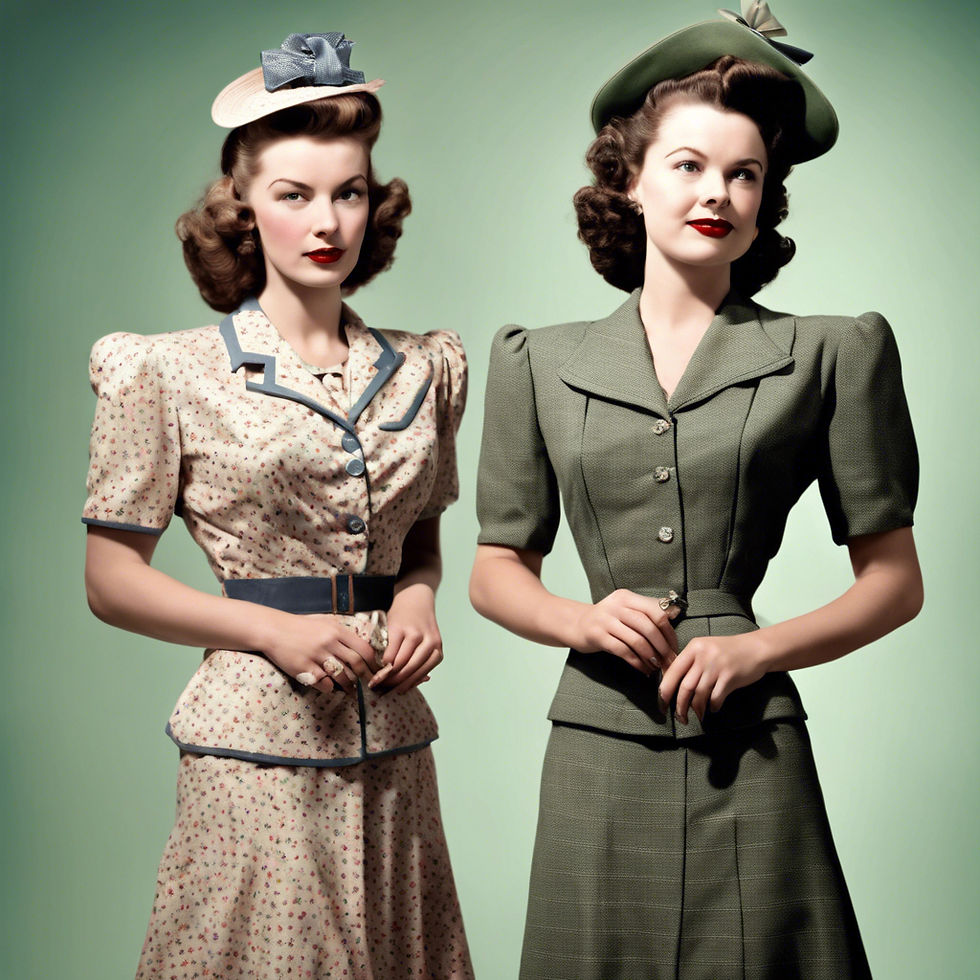
Vintage clothing is not just a fashion statement; it’s a piece of history that deserves careful attention and preservation. Proper maintenance and care can ensure that these timeless treasures remain in excellent condition for years to come. Understanding the specific requirements of vintage garments is essential for maintaining their integrity and charm while allowing them to be enjoyed as part of your wardrobe.
The care of vintage clothing involves several key practices that help preserve the delicate materials and craftsmanship of these garments. Each piece may possess unique characteristics due to age, fabric type, and construction techniques, necessitating tailored care approaches.
Preservation Best Practices
To keep vintage garments in pristine condition, it’s crucial to adopt best practices that focus on both cleaning and storage. Below are several guidelines that can help.
- Regular Inspection: Frequently check items for signs of wear, including fraying seams, discoloration, or insect infestations. Early detection can prevent small issues from becoming more significant problems.
- Gentle Cleaning: Avoid aggressive cleaning methods. Always test fabric in an inconspicuous area before applying any cleaning solution.
- Proper Handling: When putting on or taking off vintage clothing, handle it gently. Avoid pulling or stretching the fabric excessively, which can cause permanent damage.
- Use Acid-Free Materials: When storing vintage clothes, use acid-free tissue paper or boxes to prevent yellowing and deterioration of the fabric over time.
- Limit Exposure to Light: Direct sunlight can fade colors and weaken fabrics. Store garments away from light to preserve their vibrancy.
Cleaning Methods for Different Fabrics
Different fabric types require specific cleaning methods to avoid damage. Here’s a detailed guide to cleaning vintage garments based on their material composition.
- Cotton: Wash in cold water using a mild detergent. Air dry to prevent shrinkage. Iron on a low setting while the fabric is still slightly damp to remove wrinkles.
- Silk: Hand wash in cold water with a gentle detergent or dry clean. Avoid wringing or twisting, as this can cause damage. Lay flat to dry to maintain its shape.
- Wool: Gently hand wash in cool water with wool-specific detergent. Lay flat to dry away from direct heat sources to prevent felting.
- Linen: Machine wash in cool water and hang to dry. Iron while still damp for best results.
- Rayon: Dry clean only, as it can shrink or lose its shape when washed.
Storage Tips for Vintage Clothing
Proper storage is vital for preventing damage and deterioration of vintage garments. Here are effective strategies to ensure your collection remains safe.
- Use Breathable Garment Bags: Store garments in breathable cotton garment bags rather than plastic, which can trap moisture and lead to mold.
- Store Flat When Possible: For heavier items, such as coats, lay them flat or hang them on padded hangers to maintain their shape and prevent stretching.
- Avoid Overcrowding: Ensure there’s enough space between garments to avoid crushing and creasing. Crowded storage can lead to permanent wrinkles and fabric distortion.
- Humidity Control: Utilize silica gel packets or dehumidifiers in storage areas to keep humidity levels low, preventing mold and mildew.
- Seasonal Rotation: Rotate your pieces seasonally, allowing garments to rest and avoid prolonged exposure to light and air.
“With the right care, vintage clothing can transcend generations, becoming cherished heirlooms.”
Last Word
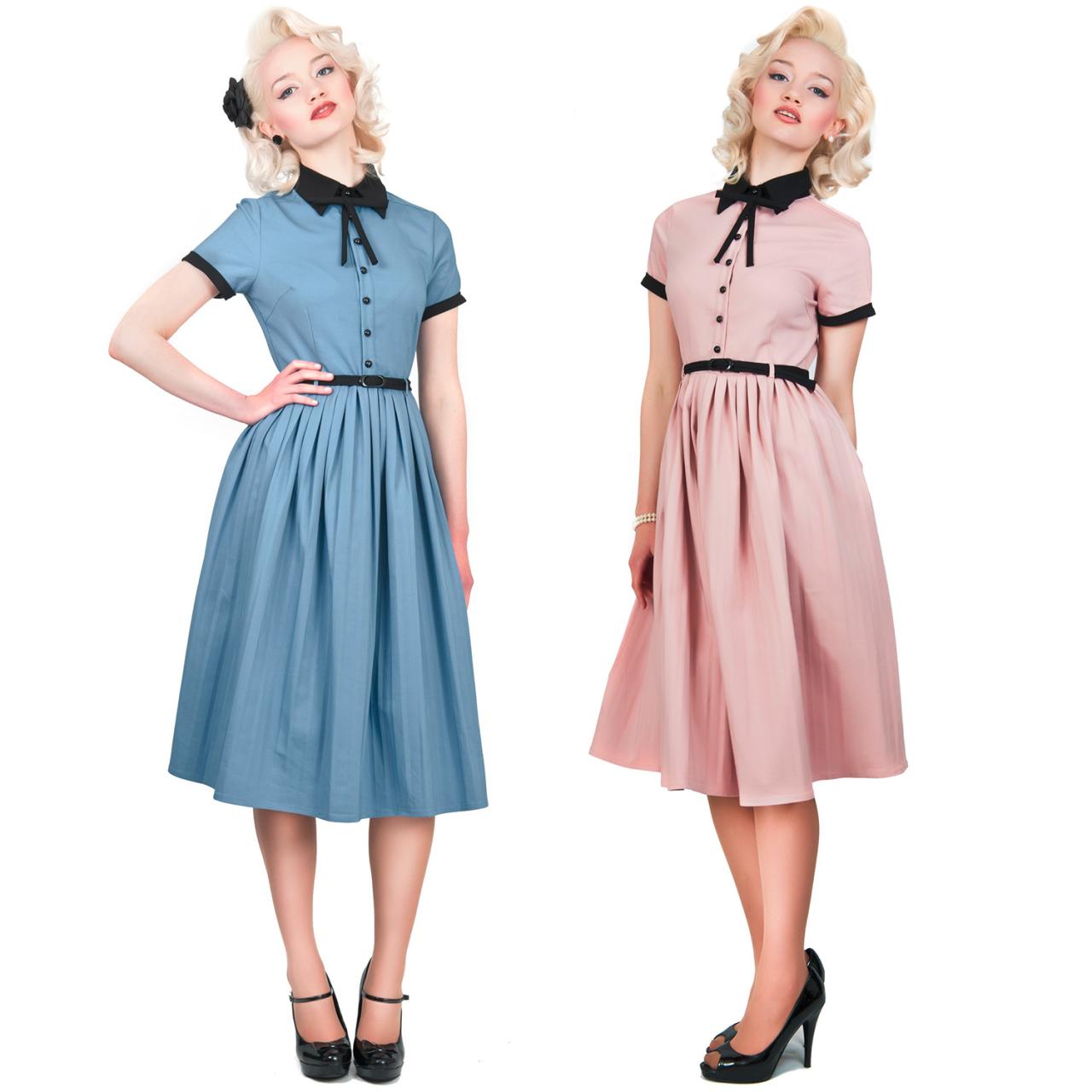
In conclusion, vintage clothing is more than just a fashion statement; it represents a bridge connecting us with our history while promoting sustainable practices in the present. As we navigate the ever-changing landscape of fashion, the resurgence of vintage styles and the vibrant communities that surround them remind us of the beauty in reusing and celebrating the past. Whether you’re a seasoned collector or a curious newcomer, the world of vintage clothing invites exploration and appreciation, allowing each individual to express their unique identity through timeless pieces.
Query Resolution
What defines vintage clothing?
Vintage clothing typically refers to garments that are at least 20 years old, reflecting the styles and trends of a specific era.
How can I tell if a piece is genuinely vintage?
Look for labels, stitching, and fabric types that are characteristic of the era, as well as signs of wear that indicate age.
Is vintage clothing more sustainable than fast fashion?
Yes, vintage clothing promotes sustainability by reducing waste and encouraging the reuse of garments, unlike fast fashion which contributes to overproduction and disposal.
What are some popular vintage styles to look for?
Popular vintage styles include 1920s flapper dresses, 1950s rockabilly, and 1970s bohemian, each representing distinct cultural periods.
How should I care for my vintage clothing?
Care for vintage clothing by following specific cleaning instructions, using gentle detergents, and storing items in a cool, dry place to prevent damage.