
 Widya pasha
Stylish apparel serves as a vibrant lens through which we can explore the fascinating evolution of fashion over the decades. Each era has its unique influences, from cultural movements to technological advancements, that have shaped what we wear today. As we delve into the history of stylish clothing, we uncover significant trends and iconic pieces that have left an indelible mark on modern style.
In addition to tracing the historical aspects, we’ll discuss the role of color palettes in fashion, the rise of sustainable practices, and the importance of fit and tailoring. From the impact of celebrity culture to the significance of accessories and fashion events, this exploration reveals how personal identity and societal values intertwine through the art of dressing.
Explore the evolution of stylish apparel through the decades.
Fashion has always been a reflection of societal trends, cultural movements, and technological advancements. Over the decades, stylish apparel has evolved significantly, influenced by various factors including music, art, politics, and social change. Understanding the fashion evolution provides insights into how current styles have been shaped and influenced by past trends.
The journey through the decades of stylish apparel reveals a rich tapestry of creativity and innovation. Each decade brought distinct styles that were both a response to and a reflection of the times. Key influences such as celebrity culture, economic conditions, and technological advancements played crucial roles in shaping fashion trends. Below, we delve into the significant trends and iconic clothing items that defined each decade, illustrating how they continue to influence modern apparel.
Fashion Trends of the 1920s to 1930s
The 1920s, often referred to as the “Roaring Twenties,” were characterized by a departure from traditional norms. This era saw the rise of the flapper style, epitomized by shorter hemlines, loose silhouettes, and the iconic bob hairstyle. Jazz music and the liberation of women post-World War I significantly influenced this fashion wave.
Iconic items from the 1920s include:
- The flapper dress: a knee-length, straight-cut dress adorned with fringe and beads.
- Cloche hats: fitted hats that were worn low on the forehead, complementing the bobbed hairstyle.
The 1930s were marked by the Great Depression, which led to more conservative styles. Fashion became more practical, with an emphasis on elegance and sophistication, often seen in Hollywood glamour.
Notable pieces from the 1930s include:
- Bias-cut gowns: these dresses draped elegantly on the body, emphasizing natural curves.
- Tailored suits for women: designed with a feminine touch, these suits featured shoulder pads and cinched waists.
Fashion Trends of the 1940s to 1950s
World War II greatly impacted fashion in the 1940s, leading to rationing and a focus on utility. Women’s fashion adapted with shoulder pads and functional clothing that maintained a sense of femininity.
Key garments from the 1940s include:
- The wartime utility dress: designed for practicality, often featuring simple lines and minimal embellishments.
- The A-line skirt: a silhouette that allowed for ease of movement and was paired with fitted tops.
In the 1950s, post-war prosperity brought about a fashion revolution led by designers like Christian Dior, whose “New Look” redefined femininity with full skirts and cinched waists.
Iconic items from the 1950s include:
- The pencil skirt: a fitted skirt that accentuated the waist and hips.
- Swing dresses: characterized by wide skirts that allowed for movement and dancing.
Fashion Trends of the 1960s to 1970s
The 1960s ushered in an era of experimentation and youth culture. The mod look, inspired by British designers, emphasized bold patterns, mini skirts, and bright colors.
Prominent pieces from the 1960s include:
- Mini skirts: popularized by fashion icons like Mary Quant, these skirts revolutionized women’s fashion.
- Psychedelic prints: vibrant patterns that reflected the counterculture movement.
The 1970s saw a blend of styles influenced by rock music and the feminist movement, resulting in diverse fashion choices ranging from bohemian to disco.
Noteworthy items from the 1970s include:
- Bell-bottom jeans: flared pants that became synonymous with the disco era.
- Maxi dresses: long flowing dresses that combined comfort with style.
Fashion Trends of the 1980s to 1990s
The 1980s were known for excess, with vibrant colors, oversized silhouettes, and bold accessories. Celebrity culture, fueled by the rise of MTV, played a significant role in shaping fashion trends.
Key items from the 1980s include:
- Shoulder pads: added structure to jackets and dresses, creating a powerful silhouette.
- Leg warmers and high-cut leotards: a nod to the fitness craze that swept the decade.
The 1990s brought a more laid-back aesthetic, with grunge and minimalism gaining popularity. This decade saw the rise of casual streetwear that continues to influence fashion today.
Significant pieces from the 1990s include:
- Flannel shirts: a staple for the grunge look, often layered over band tees.
- Baggy jeans: comfortable and relaxed fits that contrasted with the form-fitting styles of the previous decade.
Fashion Trends of the 2000s to Present
The 2000s were characterized by a mix of styles, including the rise of fast fashion brands and the influence of technology on clothing design. This era saw the popularization of logos and graphic tees.
Notable trends from the 2000s include:
- Low-rise jeans: a bold move away from traditional fits, appealing to a younger demographic.
- Track suits: often worn by celebrities, these became a fashion statement.
The current era continues to blend past influences with contemporary innovations, emphasizing sustainability and inclusivity in fashion. Streetwear has emerged as a dominant style, reflecting a casual, yet stylish aesthetic.
Modern staples include:
- Athleisure: combining comfort with style, allowing for versatility in wear.
- Vintage-inspired pieces: a nod to past decades, reflecting nostalgia and individuality in current fashion.
Fashion’s evolution through the decades illustrates a constant dialogue between style and society, where each era builds upon the last. The iconic clothing items and trends not only define their times but also leave a lasting legacy that continues to inspire and shape modern apparel.
Examine the role of color palettes in creating stylish outfits.
Choosing the right color palette is essential in the art of fashion. Colors have the power to express individual personality, mood, and style. Understanding how to select and mix colors can elevate a simple outfit into a statement ensemble. This segment delves into how to choose colors that complement your personal style, the psychological effects of colors in fashion, and tips on effectively mixing and matching shades for a cohesive look.
Choosing Complementary Colors for Personal Style
Selecting colors that resonate with your personal style involves understanding your skin tone, hair color, and overall aesthetic. Here are some guidelines to help you find the right combinations:
– Determine Your Skin Tone: Identify whether you have a warm, cool, or neutral skin tone. Warm tones look great in earthy colors like reds, yellows, and oranges, while cool tones are enhanced by blues, greens, and purples.
– Consider Your Hair Color: Hair color can greatly influence your choice of shades. For example, individuals with darker hair might find that jewel tones, such as emerald green or royal blue, suit them beautifully.
– Reflect on Your Lifestyle: Your day-to-day environment and activities also dictate the colors that will work best. For a business casual setting, softer hues like pastels can create a polished yet approachable look.
Understanding your personal style helps you choose colors that not only look good but also feel good.
The Psychological Impact of Colors in Fashion Choices
Colors evoke emotions and can significantly affect the perception of a person’s outfit. This psychological aspect of color in fashion is vital for anyone looking to make a statement. Different colors can convey various messages:
– Red: Often associated with passion and energy, wearing red can draw attention and exude confidence.
– Blue: A calming color that signifies trust and professionalism, making it ideal for workplace attire.
– Black: Represents elegance and sophistication, often preferred for formal occasions.
– Yellow: A cheerful color that can uplift moods; however, it is often advisable to use it as an accent to avoid overwhelming the overall look.
Understanding the emotional connections tied to colors can help you make intentional fashion choices that align with how you wish to be perceived.
Mixing and Matching Colors Effectively
Creating stylish outfits involves mastering the art of color mixing. Here are some practical strategies to achieve harmonious looks:
– Use the Color Wheel: Familiarize yourself with the color wheel, focusing on complementary (opposite) and analogous (adjacent) color schemes. Complementary colors create contrast, while analogous colors provide a more cohesive appearance.
– Limit Your Palette: Stick to a maximum of three colors in one outfit to maintain balance. Choose one dominant color and use the others for accents.
– Incorporate Neutrals: Utilize neutral colors as a foundation in your wardrobe. Colors like black, white, beige, and gray can seamlessly blend with bolder hues, making it easier to create versatile outfits.
A well-thought-out color palette can enhance your outfit’s appeal while reflecting your unique style.
The interplay of color in fashion is vast and nuanced, enabling endless opportunities for self-expression. By understanding how to choose colors that suit you, recognizing their psychological impacts, and employing effective mixing techniques, anyone can elevate their wardrobe and showcase their personal flair.
Analyze the impact of sustainable fashion on stylish apparel choices.
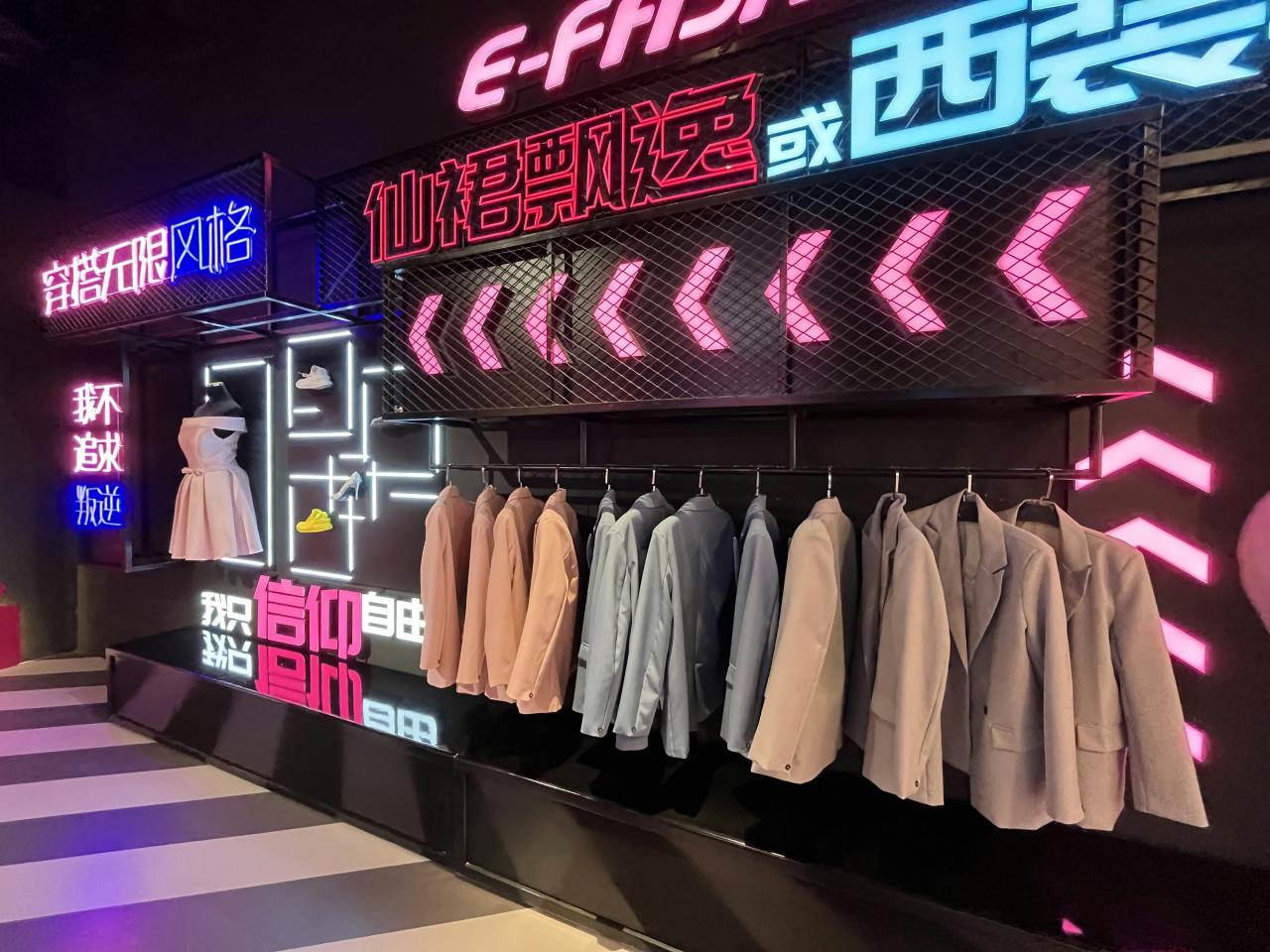
The emergence of sustainable fashion has significantly reshaped the landscape of stylish apparel, influencing consumer choices and industry practices alike. As awareness of environmental issues rises, shoppers increasingly prefer brands that prioritize sustainability. This shift is not only about aesthetics; it’s about making informed decisions that align with personal values and contribute to a more sustainable future.
Sustainable fashion has catalyzed a wave of eco-friendly brands, bringing innovative designs to the forefront. These brands often emphasize ethical production methods, transparency, and environmental responsibility. This growing market segment has encouraged traditional fashion labels to rethink their strategies and adapt to the changing consumer landscape, thus making sustainability a key driver in stylish apparel choices.
Rise of Eco-Friendly Brands
The rise of eco-friendly brands has notably transformed the fashion industry, providing stylish alternatives that do not compromise on aesthetics while promoting sustainability. These brands are focused on reducing their environmental impact and often engage in practices such as:
- Using recycled materials: Many sustainable brands utilize recycled fabrics like polyester and nylon, which help decrease waste and conserve resources.
- Promoting fair labor practices: Eco-friendly brands often ensure that workers receive fair wages and operate in safe conditions, setting a higher ethical standard in the industry.
- Reducing carbon footprints: These brands adopt methods such as local sourcing and manufacturing to minimize transportation emissions and rely on renewable energy sources.
Incorporating these practices has not only led to the emergence of new players in the fashion market but has also encouraged established brands to reevaluate their supply chains, resulting in a more mindful approach to fashion consumption.
Materials Commonly Used in Sustainable Stylish Apparel
The materials used in sustainable stylish apparel significantly differ from traditional fashion practices, focusing on ecological and ethical considerations. Commonly used materials include:
- Organic cotton: Grown without harmful pesticides or fertilizers, organic cotton is a staple in sustainable clothing, ensuring less environmental impact during cultivation.
- Tencel (Lyocell): This biodegradable fiber is produced from sustainably sourced wood pulp, using a closed-loop process that recycles water and solvents, making it eco-friendly.
- Hemp: A fast-growing plant that requires minimal resources, hemp is naturally resistant to pests and can be cultivated without synthetic chemicals, making it a sustainable textile choice.
These materials not only contribute to the reduction of environmental harm but also offer consumers stylish options that resonate with their values, leading to a harmonious blend of fashion and responsibility.
Comparison of Traditional Fashion Practices with Sustainable Alternatives
Traditional fashion practices often prioritize speed and volume over sustainability, resulting in significant environmental and social consequences. In contrast, sustainable alternatives foster a more responsible approach. Key differences include:
- Production pace: Fast fashion emphasizes rapid production cycles, while sustainable fashion champions slow, thoughtful creation, allowing for better quality and reduced waste.
- Resource consumption: Traditional practices often deplete resources with little regard for the environment, whereas sustainable alternatives focus on resource-efficient methods and renewable materials.
- Waste management: Fast fashion typically leads to high levels of textile waste, while sustainable brands actively seek to minimize waste through recycling and upcycling initiatives.
In this evolving landscape, the contrast between traditional and sustainable practices highlights an essential shift towards more responsible consumption, encouraging consumers to make choices that are not only stylish but also beneficial for the planet.
Detail the importance of fit and tailoring in achieving stylish looks.
When it comes to fashion, the fit of your clothing plays a pivotal role in achieving a stylish and polished appearance. No matter how trendy or high-quality an item is, if it doesn’t fit properly, it can easily look unflattering. Tailoring is the secret weapon that can transform off-the-rack clothing into personalized masterpieces that complement your unique body shape and style preferences.
Determining the right fit involves understanding your body type and how different styles can enhance your best features. Each body type—be it pear, apple, hourglass, or athletic—has its distinctive characteristics and requires different considerations for fit. For instance, individuals with a pear-shaped body may benefit from fitted tops that accentuate the waist while balancing the hips, while those with an athletic build might opt for tailored jackets that create the illusion of curves.
Guide on determining the right fit for different body types
Understanding your body type is the first step toward achieving the perfect fit. Each category has its own guidelines, which can help in selecting clothing that flatters your figure.
- Pear Shape: Focus on enhancing your upper body. Choose tops with details like ruffles or embellishments to draw attention upward, and opt for A-line skirts or tailored pants that provide a flowy fit around the hips.
- Apple Shape: Look for clothing that defines your waist without clinging. Empire waist dresses and structured blazers can help create a balanced silhouette.
- Hourglass Shape: Emphasize your curves with fitted clothing. Tailored dresses and wrap tops highlight your waist and enhance your natural shape.
- Athletic Build: Create the illusion of curves by opting for soft fabrics and layered looks. Tailored jackets and fitted pants can add shape without overwhelming your frame.
Tailoring options for both men and women
Tailoring is not just about adjusting the length of pants or sleeves; it encompasses a variety of options that enhance the overall look of your clothing.
- Pant alterations: Adjusting the waist, adding cuffs, or tapering the legs can dramatically change the appearance of your trousers.
- Jacket adjustments: Tailoring the shoulders, taking in the sides, or shortening sleeves ensures a sharp, clean look.
- Dresses and skirts: Hemming, adjusting seams, or adding darts can make a significant difference in how a dress fits and flatters your figure.
- Shirts: Fitting the collar, adjusting sleeve length, or tapering the sides can transform a regular shirt into a stylish staple.
Benefits of investing in tailored clothing
Investing in tailored clothing offers numerous benefits that go beyond just aesthetics. Tailoring can lead to:
- Increased confidence: Wearing clothing that fits well enhances your self-esteem and helps you feel more comfortable in your own skin.
- Improved comfort: Tailored clothing allows for ease of movement, making everyday tasks and activities more enjoyable.
- Longevity of garments: Tailored pieces can stand the test of time, often outlasting fast fashion items, making them a more sustainable choice.
- Unique style: Tailoring allows you to personalize your wardrobe, ensuring that your clothing reflects your individual style rather than adhering to generic trends.
“Fit is the foundation of style—when your clothing fits well, you can transform any outfit into a statement.”
Investigate the influence of celebrity culture on stylish apparel trends.
The fashion industry has always been heavily influenced by celebrity culture, where iconic figures often set the tone for what becomes stylish and trendy. Celebrities not only showcase their personal style but also have the power to introduce new designs and concepts to the masses. Their visibility in various media, especially social platforms, shapes consumer preferences and ultimately drives fashion trends.
The impact of celebrities on stylish apparel is multifaceted, with many stars acting as trendsetters who inspire millions. This influence has grown significantly due to the rise of social media platforms, which allow celebrities to connect with their fanbase directly, showcasing their outfits and style choices in real-time. As a result, the fashion choices of these public figures are not only seen but also imitated almost instantaneously by fans across the globe.
Key Celebrities Influencing Fashion Trends
Several celebrities have emerged as significant influencers in the realm of fashion. Their unique styles and bold fashion choices often lead to new trends that resonate with the public. The following list highlights key figures who have notably shaped recent fashion trends:
- Kardashians and Jenners: This family has redefined modern fashion by popularizing athleisure and body-con dresses, often seen in their reality show and on social media platforms.
- Beyoncé: With her iconic performances, she has made bold outfits a must-have, influencing everything from casual streetwear to high-fashion gowns.
- Harry Styles: Known for breaking gender norms, Styles has brought a flamboyant style that mixes vintage with contemporary, setting new standards in menswear.
- Rihanna: Her brand Fenty has created significant buzz in the industry, pushing the envelope with inclusive fashion and daring designs.
- Lady Gaga: Always one to make a statement, Gaga’s avant-garde fashion has inspired many designers and fans alike to embrace bold self-expression.
The influence of these celebrities is amplified by the presence of social media. Platforms like Instagram, TikTok, and Twitter allow for immediate sharing of styles and trends, enabling fans to shop directly from the looks they admire. For instance, when celebrities post photos of themselves wearing specific outfits, it often leads to a surge in searches and purchases of similar items, illustrating the power of digital influence in fashion.
Trendsetting Outfit Examples
Outfit choices made by celebrities frequently gain traction and can turn into trend-setting phenomena. Below are notable examples of specific outfits that have significantly influenced fashion trends:
- Met Gala Looks: The annual Met Gala serves as a massive platform for celebrities to showcase extravagant fashion. For example, the “Camp: Notes on Fashion” theme inspired layers of creativity, with stars like Billy Porter wearing a stunning tuxedo gown that challenged traditional gender norms in fashion.
- Street Style: Influencers like Hailey Bieber have popularized oversized blazers paired with crop tops and baggy jeans, leading to a resurgence of 90s-inspired casual wear.
- Red Carpet Moments: Zendaya’s stunning spider-themed Valentino gown at the 2021 Oscars not only captured attention but also sparked a conversation about innovative, artistic design in formal attire.
These outfits often ignite discussions on social media, with fans sharing their takes and recreations, further demonstrating the dynamic interplay between celebrity style and consumer fashion trends. The ability of celebrities to dictate trends through their fashion choices has never been stronger, making them pivotal figures in the stylish apparel landscape.
Create a guide for accessorizing stylish apparel to enhance outfits.
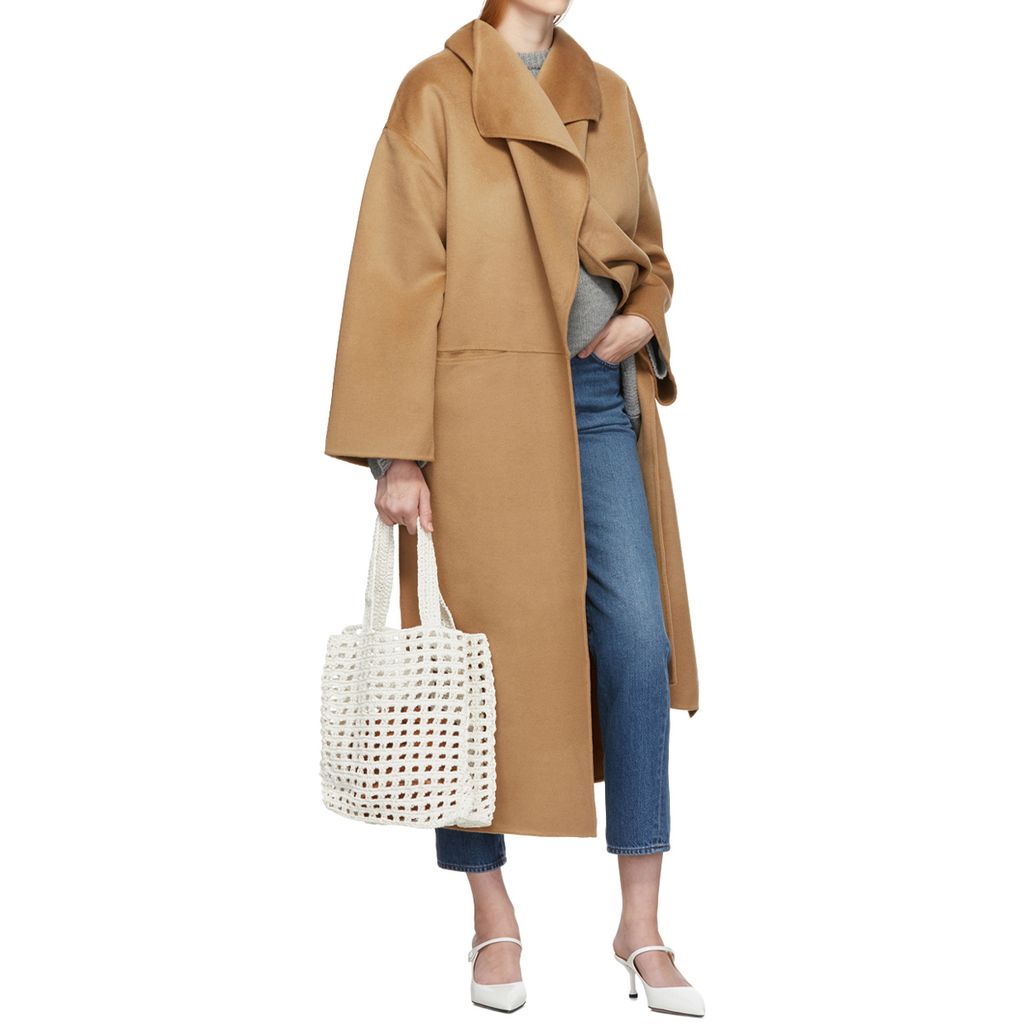
Accessorizing your outfits can transform a simple look into something extraordinary. The right accessories can add personality, color, and texture to your attire, elevating your style and making a statement. From jewelry to bags, the options are abundant, and knowing how to select and pair these elements is essential for a polished appearance.
When accessorizing, it’s crucial to strike a balance to avoid overwhelming your outfit. This means selecting pieces that complement rather than compete with your clothing. The key is to choose accessories that enhance your look without overshadowing it, providing a cohesive and polished finish.
Types of Accessories That Elevate a Look
Accessorizing isn’t just about adding random pieces; it’s about enhancing your style with thoughtful choices. Here are some essential accessory types that can elevate your outfits:
- Jewelry: Statement necklaces, elegant earrings, and stacked bracelets can draw attention and add a pop of color or sparkle. Consider a chunky necklace with a classic white dress for a sophisticated touch.
- Bags: A stylish handbag or clutch can be a focal point of your outfit. A structured handbag pairs beautifully with tailored clothing, while a slouchy bag can complement casual wear.
- Belts: A well-placed belt can define your waist and add shape to your outfit. A wide belt over a flowy dress can create a flattering silhouette.
- Scarves: Scarves can be versatile, serving as a neck accessory, a headband, or even a bag embellishment. A silk scarf can add a chic flair to a simple top.
- Hats: A stylish hat can bring an outfit together, especially in casual settings. A fedora or a wide-brim hat can elevate a summer dress or denim ensemble.
Balancing Accessories to Avoid Overwhelm
Finding the right balance in accessorizing is vital for achieving a polished look. Consider the following tips to ensure your accessories enhance without overwhelming:
- Limit Statement Pieces: Choose one or two statement accessories and keep the rest minimal. For instance, if you’re wearing bold earrings, opt for a subtle bracelet.
- Match Styles: Ensure your accessories are cohesive in style. Pair casual outfits with laid-back accessories and formal wear with elegant pieces.
- Consider Proportions: Balance large accessories with fitted clothing and smaller pieces with looser garments. A chunky necklace looks great with a fitted top, while delicate pieces work well with flowy fabrics.
- Color Coordination: Stick to a color palette that complements your outfit. If your clothing is vibrant, opt for neutral accessories to maintain balance.
Iconic Accessory Pairings with Stylish Apparel
Certain accessories are renowned for their iconic pairings with specific clothing styles. Here are a few examples to inspire your accessorizing choices:
- Denim Jacket: Pair with a chunky knit scarf and oversized sunglasses for a laid-back yet stylish vibe.
- Little Black Dress: Elevate with pearl earrings and a classic clutch for timeless elegance.
- White Shirt and Trousers: A statement belt and leather mules can add sophistication and flair to this classic ensemble.
- Maxi Dress: Accessorize with layered bangles and a floppy hat for a bohemian look.
- Blazer: Use a silk scarf tied around the neck and pointed-toe heels for a polished, professional appearance.
Discuss the significance of fashion events in shaping stylish trends.
Fashion events serve as pivotal platforms that significantly influence and shape stylish trends across the globe. These gatherings not only highlight the creative expressions of designers but also offer insights into consumer preferences and market dynamics. The vibrance and energy of these events create a ripple effect that resonates through the fashion industry and beyond, making them essential to understanding the evolution of style.
Fashion events like New York Fashion Week, Paris Fashion Week, Milan Fashion Week, and London Fashion Week are crucial in determining the next big trends in apparel. Each of these events garners international attention, attracting celebrities, influencers, and fashion enthusiasts who come to witness the latest collections from renowned designers. These events offer a unique blend of artistry, commerce, and culture, and their global impact cannot be understated. For instance, trends showcased in Paris often dictate the styles seen in boutiques worldwide just weeks later, demonstrating the speed at which fashion can evolve and spread.
Major Fashion Events and Their Global Impact
The significance of major fashion events lies in their ability to set the stage for the upcoming season’s styles. Each event showcases a diverse range of designers and trends, with a substantial focus on sustainability and inclusivity in recent years.
- New York Fashion Week: Known for its eclectic mix of established and emerging designers, it serves as a launchpad for new ideas and trends that often filter into mainstream fashion.
- Paris Fashion Week: Often regarded as the pinnacle of fashion, it showcases haute couture and luxury prêt-à-porter, heavily influencing high-end retail globally.
- London Fashion Week: Celebrated for its avant-garde designs, it often pushes the boundaries of creativity, encouraging other markets to embrace experimental styles.
- Milan Fashion Week: Renowned for its glamorous presentations, it emphasizes craftsmanship and sophistication, setting a standard for luxury brands.
Designer Showcases at Fashion Events
Designers utilize fashion events to present their latest collections in immersive and theatrical ways, creating memorable experiences that captivate audiences. The showcases often feature elaborate runway shows that combine innovative designs with stunning visuals and soundscapes, making each collection a work of art in its own right.
A typical runway show may include:
- Thematic Elements: Designers often choose a central theme that reflects their vision, which is vividly brought to life through set design and styling.
- Model Selection: A diverse range of models may be chosen to represent the collection, reflecting the brand’s ethos and appeal.
- Influential Attendance: High-profile guests and industry insiders, including buyers and editors, play a crucial role in amplifying the reach of the showcased styles through their exposure in media.
Trends Filtering into Everyday Fashion
The trends that emerge from major fashion events gradually permeate everyday fashion, influencing what consumers wear across various demographics. This transition from runway to real life is facilitated through several channels.
- Retail Adaptation: Retailers quickly adapt and reinterpret runway trends for the mass market, allowing consumers to access similar styles at more affordable price points.
- Social Media Influence: With the rise of platforms like Instagram and TikTok, fashion trends can be disseminated rapidly, with influencers and celebrities showcasing their take on runway looks.
- Fast Fashion Response: Fast fashion brands often capitalize on trends seen at these events, producing knock-offs that bring high-fashion styles to the broader public.
Fashion events are not just showcases; they are the catalysts for style evolution, influencing how people express themselves through clothing.
Design a section on the relationship between stylish apparel and personal identity.
Fashion is not merely a means of covering oneself; it is a powerful form of self-expression that conveys personal beliefs and values. The clothes we wear can reflect our backgrounds, interests, and emotional states, all of which contribute to our identity. Stylish apparel serves as a canvas upon which individuals paint their personalities, making fashion choices deeply intertwined with self-identity. This relationship is crucial as it helps people articulate who they are or aspire to be within society.
Cultural influences play a significant role in shaping individual style. Fashion is often a reflection of the traditions, customs, and societal norms of one’s culture, merging personal expression with cultural identity. For instance, individuals from diverse backgrounds may incorporate elements from their heritage into their wardrobe, creating a unique blend that showcases their roots while also aligning with contemporary trends. This fusion of personal and cultural expression enriches the fashion landscape and highlights the importance of inclusivity in style.
Fashion choices reflecting beliefs and values
The choices we make in terms of clothing often symbolize our beliefs and values, projecting our views on sustainability, social issues, and personal identity. The rise of eco-friendly fashion brands exemplifies how style can align with ethical beliefs. Many consumers are now opting for sustainable clothing options, emphasizing environmental consciousness in their fashion choices. This shift highlights a growing awareness and commitment to making responsible choices in the fashion industry.
Examples of fashion statements made through clothing include:
- Wearing vintage or second-hand clothing as a stance against fast fashion practices, signaling a commitment to sustainability.
- Choosing attire that represents activism, such as shirts with slogans advocating for social justice movements, allowing wearers to express their support and raise awareness.
- Incorporating traditional garments into modern outfits, which reflects pride in one’s cultural heritage and personal history.
“Fashion is the armor to survive the reality of everyday life.” – Bill Cunningham
Overall, the relationship between stylish apparel and personal identity is reflective of deeper societal dynamics, where individual choices can speak volumes about one’s beliefs, values, and cultural heritage. This connection shapes not only personal expression but also broader social narratives within the fashion world.
Closing Summary
In summary, stylish apparel is not just about looking good; it’s an expression of individuality and a reflection of the times we live in. By understanding the evolution of fashion, the impact of colors, sustainability, and the importance of fit, we can make informed choices that resonate with our personal style. As trends continue to evolve, embracing the story of stylish apparel enables us to celebrate fashion as a dynamic and expressive medium.
FAQ Compilation
What defines stylish apparel?
Stylish apparel is defined by its ability to blend current trends with personal expression, creating looks that are both fashionable and reflective of an individual’s style.
How can I find my personal style?
Finding your personal style involves experimenting with different looks, identifying what you feel most comfortable and confident in, and reflecting on your lifestyle and interests.
What is the importance of sustainable fashion?
Sustainable fashion is important as it promotes eco-friendly practices, reduces environmental impact, and encourages ethical consumption in the fashion industry.
How do I choose the right fit for my body type?
Choosing the right fit involves understanding your body shape, measuring yourself accurately, and trying on various styles to see what flatters your figure best.
Are accessories necessary for a stylish outfit?
While not necessary, accessories can enhance an outfit, add personal flair, and create a cohesive look when chosen thoughtfully.
How can I stay updated with fashion trends?
Staying updated with fashion trends can be achieved by following fashion blogs, influencers on social media, attending fashion events, and subscribing to fashion magazines.