
 Widya pasha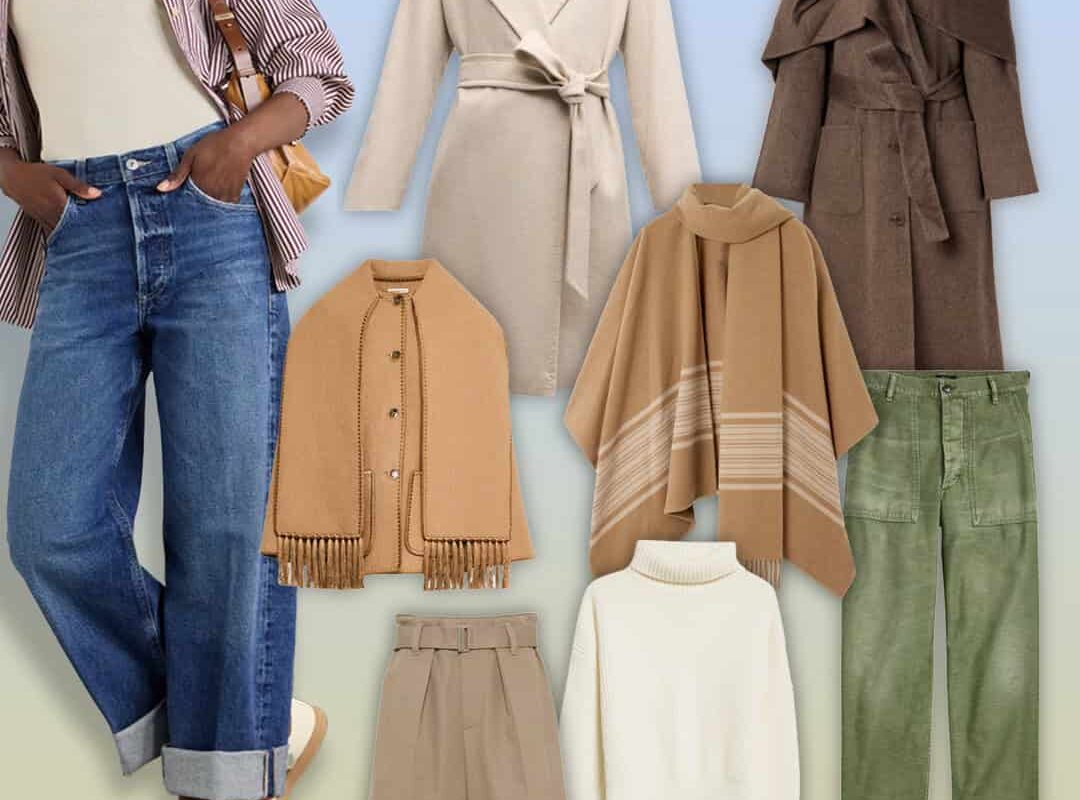
New arrivals are more than just fresh stock; they represent an exciting opportunity for both retailers and consumers. This concept plays a pivotal role in retail, acting as a lure that draws in customers and stirs their curiosity. The introduction of new products can create a buzz, influencing buyer behavior and elevating shopping experiences to new heights.
From the moment a consumer steps into a store or browses an online platform, the allure of new arrivals can shift their shopping intentions. Retailers leverage this tactic not only to increase foot traffic but also to engage customers in a way that sparks interest and encourages purchases. By showcasing latest trends or seasonal offerings, businesses can connect with customers on a personal level, fostering loyalty and repeat visits.
Understanding the Concept of New Arrivals in Retail
In the dynamic world of retail, new arrivals hold a pivotal role in attracting and retaining customers. This concept goes beyond simply introducing new products; it embodies a strategy that taps into the consumer psyche, encouraging shopping behaviors and enhancing brand loyalty. New arrivals signify freshness and innovation, often sparking excitement and urgency among shoppers. Retailers leverage this concept to keep their inventory lively and relevant, ensuring that customers have a reason to return frequently.
The significance of new arrivals in the retail sector cannot be overstated. They play a critical role in inventory management and sales strategy, allowing retailers to clear older stock and make room for fresh products, which can drive higher sales volumes. Furthermore, new arrivals serve as a marketing tool, drawing attention to stores and increasing foot traffic. This practice not only appeals to existing customers but also attracts new ones, expanding the customer base.
Psychological Impact of New Arrivals on Consumer Behavior
The psychological impact of new arrivals on consumers is profound, as it taps into various innate human behaviors. The concept of novelty plays a crucial role in consumer attraction. Shoppers often exhibit heightened interest and enthusiasm towards new products, perceiving them as innovative or superior to existing offerings. This reaction can be attributed to the desire for uniqueness and the need to stay current with trends.
Retailers can capitalize on this psychological phenomenon through strategic marketing campaigns. For example, major brands like Nike and Apple frequently launch new products accompanied by exclusive events and promotions, generating buzz and anticipation among consumers. This creates a sense of urgency, prompting customers to make purchases sooner rather than later to avoid missing out on the latest trends.
To further illustrate the effectiveness of new arrivals in marketing, several successful campaigns can be highlighted:
- H&M’s Seasonal Collections: H&M regularly introduces limited-time seasonal collections that create urgency and exclusivity, driving significant sales spikes.
- Adidas’ Collaborations: Collaborating with celebrities for exclusive sneaker releases has propelled Adidas into the spotlight, resulting in notable sales increases and brand visibility.
- Sephora’s New Product Launches: Sephora often highlights new beauty products through in-store displays and online campaigns, effectively engaging customers and boosting interest in the latest trends.
By understanding the psychological drivers behind consumer behavior, retailers can craft compelling narratives around new arrivals. Such strategies not only enhance customer engagement but also foster a culture of anticipation and excitement around the brand, reinforcing customer loyalty and encouraging repeat purchases.
The Role of New Arrivals in E-commerce Strategies
In the rapidly evolving landscape of e-commerce, the introduction of new arrivals plays a pivotal role in shaping customer experiences and driving sales. New products not only attract attention but also create a sense of urgency and exclusiveness among shoppers. E-commerce platforms capitalize on this by highlighting fresh inventory, which can lead to increased customer engagement and satisfaction.
The integration of new arrivals into e-commerce strategies serves multiple purposes. Firstly, it keeps the product catalog dynamic and appealing, ensuring that returning customers have something new to explore on each visit. In many cases, consumers are more likely to purchase items that are part of a new collection, as they perceive these products to be trendy or latest in the market. Moreover, presenting new arrivals allows brands to leverage marketing campaigns that create buzz around product launches, often enhancing the customer’s shopping experience through effective storytelling and promotion.
Effective Promotion of New Arrivals
To maximize the potential of new arrivals, e-commerce platforms can employ a variety of promotional strategies. Here are some effective methods to consider:
- Email Marketing: Sending targeted emails to subscribers featuring new arrivals with compelling visuals and descriptions can significantly increase engagement. Personalized recommendations based on past purchases can further enhance the effectiveness of this method.
- Social Media Campaigns: Utilizing platforms like Instagram and Facebook helps brands showcase new products through eye-catching images and videos. Engaging content, like behind-the-scenes looks at product development, can add an enticing narrative that encourages shares and interactions.
- On-Site Promotions: Implementing features such as a dedicated “New Arrivals” section on the homepage or using pop-up notifications can draw attention as soon as users land on the site. Highlighting these products with attractive banners or limited-time offers can create urgency.
- Influencer Collaborations: Partnering with influencers to showcase new arrivals can reach broader audiences. Authentic reviews and demonstrations can enhance credibility and drive traffic to the online store.
To further illustrate the impact of new arrivals in the shopping experience, it is crucial to compare their role in physical versus online stores. In a physical retail environment, new arrivals often create an immediate visual impact; shoppers can physically interact with products, which enhances the sensory experience. Seasonal displays and exclusive in-store promotions entice customers to visit frequently. The tactile experience of handling new products can play a significant role in influencing purchase decisions.
Conversely, in the realm of online shopping, the experience revolves around convenience and efficiency. New arrivals can be showcased using high-quality images, detailed descriptions, and customer reviews, allowing shoppers to make informed decisions from the comfort of their homes. Moreover, the capacity for online stores to use data analytics to track consumer preferences and behaviors enables targeted marketing strategies that align with the interests of their audience.
The online shopping experience can often lead to impulsive purchases driven by trends and limited-time offers associated with new products, thus creating an advantage over traditional retail. In summary, while both physical and online stores leverage new arrivals to attract customers, the strategies and impacts differ, reflecting the unique strengths of each shopping medium.
Seasonal Trends and New Arrivals
Seasonal changes play a vital role in influencing retail trends and determining which products will be introduced to the market. As the seasons shift, customer preferences evolve, prompting brands to refresh their inventory in line with current demands and seasonal aesthetics. This synchronization not only keeps the offerings relevant but also enhances customer engagement by aligning products with their seasonal needs and desires.
The introduction of new arrivals is often strategically timed with seasonal shifts. For instance, as winter approaches, retailers begin stocking up on warm clothing, cozy accessories, and holiday-themed items. These seasonal trends help businesses to cater to the changing lifestyle of customers, providing them with items that are relevant to their current needs. Popular categories that typically see a surge in new arrivals based on different seasons include:
Popular Categories of New Arrivals by Season
As each season brings its unique characteristics, certain product categories tend to gain popularity during specific times of the year. Understanding these trends is essential for retailers aiming to optimize their new arrivals. The following list Artikels the categories that commonly see new arrivals in each season:
- Spring: Floral prints, lightweight fabrics, gardening tools, and outdoor furniture become popular as people emerge from winter hibernation.
- Summer: Swimwear, sunglasses, beach accessories, and outdoor grill equipment hit the shelves, reflecting the vacation and outdoor activity mindset of consumers.
- Autumn: As temperatures drop, new arrivals include sweaters, boots, and fall decorations, appealing to consumers’ desire for warmth and seasonal festivities.
- Winter: Cozy apparel such as jackets, scarves, and holiday decorations are essential as consumers prepare for the colder months and festive celebrations.
Timing new arrivals is crucial for maximizing customer engagement. Brands that can anticipate seasonal shifts and release products accordingly often see increased sales and customer loyalty. Research has shown that retailers who launch new collections in sync with seasonal changes can experience a significant boost in foot traffic and online visits. This is partly due to consumers’ anticipatory purchasing behaviors; they are more likely to shop when they feel there is a pressing need for seasonal products.
“Aligning new arrivals with seasonal trends is not just a matter of aesthetics; it is a strategic approach to engaging customers at the right time.”
Retailers that effectively leverage seasonal trends can create a sense of urgency and excitement around their products, leading to increased sales and enhanced brand loyalty.
The Importance of Inventory Management for New Arrivals

Effective inventory management is crucial for businesses, especially when it comes to integrating new arrivals into existing stock. Proper management not only helps in maintaining optimal inventory levels but also ensures that new products are strategically positioned to meet customer demand. With the right inventory practices, businesses can enhance their operational efficiency, reduce costs, and improve customer satisfaction by having the right products available at the right time.
Inventory management plays a significant role in handling new arrivals by providing a structured system to monitor stock levels, track sales trends, and predict future demand. When businesses receive new products, they need to quickly assess how these items fit into their current inventory strategy. This involves understanding the types of products being added, their expected demand, and how they will influence overall inventory turnover. A well-managed inventory system helps in identifying potential slow-moving items and assists in making informed decisions about pricing, promotions, and markdowns.
Techniques for Forecasting Demand for New Arrivals
Accurate demand forecasting for new arrivals is essential for inventory management. Various techniques can be employed to predict how well new products will perform. These techniques help businesses make informed decisions about ordering, stocking, and marketing new arrivals.
- Historical Sales Data Analysis: Analyzing past sales data can provide insights into trends and customer preferences. For instance, if a specific product category has consistently performed well during a particular season, businesses can expect new arrivals in that category to follow a similar pattern.
- Market Research: Conducting market research allows businesses to gauge consumer interest in new products. Surveys, focus groups, and competitor analysis can shed light on what customers are looking for and how well new arrivals may be received.
- Seasonal Trends: Understanding seasonal trends is vital for accurately forecasting demand. Some products may sell better during holidays or specific seasons. Incorporating seasonal patterns into demand predictions helps in planning inventory levels effectively.
- Promotional Activities: Anticipating the impact of marketing campaigns on new arrivals can significantly influence demand forecasts. When planning promotional activities, businesses should consider how these efforts will drive sales and adjust inventory levels accordingly.
- Machine Learning and Predictive Analytics: Utilizing advanced technologies like machine learning can enhance forecasting accuracy. These systems can analyze large datasets to identify patterns that might not be immediately visible to human analysts.
A structured approach to integrating new arrivals into existing inventory systems can optimize overall inventory performance. Below is a table outlining the steps involved in this process:
| Step | Description |
|---|---|
| 1. Receive New Arrivals | Ensure that new stock is accurately received and counted, updating the inventory system to reflect these changes. |
| 2. Analyze Product Demand | Use forecasting techniques to evaluate expected demand based on historical data, market research, and trends. |
| 3. Set Initial Stock Levels | Determine optimal initial stock levels for new arrivals to prevent stockouts or excess inventory. |
| 4. Monitor Performance | Continuously track sales of new arrivals and adjust inventory levels based on performance data. |
| 5. Adjust Strategy | Use insights from sales data to refine inventory strategies, including pricing, promotions, and future ordering. |
Effective inventory management for new arrivals not only streamlines operations but also enhances customer satisfaction by ensuring that the right products are available when needed. By implementing accurate forecasting techniques and a structured integration approach, businesses can achieve a competitive edge in today’s fast-paced market.
Customer Engagement with New Arrivals
Engaging customers with new arrivals is essential for driving sales and enhancing customer loyalty. By leveraging various strategies, retailers can create a buzz around their newest products, making customers feel excited and valued. This discussion will explore effective ways to enhance customer engagement, utilize feedback mechanisms, and capitalize on social media to showcase new arrivals.
Strategies to Enhance Customer Engagement
Creating an inviting atmosphere around new arrivals requires a multi-faceted approach. The following strategies can significantly enhance customer engagement:
- Email Marketing Campaigns: Utilize targeted email campaigns to inform subscribers about new arrivals. Personalized recommendations based on past purchases can improve open and click-through rates.
- Exclusive Previews: Offer loyal customers exclusive access to view and purchase new products before they are available to the general public. This creates a sense of exclusivity and urgency.
- In-store Events: Host launch parties or themed events that celebrate new arrivals. These events can provide customers with hands-on experiences, allowing them to interact with products directly.
- Loyalty Programs: Incorporate new arrivals into loyalty programs by offering points or discounts for purchasing newly launched items. This encourages repeat business and drives excitement for new collections.
Customer Feedback Loop for New Arrivals
To continually improve new arrivals and align them with customer preferences, establishing a robust feedback loop is crucial. This loop can be structured in several ways:
- Surveys and Polls: After a new arrival’s launch, send out surveys to gather customer opinions. Questions can focus on product functionality, design, and overall satisfaction.
- Incentivized Feedback: Encourage customers to leave reviews by offering discounts or loyalty points for their feedback on new arrivals. This not only boosts reviews but also enhances engagement.
- Social Media Listening: Monitor social media channels for mentions and discussions about new arrivals. Tools like Hootsuite or Sprout Social can help track customer sentiments effectively.
Utilizing Social Media for Showcasing New Arrivals
Social media is a powerful tool for reaching and engaging customers with new products. Here’s how to effectively utilize social media:
- Visual Content: High-quality images and videos of new arrivals can significantly attract attention. Utilize platforms like Instagram and TikTok for creative visuals and product demonstrations.
- User-Generated Content: Encourage customers to share their own photos and experiences with new arrivals. Celebrating user-generated content increases authenticity and builds community.
- Influencer Collaborations: Partner with influencers to showcase new products in an organic manner. Influencers can provide authentic endorsements that resonate with their followers.
“Engagement through new arrivals is not just about promotion; it’s about creating a connection that resonates with customers.”
The Future of New Arrivals in Retail
As the retail landscape evolves, new arrivals are becoming integral to maintaining consumer interest and loyalty. The future of new arrivals will likely be shaped by various trends influenced by technology, consumer preferences, and sustainability. Retailers must stay attuned to these changes to ensure they remain competitive and relevant in an ever-changing market.
The integration of technology in retail is fundamentally transforming the way new arrivals are presented and sold. Retailers are increasingly leveraging augmented reality (AR) and virtual reality (VR) to enhance the shopping experience. For instance, AR applications allow customers to visualize products in their own environment before making a purchase. This immersive experience can lead to higher engagement rates and reduced return rates, as customers feel more confident in their selections. Additionally, AI-driven analytics can personalize shopping experiences, letting retailers recommend new arrivals based on previous purchases or browsing behavior. This level of customization is helping to create a more tailored shopping experience, drawing customers into exploring new products.
Predicted Trends for New Arrivals Over the Next Five Years
Several key trends are expected to shape the future of new arrivals in retail. Understanding these trends is essential for retailers looking to adapt and thrive in this dynamic climate. Below is a table summarizing these trends along with their implications:
| Year | Trend | Description |
|---|---|---|
| 2024 | Increased Focus on Sustainability | Consumers will demand transparency in sourcing and production methods, encouraging retailers to prioritize eco-friendly new arrivals. |
| 2025 | Enhanced Use of AI and Machine Learning | Retailers will use AI to predict trends and streamline inventory management, allowing for quicker turnaround of new arrivals. |
| 2026 | Expansion of Omnichannel Experiences | Integration of online and offline shopping experiences will enable consumers to explore new arrivals seamlessly across platforms. |
| 2027 | Rise of Social Commerce | Social media platforms will become crucial for launching and showcasing new arrivals, tapping into influencer marketing and user-generated content. |
| 2028 | Personalization through Data Analytics | Retailers will leverage big data to deliver highly personalized promotions and product suggestions for new arrivals, enhancing customer loyalty. |
The ongoing evolution of consumer preferences will also dictate the types of new arrivals that retailers choose to focus on. As the demand for unique, exclusive, and culturally relevant products grows, brands will need to embrace agility in their product development processes. This shift will ensure they can respond to market trends and consumer desires swiftly.
Moreover, the use of experiential marketing strategies is anticipated to rise, encouraging retailers to create unique in-store experiences centered around new arrivals. This could involve pop-up shops, interactive displays, or live demonstrations that captivate consumers and encourage them to engage with products in novel ways.
In summary, the future of new arrivals in retail is poised to be an innovative blend of technology, consumer engagement, and sustainability. Retailers that adapt to these evolving trends will likely find themselves leading the pack in an increasingly competitive marketplace.
End of Discussion
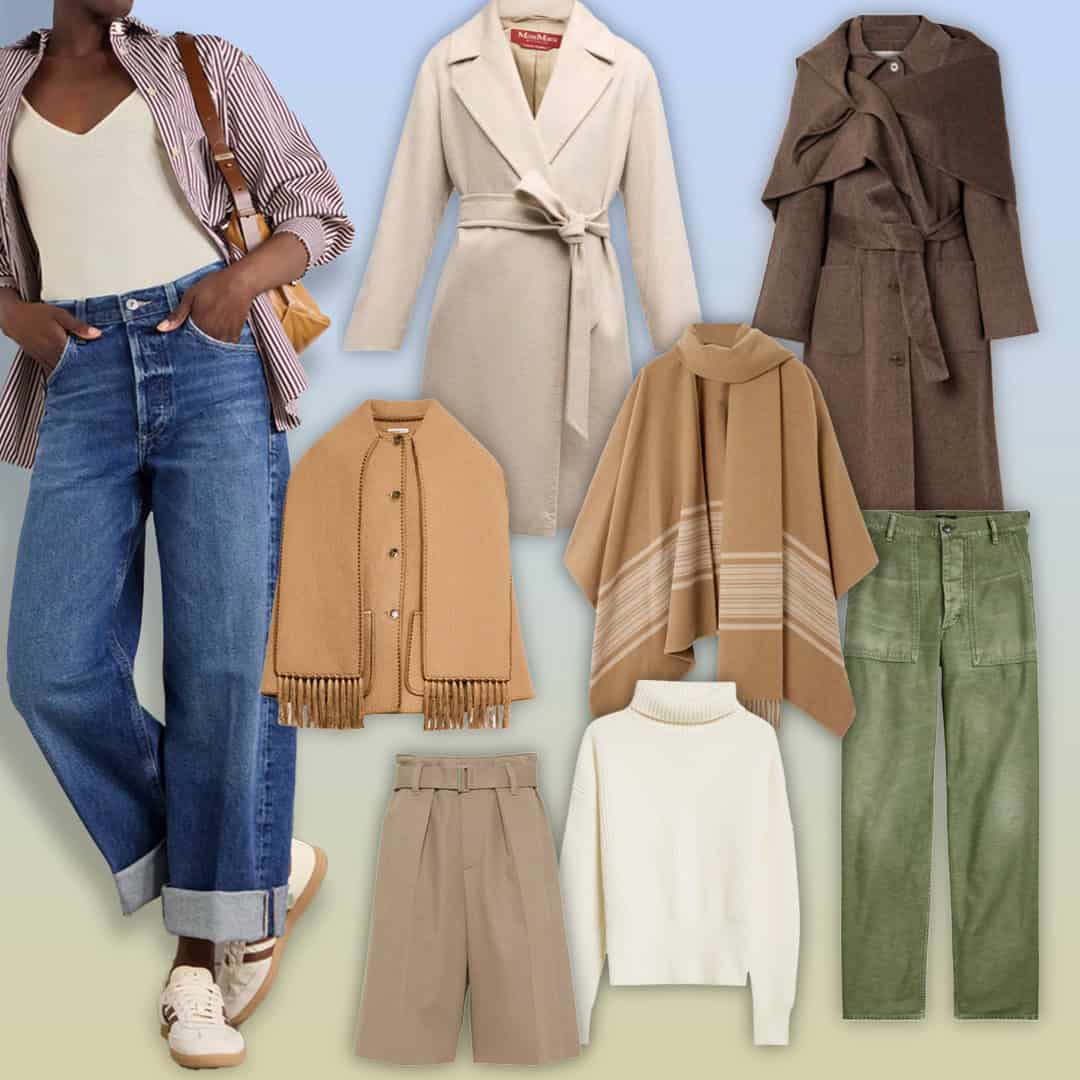
In summary, the strategy behind new arrivals is a dynamic aspect of retail that continues to evolve. By understanding the psychological triggers and leveraging effective marketing techniques, businesses can enhance customer interactions and drive sales. As we look to the future, staying ahead of trends and maintaining robust inventory management will be crucial in keeping the excitement around new arrivals alive, ensuring that consumers are consistently engaged and eager for what’s next.
FAQ Section
What are new arrivals in retail?
New arrivals refer to the latest products introduced in a store, aimed at attracting customers and boosting sales.
How often should retailers introduce new arrivals?
The frequency can vary, but many retailers refresh their stock seasonally or monthly to keep the offerings exciting and relevant.
What types of products are considered new arrivals?
New arrivals can include anything from apparel and electronics to seasonal goods and limited-edition items.
How do new arrivals impact customer decision-making?
New arrivals create a sense of urgency and excitement, often leading to impulsive buying decisions as customers want to be among the first to own the latest products.
Are new arrivals more effective in physical stores or online?
Both have their advantages; physical stores allow for tactile experiences, while online platforms can reach a broader audience quickly and efficiently.