
 Widya pasha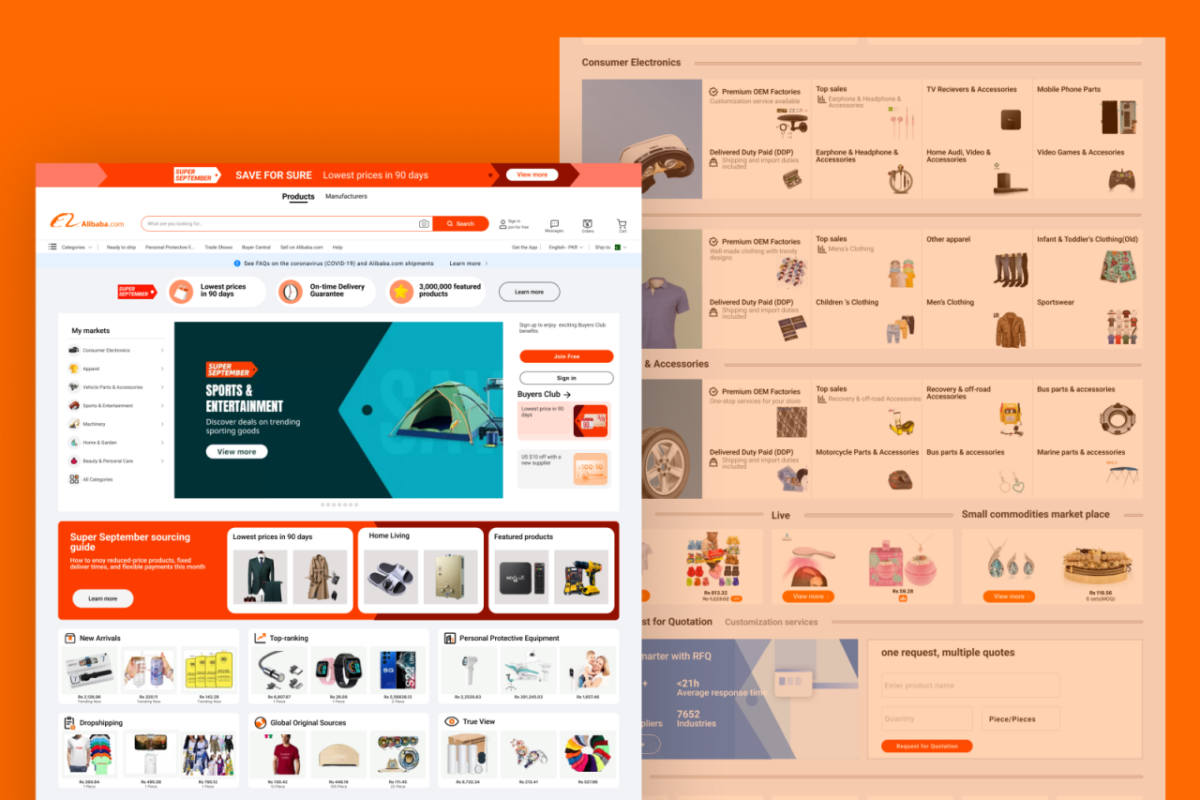
E-commerce websites have transformed the way we shop, offering convenience and accessibility at our fingertips. As online shopping continues to grow, understanding the essential components of an effective E-commerce website becomes crucial for both new entrepreneurs and established businesses. From user experience design to payment gateways, each element plays a significant role in attracting customers and driving sales.
This guide delves into the fundamental aspects of E-commerce websites, exploring how each component contributes to overall functionality and user satisfaction. We’ll discuss the importance of user experience, the significance of mobile optimization, and effective digital marketing strategies, all aimed at enhancing your online presence and attracting more customers.
Understanding the fundamental components of an E-commerce website
E-commerce websites have transformed the retail landscape by allowing businesses to reach a wider audience without the constraints of physical locations. A successful E-commerce website is built on various fundamental components that work in harmony to ensure smooth operations and an excellent user experience. These components include product catalogs, shopping carts, payment gateways, user accounts, and customer support systems, each contributing uniquely to the overall functionality and user experience.
The product catalog serves as the online showcase of goods available for purchase. It must be visually appealing and well-organized, allowing customers to easily browse through the offerings. High-quality images, detailed descriptions, and clear pricing are critical elements that enhance the attractiveness of the catalog. A well-structured catalog not only aids in retention but also encourages conversions.
Shopping carts are another vital component, acting as a temporary holding area for selected items before checkout. The design and functionality of the shopping cart should facilitate easy updates, allowing users to add or remove items effortlessly. A user-friendly checkout process, complete with clear instructions and minimal distractions, significantly improves the purchasing experience.
Payment gateways are crucial for processing transactions securely. They encrypt sensitive information and ensure compliance with financial regulations. A variety of payment options, including credit cards, digital wallets, and alternative payment methods, should be offered to cater to diverse customer preferences. A seamless payment experience reduces cart abandonment rates and builds trust with customers.
User accounts contribute to a personalized shopping experience. By allowing customers to create accounts, E-commerce websites can provide tailored recommendations, track orders, and simplify the purchasing process for returning visitors. The convenience of saved payment methods and shipping addresses encourages repeat business.
Customer support systems are essential for addressing inquiries and resolving issues. Live chat features, FAQs, and support tickets create an environment where customers feel valued and supported, fostering trust and loyalty.
Popular E-commerce websites exemplify these components with unique features:
- Amazon: Extensive product catalog with customer reviews and personalized recommendations.
- eBay: User accounts that facilitate bidding and auction-style purchases.
- Zalando: User-friendly shopping cart and easy return policy to enhance customer satisfaction.
- Shopify: Customizable storefronts for businesses, integrating various payment gateways seamlessly.
The collective functionality of these components creates a user-friendly environment that not only drives sales but also cultivates brand loyalty and customer satisfaction.
The importance of user experience design in E-commerce websites
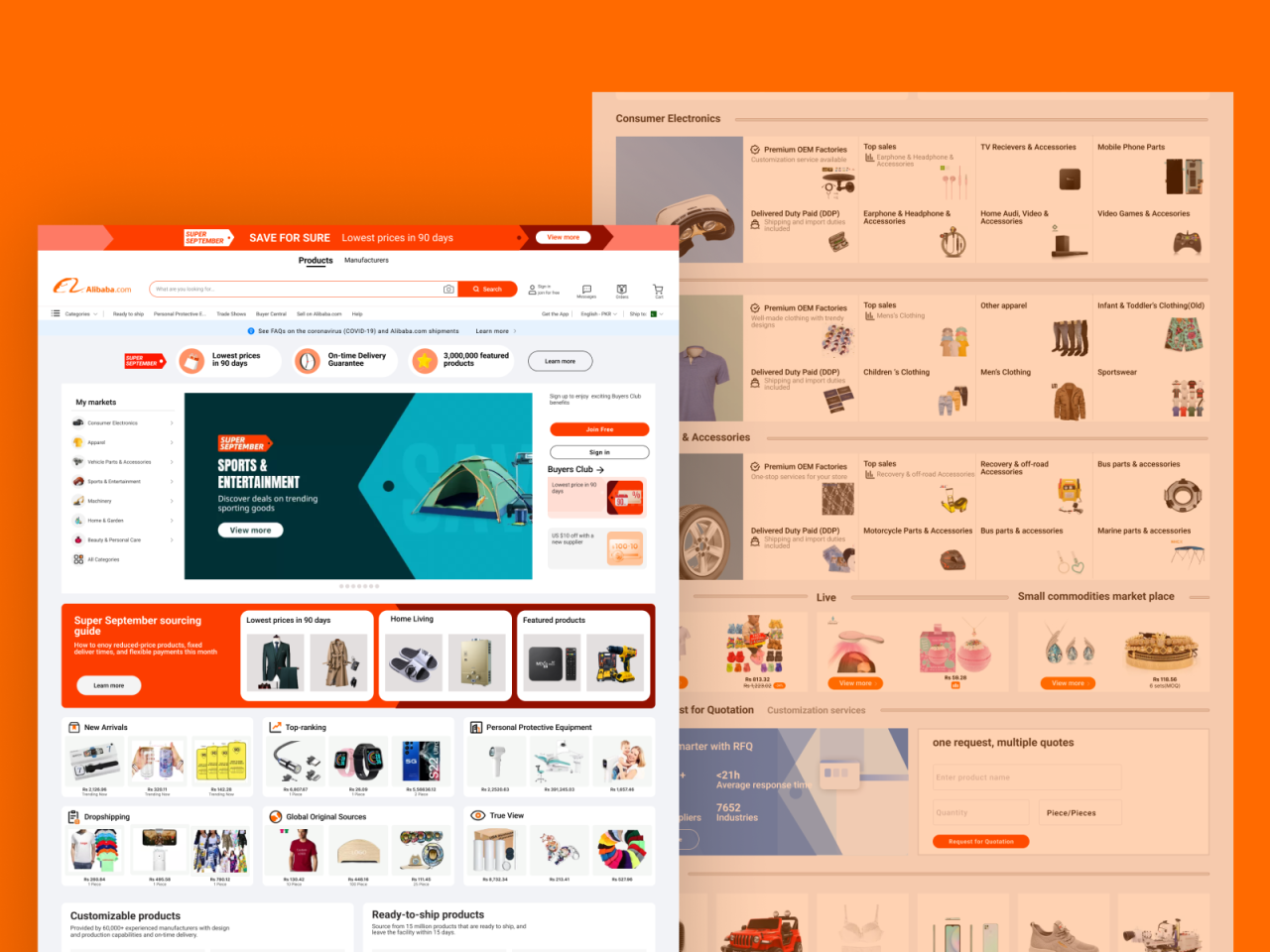
In the competitive landscape of E-commerce, user experience (UX) design plays a pivotal role in influencing customer satisfaction and retention. A well-crafted UX design not only attracts customers but also encourages them to complete their purchases, ensuring that they return for future transactions. As consumers increasingly rely on online shopping, creating an intuitive and enjoyable experience becomes essential for businesses looking to thrive in this digital space.
User experience design encompasses every aspect of a user’s interaction with an E-commerce website, from the visual appeal and layout to the ease of navigation and checkout processes. When users encounter a seamless and engaging experience, they are more likely to trust the platform, feel comfortable making purchases, and recommend the site to others. Research indicates that 88% of online consumers are less likely to return to a site after a bad experience, which highlights the necessity of investing in effective UX design to foster loyalty and drive sales.
Methods for assessing user experience and suggesting improvements
To ensure that an E-commerce website meets the needs of its users, it is vital to implement various assessment methods. These methods help identify areas for improvement and enhance overall user satisfaction.
Conducting user feedback surveys allows businesses to gather direct insights from their customers about their experiences. These surveys can cover aspects such as website navigation, product search efficiency, and checkout processes. Additionally, usability testing is a powerful tool, where real users are observed as they interact with the website. This method can reveal potential pain points that may not be apparent to designers and developers.
Another effective approach is utilizing web analytics tools to track user behavior on the site. This data provides valuable insights into metrics such as bounce rates, average session durations, and conversion rates. By analyzing this information, businesses can pinpoint high-traffic areas that may require optimization or identify steps in the checkout process where users abandon their carts.
Best practices for designing user-friendly E-commerce websites
Implementing best practices in user experience design is crucial for creating an effective E-commerce platform. The table below Artikels key best practices that contribute to a user-friendly experience:
| Best Practice | Description | Benefit | Example |
|---|---|---|---|
| Responsive Design | Ensure the website is accessible and user-friendly on all devices. | Enhances usability and caters to mobile shoppers. | Websites that adjust layouts for smartphones and tablets. |
| Simple Navigation | Implement clear menus and logical pathways for users to locate products. | Reduces frustration and keeps users engaged. | Top navigation bars with easily identifiable categories. |
| Streamlined Checkout | Minimize the number of steps required to complete a purchase. | Decreases cart abandonment rates and increases conversions. | One-page checkout forms to simplify the process. |
| High-Quality Visuals | Use professional images and videos to showcase products. | Improves product appeal and builds customer trust. | 360-degree views or high-resolution images on product pages. |
Investing in user experience design is not just a trend; it is a fundamental necessity for E-commerce websites. By prioritizing UX, businesses can create a more enjoyable shopping experience, leading to increased customer loyalty and higher sales conversions.
The role of payment gateways in E-commerce transactions
Payment gateways serve as the bridge between a shopper and a merchant’s bank, facilitating seamless online transactions. They ensure that sensitive financial information is securely transmitted, allowing customers to make purchases safely. Understanding the different types of payment gateways available and how they function is crucial for both online businesses and consumers to ensure secure and efficient transactions.
Types of payment gateways used in E-commerce
Various types of payment gateways are utilized in E-commerce, each with unique functionalities and security features. Below, we explore some of the most common types, how they function, and the security measures they incorporate.
- Hosted Payment Gateways: These gateways redirect customers to a third-party site to complete transactions. They handle all the payment processing and security measures, minimizing the merchant’s liability. Examples include PayPal and Stripe.
- Integrated Payment Gateways: These are embedded directly into the merchant’s website, allowing customers to complete transactions without leaving the site. They offer more control over the user experience but require more security measures from the merchant. Examples include Authorize.Net and Square.
- API Payment Gateways: These gateways offer developers the flexibility to create customized payment solutions using APIs. They provide access to a range of services but require extensive technical knowledge. Examples include Braintree and Adyen.
- Mobile Payment Gateways: With the rise of mobile commerce, these gateways cater specifically to mobile transactions, allowing customers to pay via their smartphones. Examples include Google Pay and Apple Pay.
Security measures are paramount in E-commerce transactions, and payment gateways incorporate various technologies to protect sensitive information. Most payment gateways use encryption protocols like SSL (Secure Socket Layer) to secure data during transmission, ensuring that credit card details and personal information remain confidential. Additionally, many gateways implement tokenization, which replaces sensitive data with unique identifiers, further enhancing security.
The following table Artikels the pros and cons of different payment gateways, providing a clear comparison for merchants to evaluate their options:
| Payment Gateway Type | Pros | Cons |
|---|---|---|
| Hosted Payment Gateway | Easy to set up, low maintenance, high security | Redirects customers away from the site, limited customization |
| Integrated Payment Gateway | Full control over user experience, retains customers on site | Higher security responsibility, requires technical knowledge |
| API Payment Gateway | Highly customizable, broad range of features | Requires development resources, more complex integration |
| Mobile Payment Gateway | Convenient for mobile users, supports various payment methods | May require additional integration effort, limited to mobile transactions |
“Payment gateways are crucial in E-commerce, ensuring that transactions are processed securely and efficiently.”
Strategies for effective product presentation on E-commerce websites
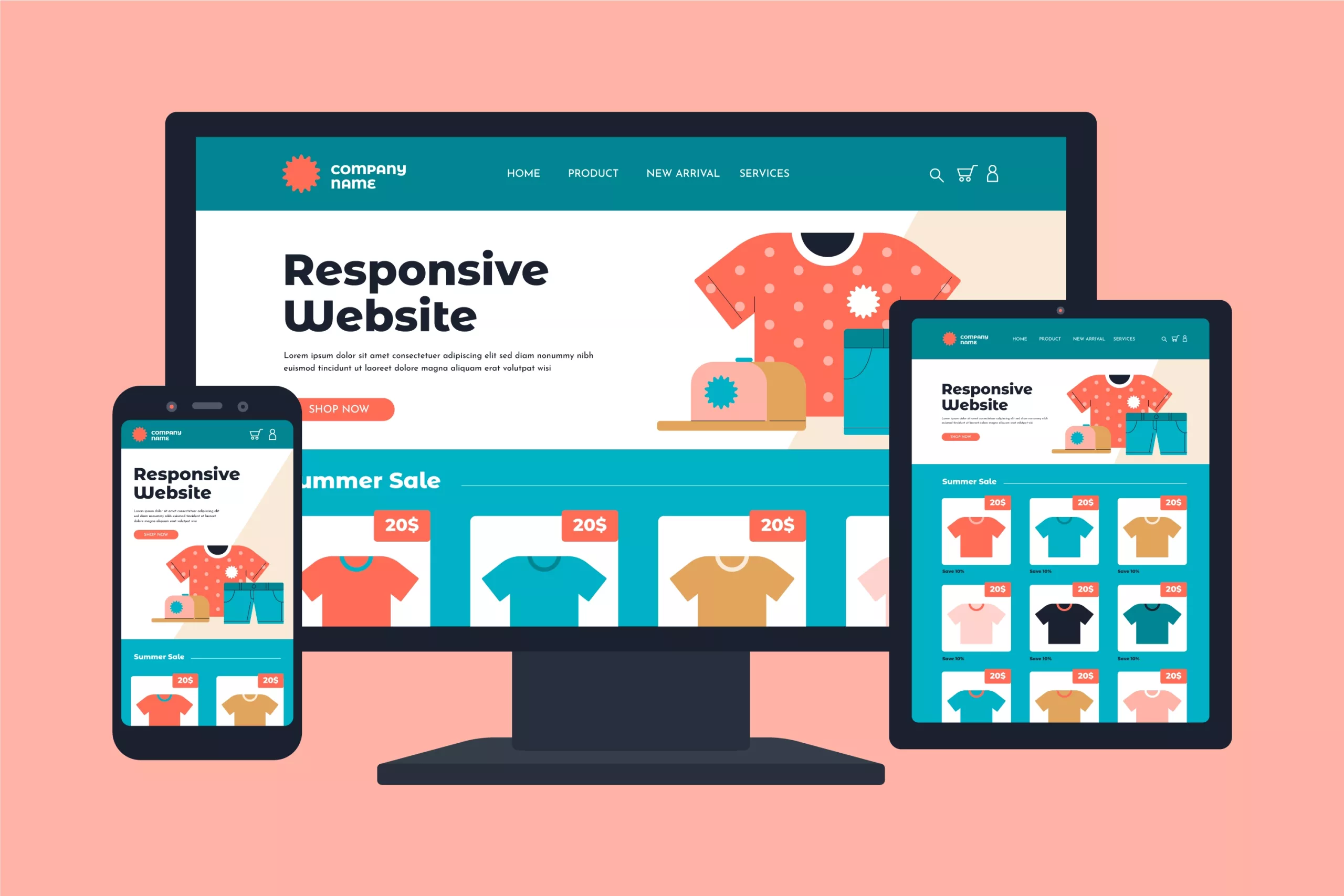
The presentation of products on e-commerce websites plays a crucial role in shaping customer purchasing decisions. A well-structured and visually appealing product display can significantly increase engagement, leading to higher conversion rates. Understanding how to effectively showcase products is essential for e-commerce success, as it directly impacts the customer’s perception and trust in the brand.
Product presentation influences various elements of the shopping experience. High-quality images, detailed descriptions, and a clean layout can create an inviting atmosphere that encourages customers to explore further. Consumers are more likely to make a purchase when they feel confident about what they are buying. Therefore, employing effective product presentation strategies can bridge the gap between browsing and buying.
Techniques to Enhance Product Images and Descriptions for Maximum Impact
Enhancing product images and descriptions is pivotal for captivating customer interest. High-impact visuals coupled with informative text can lead to a more satisfying shopping experience. Here are several techniques to consider for maximizing product presentation:
– Use High-Resolution Images: Clear and high-quality images allow customers to see the product’s details. Implementing zoom-in features can provide customers with a closer look, enhancing their understanding of the item.
– Incorporate Multiple Angles: Showcasing products from various perspectives gives customers a comprehensive view. This can alleviate uncertainties about the product’s dimensions and design.
– Include Lifestyle Images: Presenting products in real-life settings can help customers visualize how the items will fit into their lives. For example, showing a piece of furniture in a decorated room can spark the imagination and desire to own it.
– Write Engaging Product Descriptions: Descriptions should not only list features but also highlight benefits. Use descriptive language that evokes emotions and connects with the target audience’s needs and desires.
– Utilize Bullet Points for Key Features: Bullet points make it easy for customers to scan important information quickly. This format helps highlight unique selling propositions effectively.
The following examples demonstrate successful product layouts:
– Fashion Retailer Example: A clothing store uses a grid layout with large, high-resolution images that allows quick scanning of available styles. Each product is accompanied by a concise description focusing on fabric type, sizes available, and care instructions.
– Electronics Store Example: An electronics website features interactive images that allow customers to rotate products and see them in 3D. Detailed specifications are listed in bullet points for easy reference, including battery life, connectivity options, and warranty information.
Incorporating these strategies can elevate the online shopping experience, instilling confidence in customers and ultimately driving sales.
Exploring the significance of mobile optimization for E-commerce websites
In today’s fast-paced digital landscape, mobile optimization has become a critical component for E-commerce websites. With a significant portion of online shoppers using their mobile devices to browse and purchase products, ensuring that your website is mobile-friendly is no longer an option; it is a necessity. Failing to optimize for mobile can lead to lost sales opportunities and a deteriorating customer experience, ultimately affecting your brand’s reputation and profitability.
Mobile optimization is essential because mobile users expect a seamless shopping experience that mimics the efficiency and ease of desktop browsing. According to recent statistics, over 54% of global E-commerce sales now occur on mobile devices. This shift in consumer behavior highlights the importance of creating websites that load quickly, are easy to navigate, and display product information clearly on smaller screens. Additionally, Google prioritizes mobile-optimized websites in search rankings, meaning that neglecting this aspect can hinder your visibility and traffic.
Necessary steps for mobile optimization
To ensure your E-commerce site is fully mobile-optimized, consider the following actionable steps:
1. Responsive Web Design: Implement a responsive design that adjusts the layout of your website to fit any screen size. This technique ensures that your site looks good and functions well on smartphones, tablets, and desktops alike.
2. Optimize Page Load Speed: Mobile users are particularly sensitive to loading times. Aim to keep your pages under three seconds. You can use tools like Google PageSpeed Insights to analyze and improve your load speed.
3. Simplify Navigation: Design a user-friendly navigation system that is easy to understand and use on mobile devices. Consider using expandable menus and large, touch-friendly buttons to enhance usability.
4. Utilize Large Fonts and Buttons: Text should be readable on smaller screens, so use a font size that is at least 16px. Buttons should also be large enough to be easily tapped without requiring precision.
5. Streamline Checkout Process: Reduce the number of steps in the checkout process to make it as quick and easy as possible. Implement guest checkout options and autofill features to enhance the experience.
6. Test Across Devices: Regularly test your website on various mobile devices and browsers to identify and fix any issues. Ensure that the mobile experience is consistent across platforms.
The following table lists useful mobile optimization tools and resources to assist in the process:
| Tool/Resource | Description |
|---|---|
| Google PageSpeed Insights | A tool that analyzes the content of a web page and generates suggestions to make that page faster. |
| Responsinator | A tool to test how a website looks on different devices, ensuring responsiveness and usability. |
| Mobile-Friendly Test | A Google tool that checks if a website is mobile-friendly and provides suggestions for improvement. |
| GTmetrix | This tool analyzes your website’s speed and provides recommendations on how to improve its performance. |
| W3C Mobile Checker | A validator that checks if a site is compliant with mobile web standards. |
Investing time and resources into mobile optimization is crucial for E-commerce businesses seeking to enhance user experience, drive sales, and stay competitive in the market. As consumers continue to prefer mobile shopping, ensuring your website is optimized for mobile use can significantly impact your overall success.
The impact of digital marketing strategies on E-commerce success
The rise of e-commerce has transformed the way businesses operate, making digital marketing strategies essential for achieving success in this competitive landscape. With millions of online shoppers, e-commerce websites must implement effective marketing strategies to drive traffic, convert visitors into customers, and ultimately boost sales. The integration of various digital marketing channels plays a pivotal role in enhancing brand visibility and engagement, thereby contributing to overall e-commerce success.
Digital marketing encompasses a range of strategies designed to attract visitors to e-commerce sites. These strategies include Search Engine Optimization (), Pay-Per-Click (PPC) advertising, Social Media Marketing (SMM), Email Marketing, and Content Marketing. Each strategy serves a distinct purpose, collectively driving traffic and fostering customer relationships. For instance, enhances website visibility on search engines, while PPC provides immediate visibility through paid advertisements. SMM engages users on platforms they frequent, creating a community around the brand. Email marketing fosters direct communication with potential customers, offering personalized promotions and updates. Lastly, content marketing builds authority and trust through valuable content that resonates with the target audience.
Measurement of Marketing Effectiveness
Measuring the effectiveness of digital marketing strategies is crucial for optimizing campaigns and ensuring return on investment (ROI). Various metrics can be employed to assess performance, including website traffic, conversion rates, click-through rates (CTR), customer acquisition cost (CAC), and customer lifetime value (CLV). For instance, an increase in website traffic can indicate successful or PPC efforts, whereas high conversion rates signify that the marketing message resonates with visitors. Similarly, analyzing CTR can reveal the effectiveness of ad copy and placement. By continuously monitoring these metrics, e-commerce businesses can fine-tune their marketing strategies based on data-driven insights.
The following are some of the most effective digital marketing channels for e-commerce businesses, each playing a vital role in driving traffic and enhancing customer engagement:
- Search Engine Optimization (): Enhances organic visibility, attracting relevant traffic through improved search rankings.
- Pay-Per-Click (PPC) Advertising: Generates immediate traffic with targeted ads on search engines and social media platforms.
- Social Media Marketing: Engages customers and builds brand loyalty through platforms like Facebook, Instagram, and Twitter.
- Email Marketing: Communicates directly with customers, promoting products and nurturing customer relationships.
- Content Marketing: Establishes brand authority by providing valuable and informative content, driving organic traffic and engagement.
- Affiliate Marketing: Leverages third-party affiliates to promote products, broadening reach and generating sales through commissions.
- Influencer Marketing: Collaborates with influencers to tap into their follower base, enhancing brand credibility and visibility.
These channels not only drive traffic but also help in building long-term relationships with customers, ultimately leading to sustained e-commerce success.
Effective digital marketing strategies are essential for maximizing reach and conversion in the dynamic e-commerce environment.
Understanding the logistics of E-commerce
E-commerce logistics encompass the processes involved in the transportation and storage of goods sold online. This logistics framework is crucial for ensuring that products reach customers promptly and in good condition, impacting customer satisfaction and retention. With the rapid growth of online shopping, understanding the intricacies of shipping and fulfillment has become imperative for e-commerce businesses of all sizes.
Shipping and fulfillment involve a variety of steps, including order processing, inventory management, warehousing, packaging, and the actual shipment of products to customers. Efficient logistics can significantly reduce operational costs and enhance service quality. For instance, properly managing inventory levels helps avoid stockouts and overstock situations, which can tie up capital. E-commerce companies can choose from various shipping methods, each with unique advantages and disadvantages that can affect delivery speed, cost, and customer experience.
Shipping methods and their advantages and disadvantages
Selecting the right shipping method is essential for optimizing logistics in e-commerce. Here are some common shipping methods along with their pros and cons:
- Standard Shipping: Typically the most economical option. It has a longer delivery time, usually 3-7 business days, making it less ideal for urgent orders.
- Expedited Shipping: Offers a faster delivery time, often within 2-3 business days. The downside is the higher cost, which might deter price-sensitive customers.
- Same-Day Delivery: Provides immediate delivery, increasing customer satisfaction for last-minute needs. However, it may require a more complex logistics network and higher operational costs.
- International Shipping: Allows e-commerce sites to reach global customers. The major drawbacks include longer delivery times and potential customs fees or regulations that can complicate the process.
- Click and Collect: Customers purchase online and pick up in-store, saving on shipping costs. This method can enhance customer loyalty but requires physical store locations and inventory management.
Understanding these shipping methods enables e-commerce businesses to make informed decisions that cater to their target audience’s needs while balancing costs and efficiency.
Fulfillment strategies
Implementing effective fulfillment strategies is critical for e-commerce success. Here are some prevalent fulfillment strategies:
- In-House Fulfillment: Managing the entire process internally to maintain control over quality and customer service.
- Third-Party Logistics (3PL): Partnering with logistics experts to handle storage, packing, and shipping, allowing businesses to focus on core activities.
- Drop Shipping: Selling products without holding inventory, where suppliers ship directly to customers. It reduces overhead but can impact delivery times.
- Fulfillment Centers: Utilizing dedicated facilities that specialize in order fulfillment to enhance efficiency and scale operations.
- Automated Fulfillment: Implementing technology solutions for inventory management and order processing to streamline operations and reduce errors.
Each strategy offers distinct benefits and challenges, and the choice depends on factors like business size, order volume, and customer expectations.
“Logistics is not just about moving products; it’s about delivering promises.” – Unknown
The role of customer service in E-commerce
In the competitive landscape of e-commerce, customer service has emerged as a critical component influencing brand loyalty and customer retention. Businesses that prioritize effective customer service often find themselves reaping the benefits in terms of repeat customers and positive word-of-mouth.
The relationship between customer service and brand loyalty is significant. When customers feel valued and receive prompt responses to their inquiries or issues, they are more likely to form a lasting bond with the brand. In fact, studies indicate that nearly 70% of consumers become repeat buyers after a positive customer service experience. This underscores the importance of not just meeting, but exceeding customer expectations. Brands that excel in customer service tend to foster a loyal customer base that is willing to advocate for them, turning satisfied customers into brand ambassadors.
Methods to enhance customer service experiences online
Businesses can implement various strategies to improve their online customer service. These methods not only enhance customer satisfaction but also contribute to long-term loyalty. Below are some effective approaches:
1. Live Chat Support
Implementing live chat on the website allows customers to receive immediate assistance. This real-time communication can resolve issues quickly, keeping customers engaged and satisfied.
2. Personalization
Tailoring customer interactions based on their past purchases or browsing history can create a more personalized experience. When customers feel recognized and valued, their loyalty tends to increase.
3. Comprehensive FAQs and Knowledge Base
Providing a well-organized FAQ section and knowledge base can empower customers to find answers independently. This reduces frustration and enhances their overall experience.
4. Follow-Up Surveys
Conducting follow-up surveys post-purchase or post-interaction allows businesses to gather feedback. This information can be invaluable for making improvements and shows customers that their opinions matter.
To further illustrate effective customer service practices in e-commerce, here’s a table summarizing notable examples:
| Company | Customer Service Practice | Impact | Outcome |
|---|---|---|---|
| Zappos | 365-day return policy | Enhances customer trust | High retention rates, customer loyalty |
| Amazon | 24/7 customer service | Immediate assistance available | Lower cart abandonment rates |
| Sephora | Personalized beauty advice | Increases engagement and satisfaction | Higher repeat purchase rates |
| Chewy | Proactive customer outreach | Builds strong customer relationships | High customer satisfaction scores |
Effective customer service practices are not just about responding to queries; they are about creating a seamless and enjoyable shopping experience. By investing in customer service, e-commerce businesses can significantly enhance brand loyalty and retention.
Closure
In conclusion, mastering the components and strategies of an E-commerce website is essential for achieving success in today’s digital marketplace. By prioritizing user experience, optimizing for mobile devices, and employing effective marketing techniques, businesses can create an engaging shopping environment that fosters customer loyalty and drives revenue. As the landscape of E-commerce continues to evolve, staying informed and adaptable will be key to thriving in this competitive arena.
Key Questions Answered
What is an E-commerce website?
An E-commerce website is an online platform that allows businesses to sell products or services directly to consumers over the internet.
How can I improve my E-commerce website’s ?
Improving can be achieved by optimizing product descriptions, using relevant s, improving site speed, and ensuring mobile-friendliness.
What payment methods should I offer on my E-commerce website?
Consider offering multiple payment options such as credit cards, PayPal, and digital wallets to accommodate various customer preferences.
How important is mobile optimization for E-commerce?
Mobile optimization is crucial as a significant portion of online shopping is conducted via smartphones; a responsive design enhances user experience and increases sales.
What role does customer service play in E-commerce?
Excellent customer service is vital for building trust, encouraging repeat purchases, and enhancing brand loyalty in E-commerce businesses.